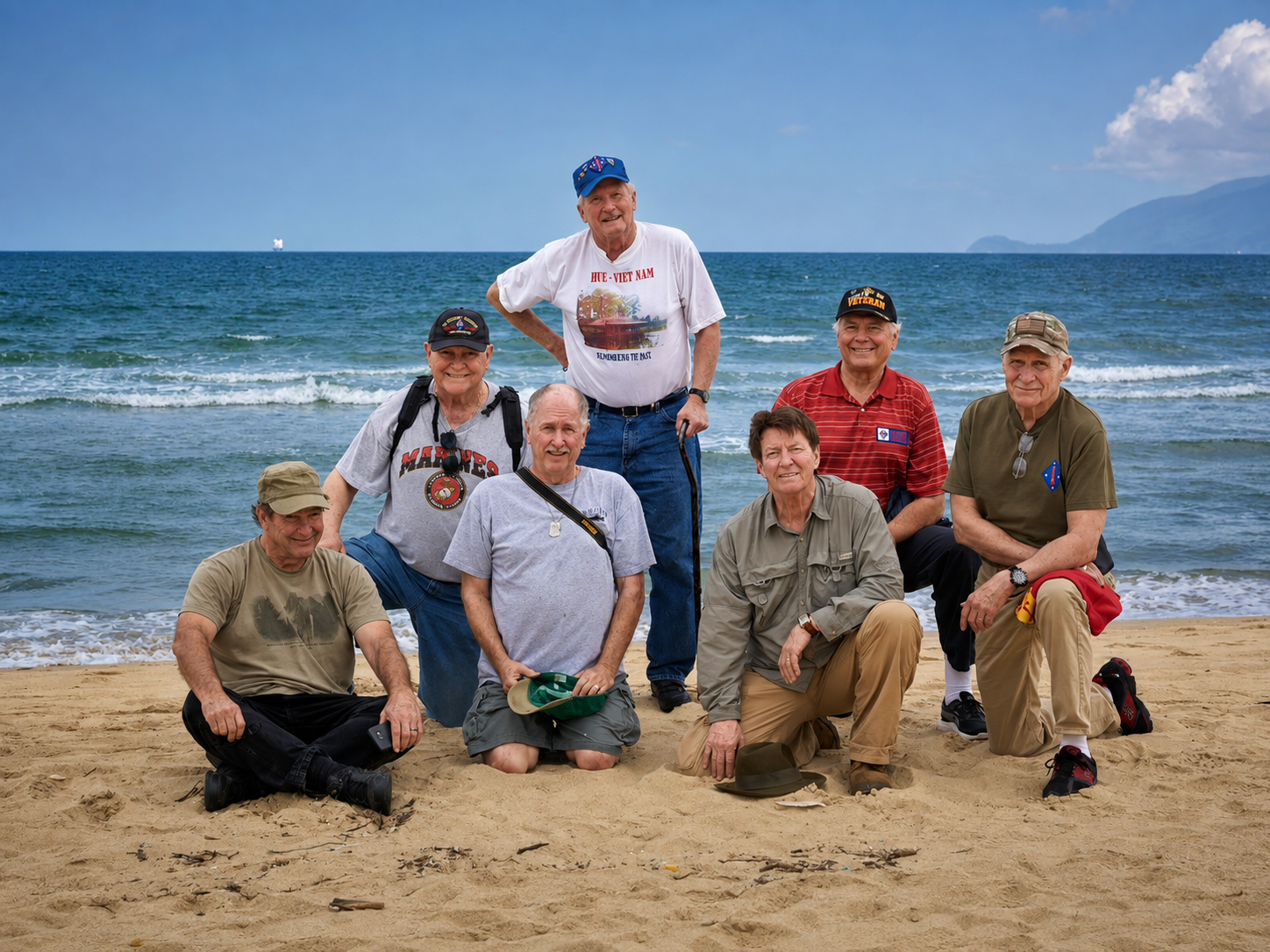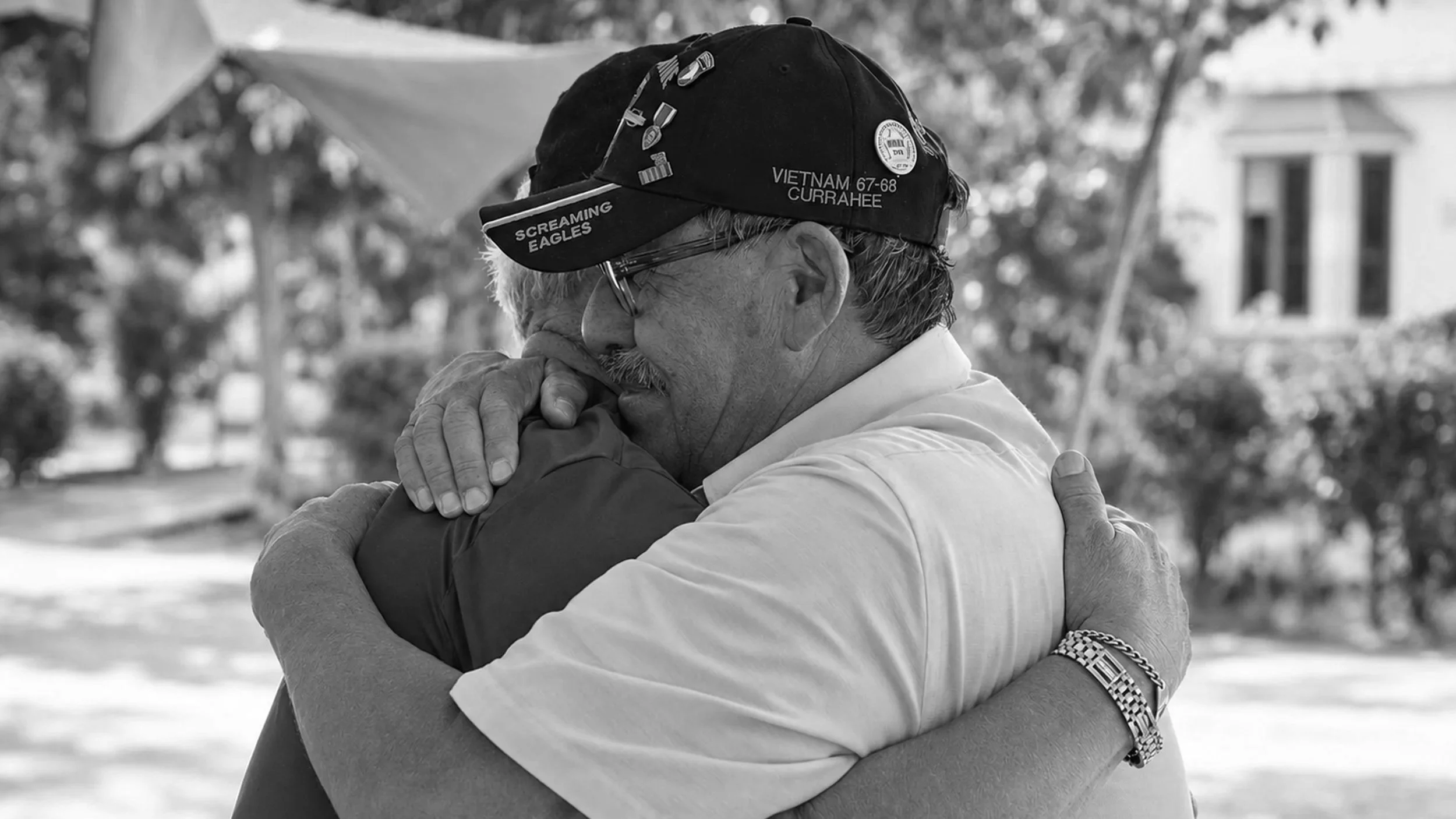
“HONORING THOSE WHO SERVED, THOSE WHO WERE LOST, AND THOSE WHO HAVE CARRIED THE CONSEQUENCES OF WAR FOR A LIFETIME.”
The War in Vietnam called upon men and women to serve under circumstances that would shape the course of their lives. Their courage, sacrifice, loyalty, and endurance deserve more than remembrance. They deserve the enduring respect of the generations that followed.
WHY RETURN
Return to Vietnam creates a dignified pathway back.
For many veterans, the war did not end when they came home. Its memories, losses, friendships, and wounds remained with them long after the final battle. Returning to Vietnam is not an attempt to revisit war. It is an opportunity to honor service, confront memory with dignity, remember those who never returned, and stand once more upon the ground where lives were forever changed. For some, the return may also create space for understanding, reconciliation, healing, and a measure of peace.
THE CONSEQUENCES OF WAR
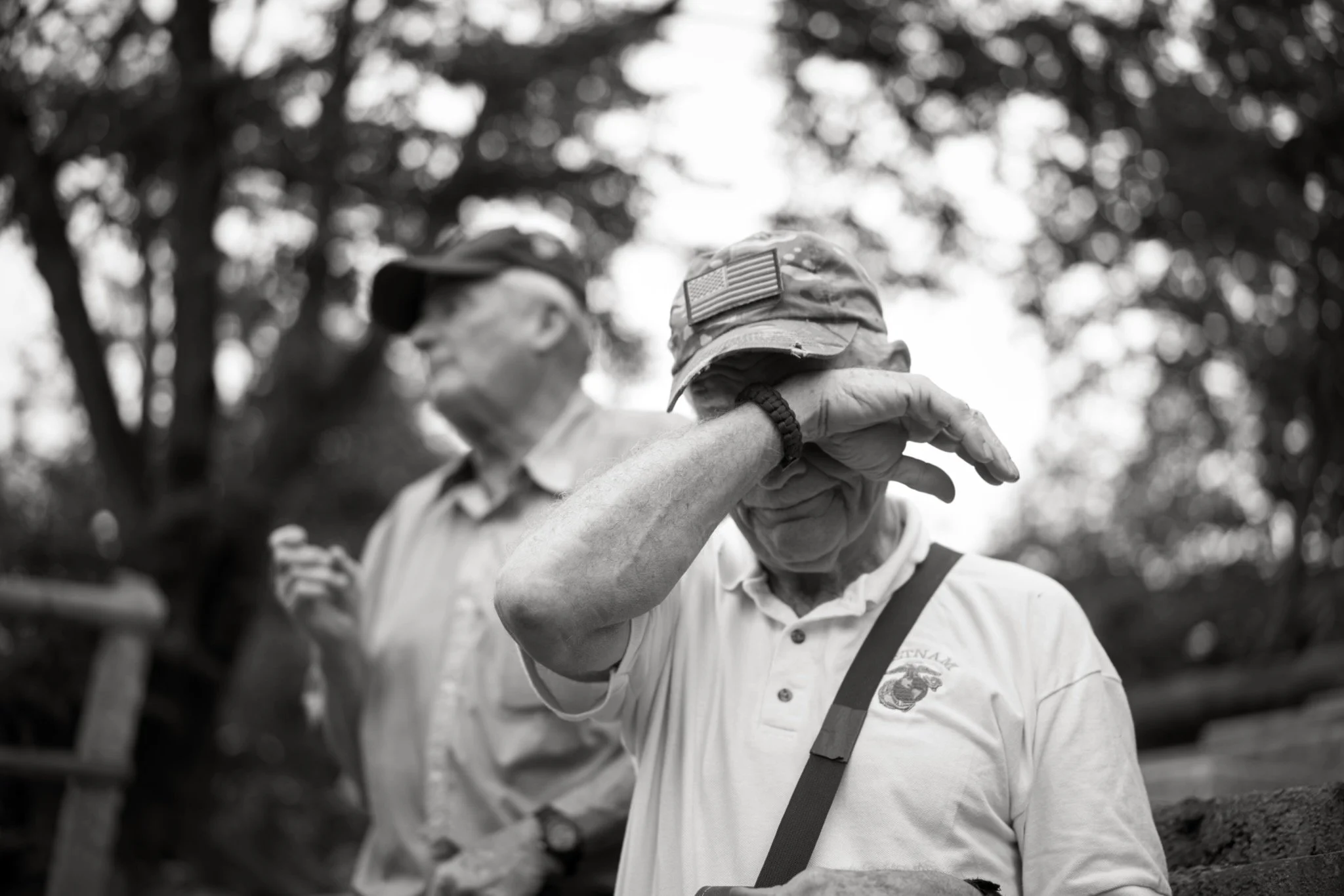
War reaches far beyond the battlefield. Its consequences are carried by those who fought, those who waited at home, families who lived with its aftermath, communities transformed by conflict, and generations who inherited its memory. Decades later, those consequences remain part of the human story of Vietnam. Acknowledging them does not diminish service or sacrifice. It gives fuller meaning to both.
THIS RETURN BELONGS TO THEM
Sứ mệnh này thuộc về tất cả những người có cuộc đời bị định hình bởi Cuộc chiến Việt Nam—những người đã phục vụ, những người trở về, những người không trở về, và cả các gia đình cùng cộng đồng mang hậu quả qua nhiều thế hệ. Với nhiều người, trải nghiệm ấy vẫn luôn là chuyện riêng suốt hàng thập kỷ: ký ức về đồng đội, về nơi chốn, về những mất mát và những câu hỏi không bao giờ thực sự khép lại. Cuộc trở về này thừa nhận rằng lịch sử trước hết thuộc về những người đã sống qua nó. Nó trao cho cựu chiến binh cơ hội trở lại theo cách của chính họ, tưởng niệm những người đã đứng bên cạnh, suy ngẫm về những gì đã chịu đựng, và đảm bảo rằng trải nghiệm của họ được ghi nhớ với phẩm giá, lòng tôn trọng và sự thấu hiểu.



BUILT AROUND THE VETERAN
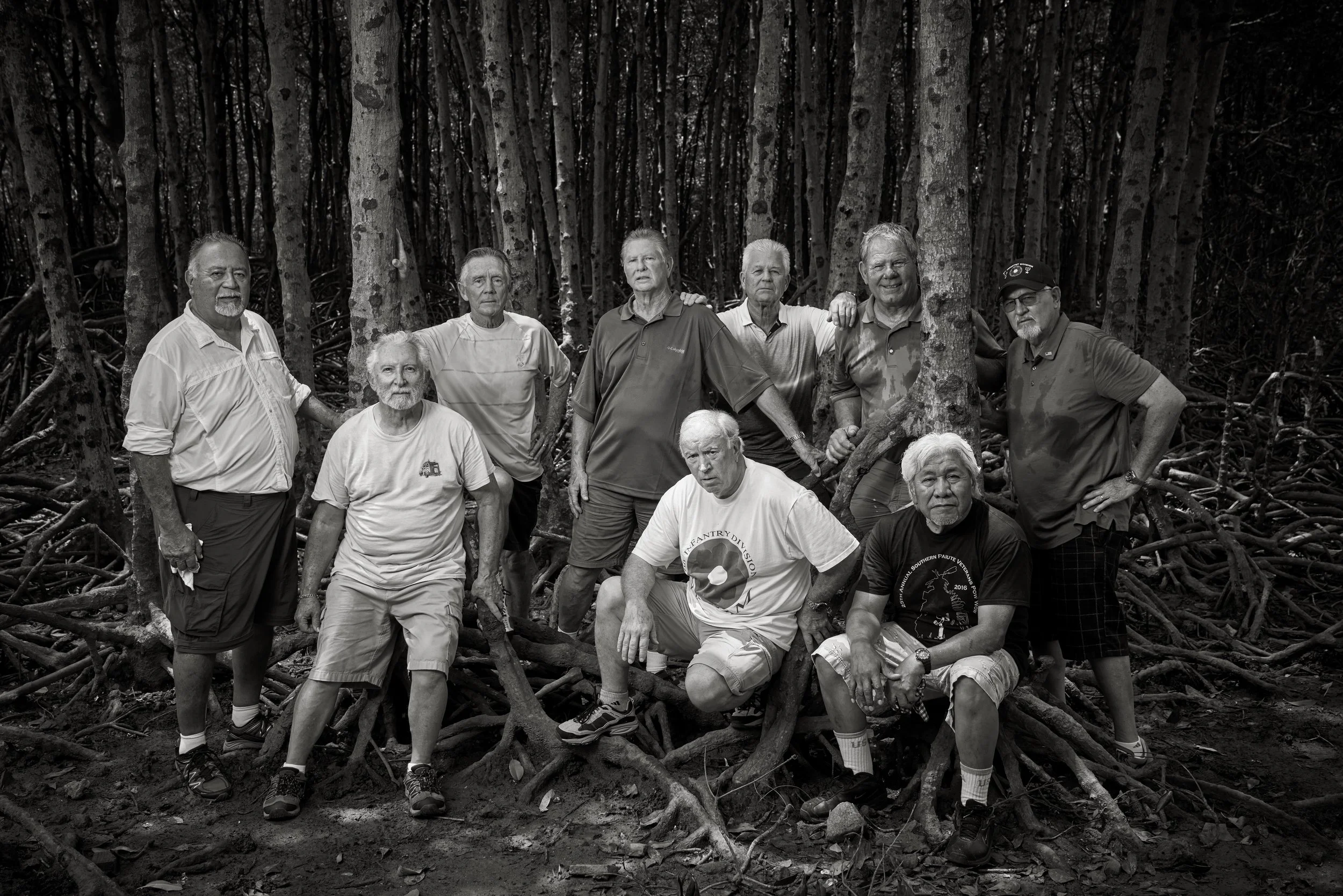
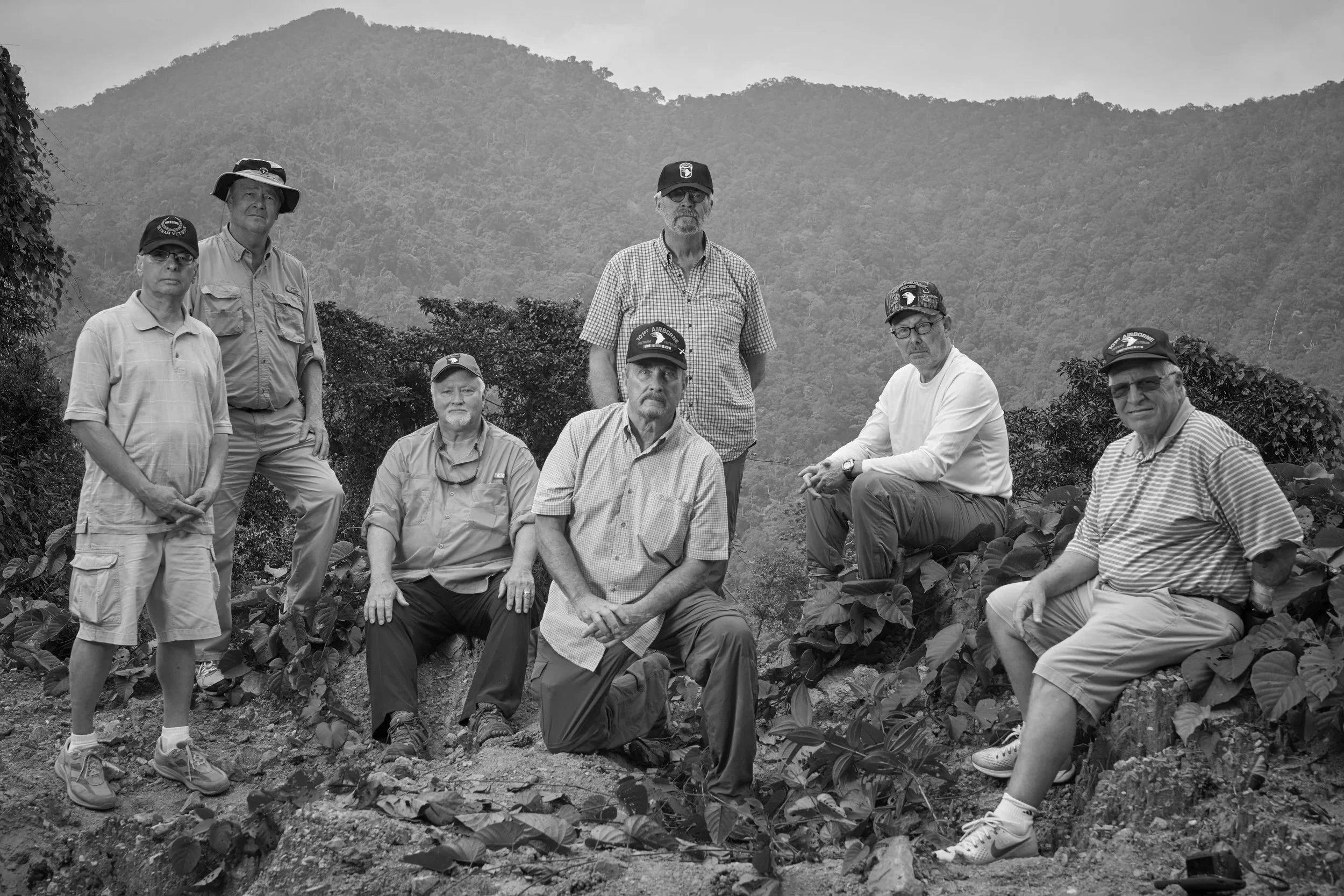
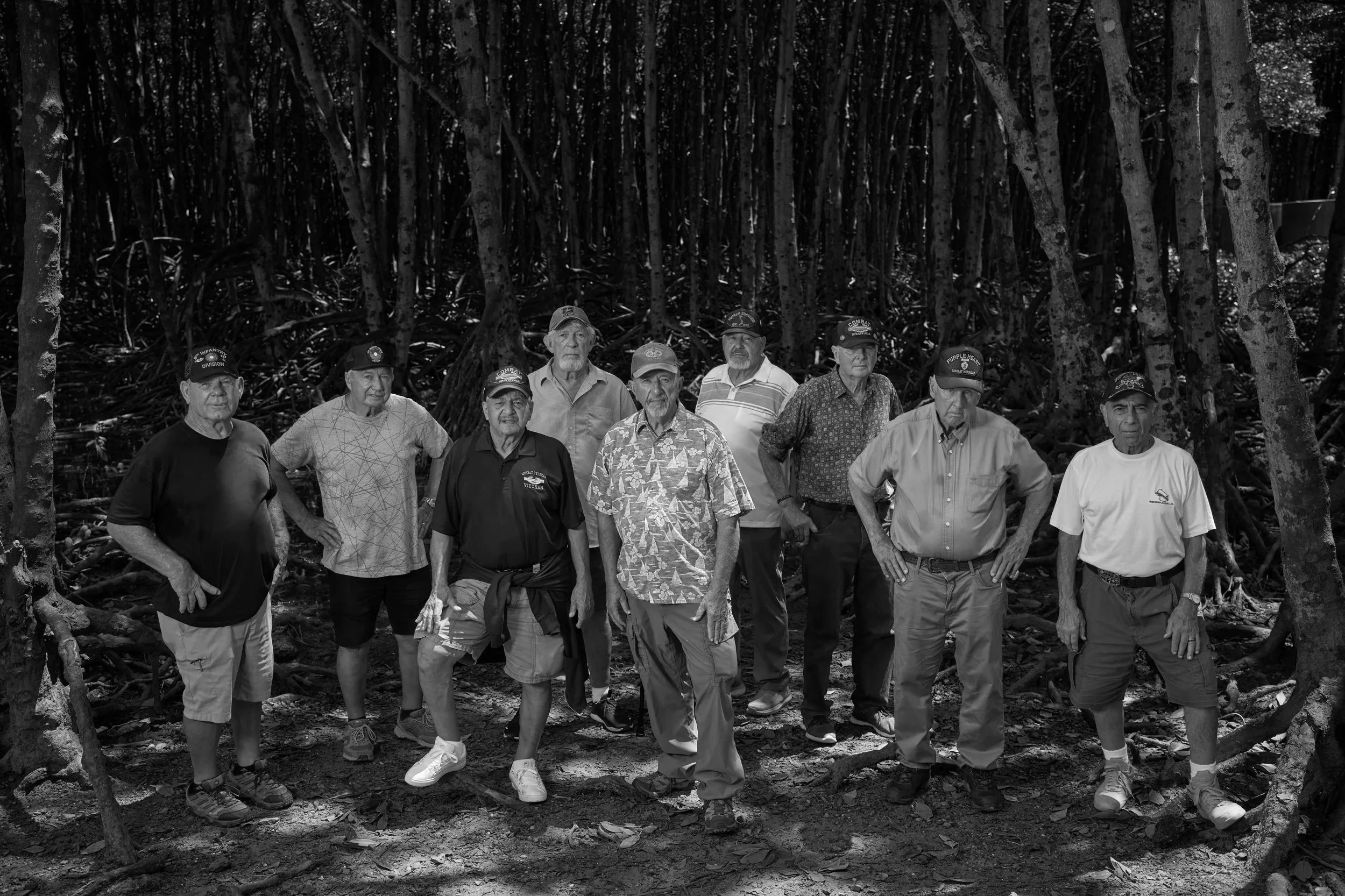
Every veteran carries a different history, shaped by service, unit, comrades, places, losses, and memories that remained long after leaving Vietnam. No two veterans experienced the war in the same way, and no two returns should be the same. Each journey is therefore built around the individual veteran and what matters most to them. Where possible, the return reconnects veterans with the landscapes of their service and the places that shaped their experience, while creating time for remembrance, reflection, conversation, and personal understanding. Nothing is prescribed. The veteran’s story, memories, priorities, and sense of purpose define the return.
THE MISSION ARC
Preparation — Every return begins before arrival. Service records, unit histories, significant locations, archival research, and veteran interviews establish the historical foundation of the mission.
Return — Veterans return to the ground connected to their service—the places where they served, fought, lost friends, formed bonds, and experienced events that remained with them long after leaving Vietnam.
Remembrance — The return creates space to honor fallen comrades and recognize the lives, service, and sacrifice carried forward in memory.
Testimony — Firsthand accounts are preserved while veterans stand again in the places connected to their experiences, joining personal memory with historical place and record.
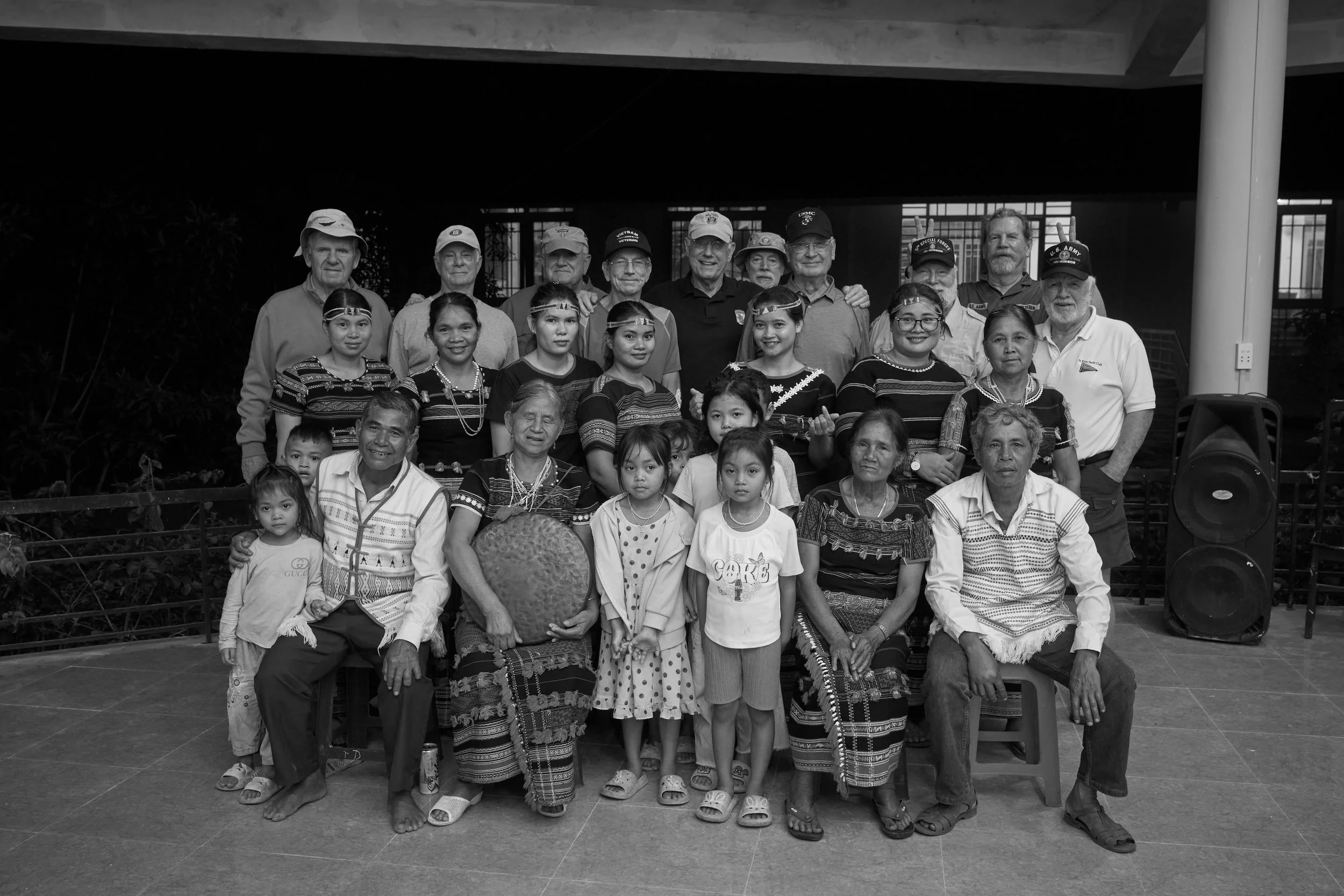
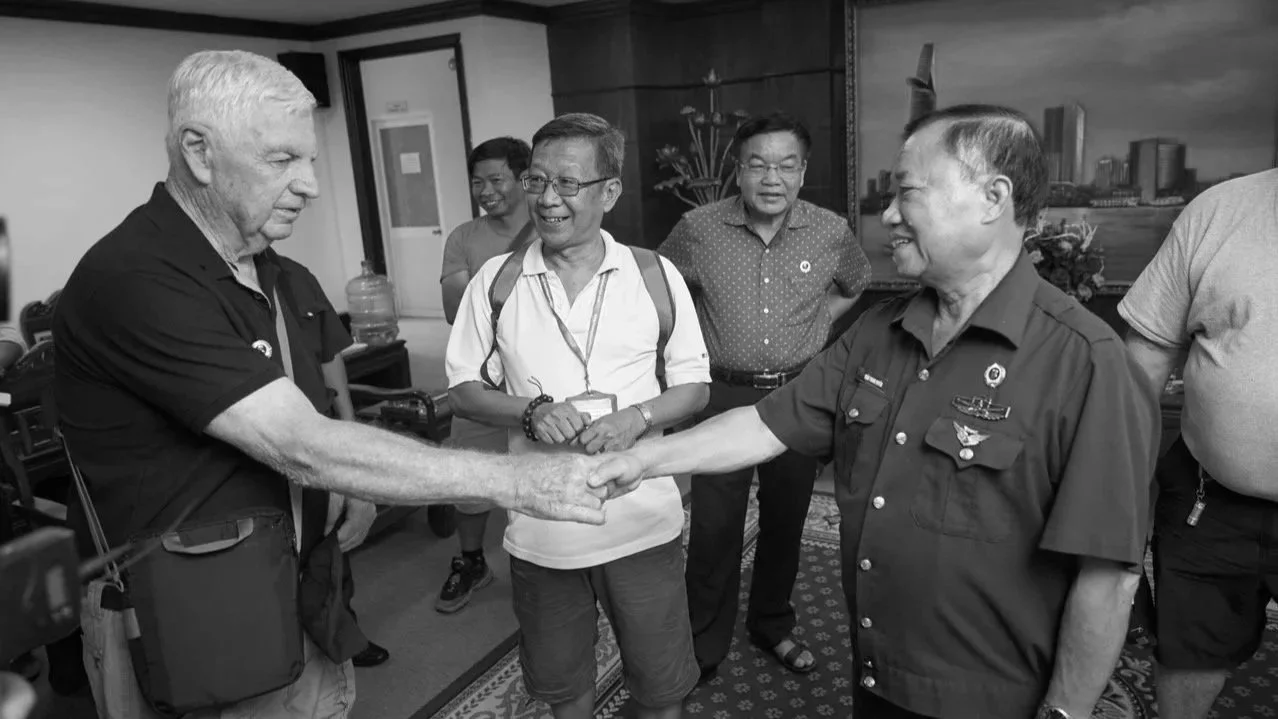
Reconciliation — Where appropriate, veterans may engage with former adversaries and communities once separated by war, creating opportunities for respectful dialogue, recognition, and greater understanding.
Legacy — The return does not end when the mission concludes. Testimony, documentation, historical research, and the experiences preserved through each mission become part of an enduring record for families, researchers, educators, and generations yet to come.
PROGRAM ONE
UNIT-BASED RETURNS
RETURNING TOGETHER — Unit-based missions are designed for veterans connected by a shared unit, campaign, or area of operation. Each return is developed around the unit’s history, movements, significant locations, losses, and collective experience. Returning together allows veterans to honor those absent from their formation, reconnect through shared memory, preserve their unit’s history, and stand beside one another again on the ground that shaped their lives.
PROGRAM TWO
INDIVIDUAL VETERAN RETURNS
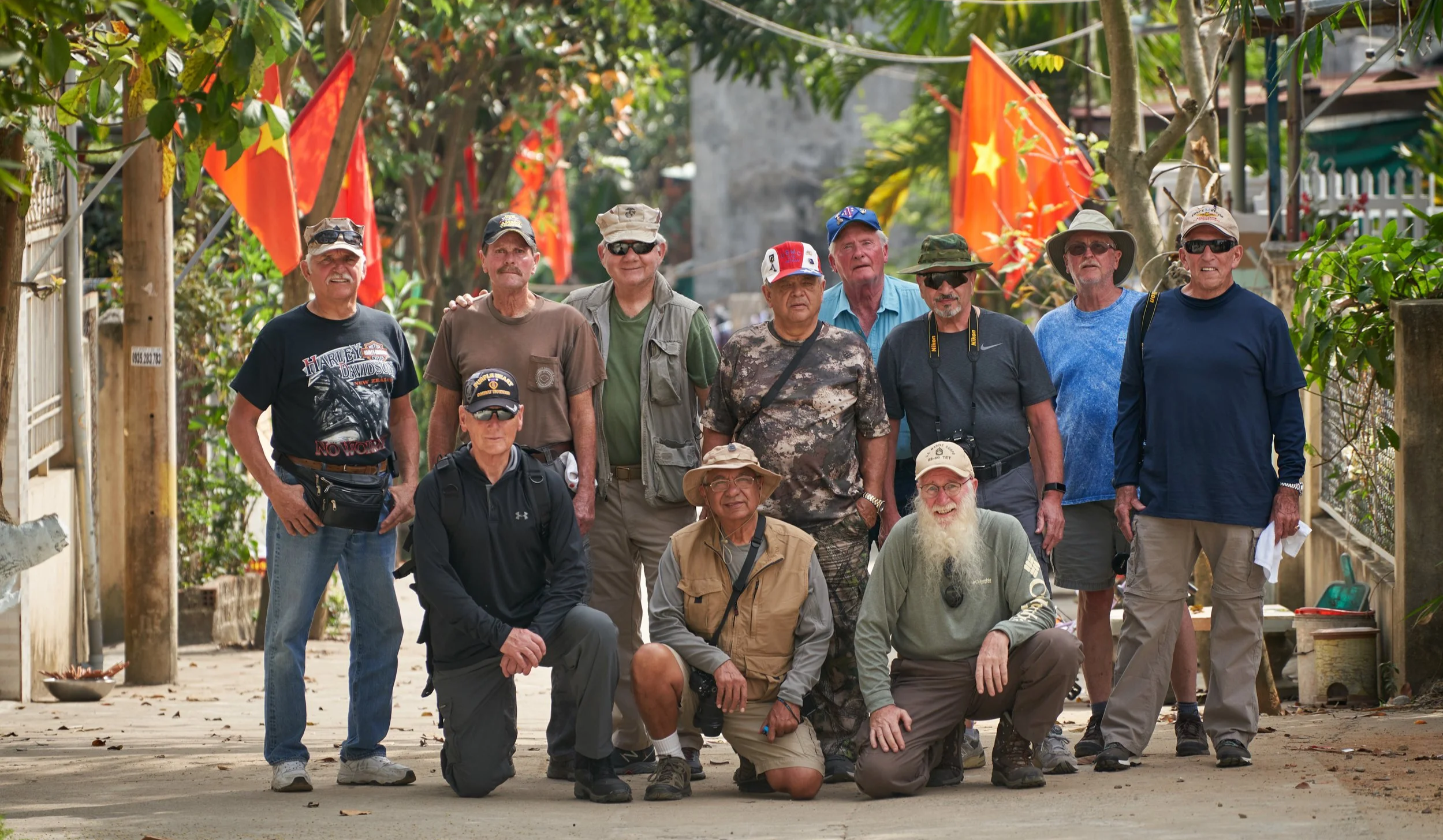
PATH BACK — Not every veteran remains connected to those with whom they served. Time, distance, illness, and loss may make returning with an original unit impossible. The significance of returning, however, remains. Individual Veteran Returns bring together veterans whose service histories, geographic connections, and reasons for returning can be responsibly incorporated into a shared mission. They may arrive from different units and backgrounds, but they return alongside others who understand service, sacrifice, remembrance, and the enduring weight of war.
PROGRAM THREE
CONNECTING GENERATIONS
Selected veterans of later conflicts may accompany Vietnam veterans through Connecting Generations. Their role is not to replace or diminish the bonds of the Vietnam generation, but to stand beside them with respect and an understanding informed by their own military service. Through conversation, reflection, and shared experience, firsthand testimony passes from one generation of veterans to another. The Vietnam veteran remains at the center of the mission. Those who accompany them accept a corresponding responsibility: to listen, to understand, and to help carry that history forward faithfully.