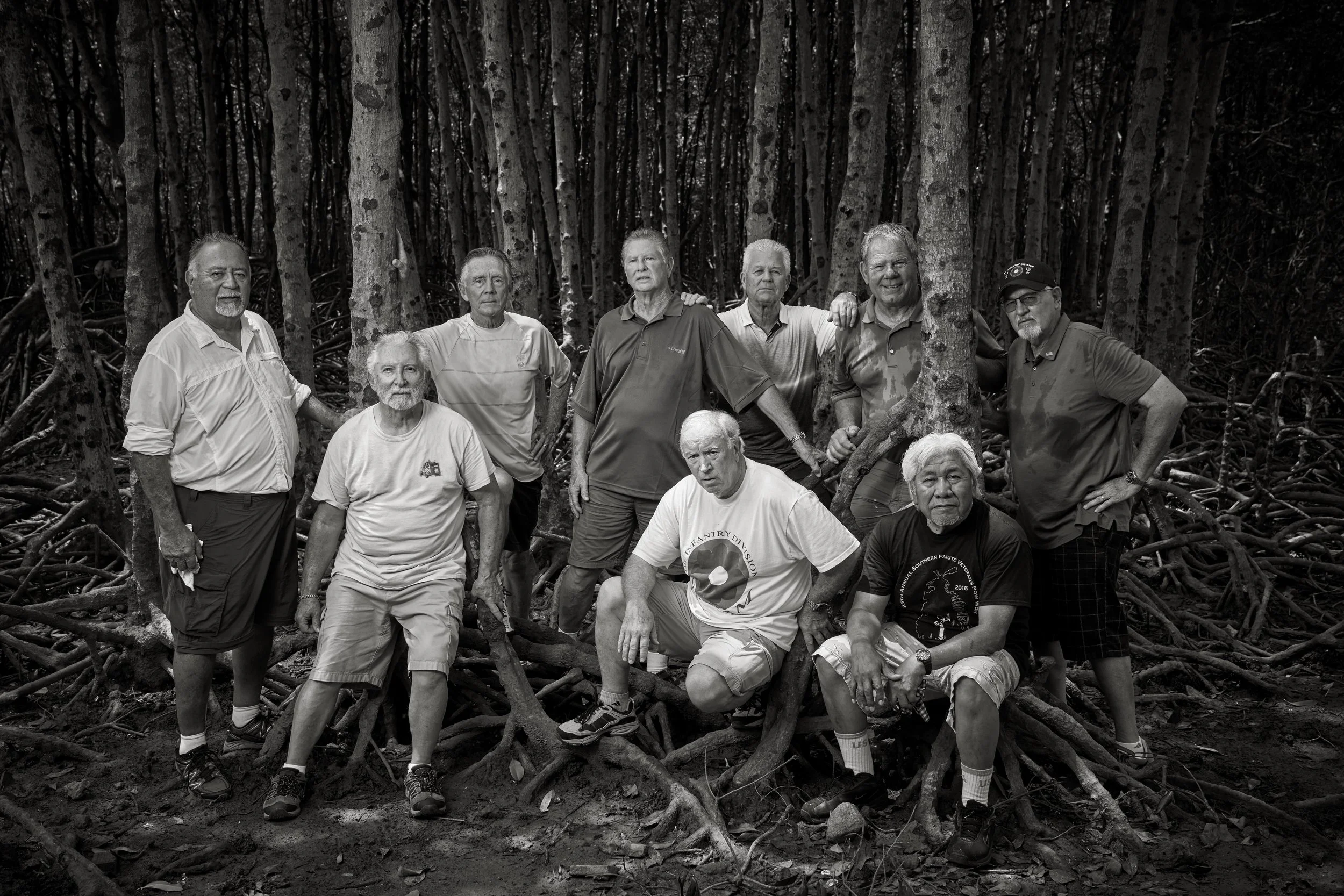
“THE HUMAN LEGACY OF WAR EXTENDS BEYOND BORDERS, GENERATIONS, AND THE MOMENT CONFLICT ENDS..”
The War in Vietnam shaped millions of lives across nations, communities, and generations. Its consequences did not conclude with the end of hostilities. They endured through memory, loss, displacement, environmental harm, family experience, unanswered questions, and the long process of understanding what war leaves behind. Vietnam Inc. exists within that unfinished human landscape.
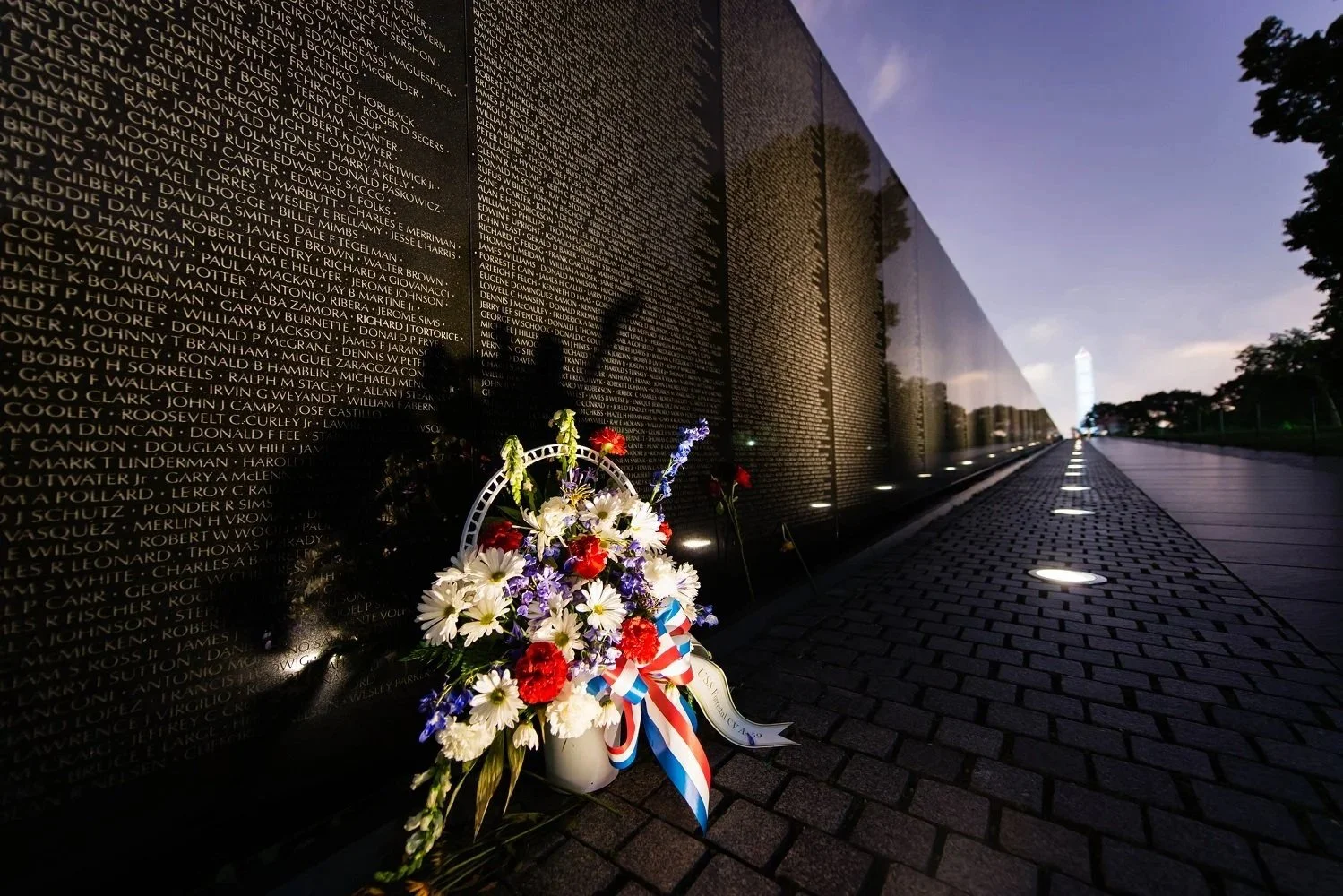
REMEMBRANCE
For millions of Americans, Vietnam’s end didn’t end their military service. Veterans returned with memories of their comrades, places that shaped them, and unspoken experiences. Return to Vietnam allows them to stand on that ground with dignity, fellow veterans, and on their terms, preserving their memories. Remembrance gives the work its moral foundation, ensuring that those who served, lost, and the communities shaped by the war remain visible in history. Through return, commemoration, reflection, and preserving names and stories, the initiative honors sacrifice without reducing lives to statistics or abstraction. Remembrance establishes that reconciliation begins by acknowledging the past with dignity, accuracy, and respect.
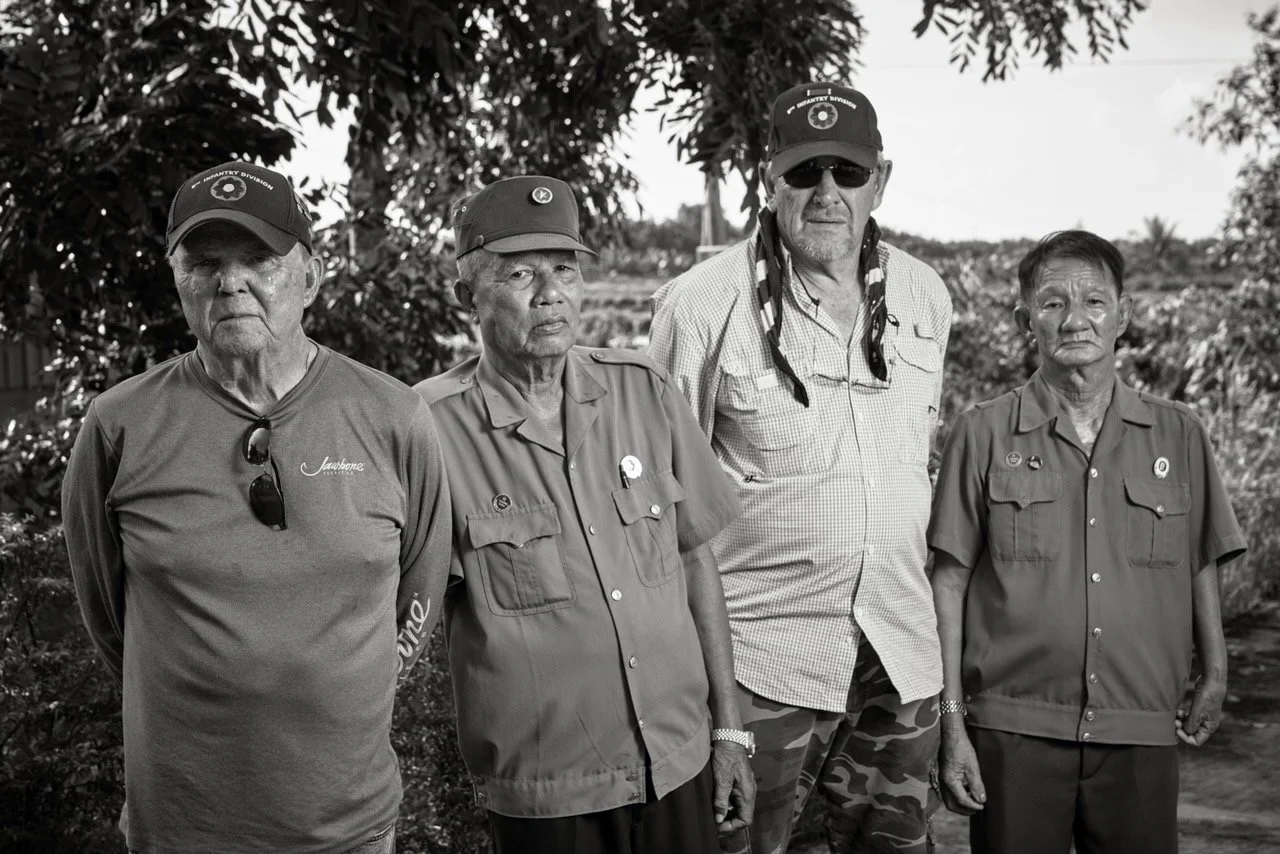
RETURN TO VIETNAM
Returning veterans to the landscapes where they served, fought, and lost friends creates opportunities for reflection that archives and historical accounts alone cannot replicate. These places hold different meanings for former adversaries and local communities, allowing participants to confront memory directly, exchange perspectives, and understand the human complexity of events experienced from opposing sides.
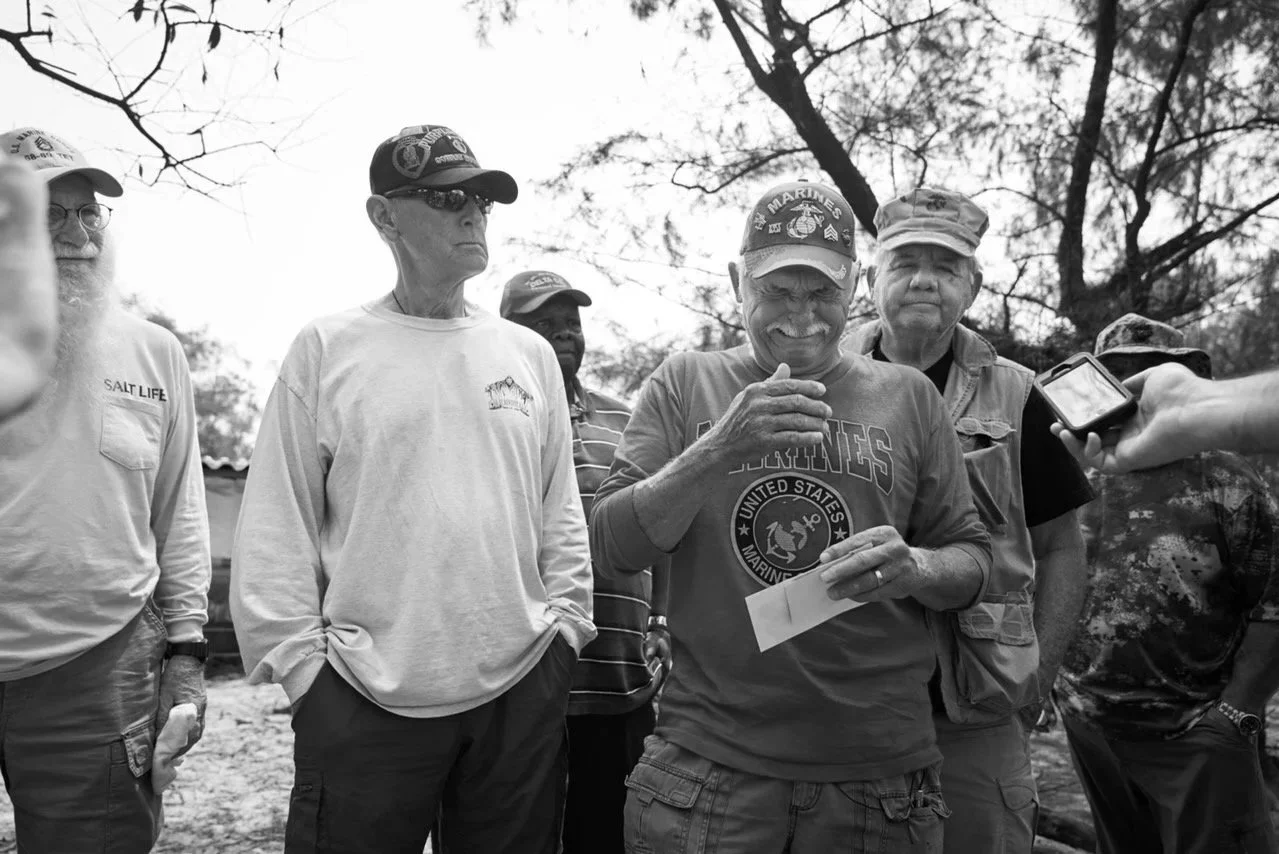
LIVING TESTIMONY
Testimony preserves living history before it is lost. Veterans, former adversaries, families, and communities carry firsthand knowledge that may exist nowhere else in the historical record. By creating opportunities for these experiences to be spoken, heard, documented, and preserved, the initiative protects individual memory while contributing to a more complete understanding of the war. Testimony does not seek to produce a single narrative. Its value lies in allowing distinct experiences to remain distinct while ensuring that future generations can encounter history through the voices of those who lived it.

RECONCILIATION
Reconciliation transforms historical encounter into human recognition. It creates carefully considered opportunities for former adversaries, veterans, families, and communities to meet across divisions created by war without requiring agreement, forgetting, or the surrender of memory. Through dialogue, shared remembrance, listening, and personal exchange, participants are able to acknowledge one another as individuals whose lives were shaped by the same conflict in profoundly different ways. Reconciliation does not erase history. It demonstrates that historical division does not have to result in permanent human separation.
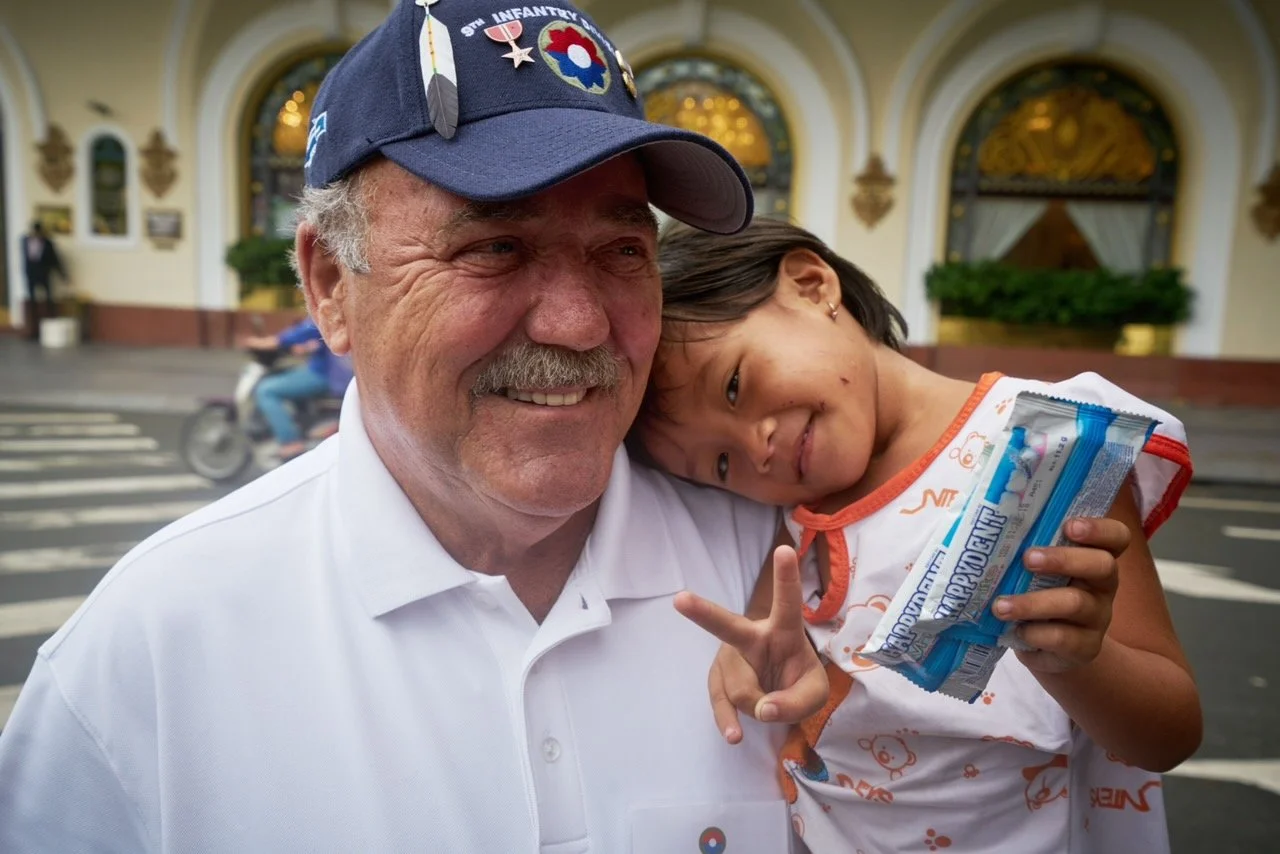
THE LEGACY
Legacy ensures that the meaning of these encounters extends beyond those who participate in them. The stories preserved, memories shared, relationships formed, and acts of reconciliation witnessed become part of an intergenerational record for families, educators, historians, and future communities. By carrying firsthand experience forward, the initiative helps prevent the war from becoming understood only through military operations, political decisions, or national narratives. Legacy preserves the human record and gives future generations the opportunity to learn not only what happened, but what those experiences meant to the people who lived them.

LASTING COMMITMENT TO PEACE
Peace is the larger purpose toward which the entire process points. The initiative does not suggest that remembrance, return, testimony, or reconciliation can undo the consequences of war. It demonstrates instead that societies and individuals can choose how those consequences are carried forward. By preserving memory honestly, creating space for former adversaries to meet, and ensuring that future generations inherit a deeper understanding of the human cost of conflict, Return to Vietnam seeks to transform historical experience into a lasting commitment to dialogue, dignity, mutual understanding, and the prevention of future division.