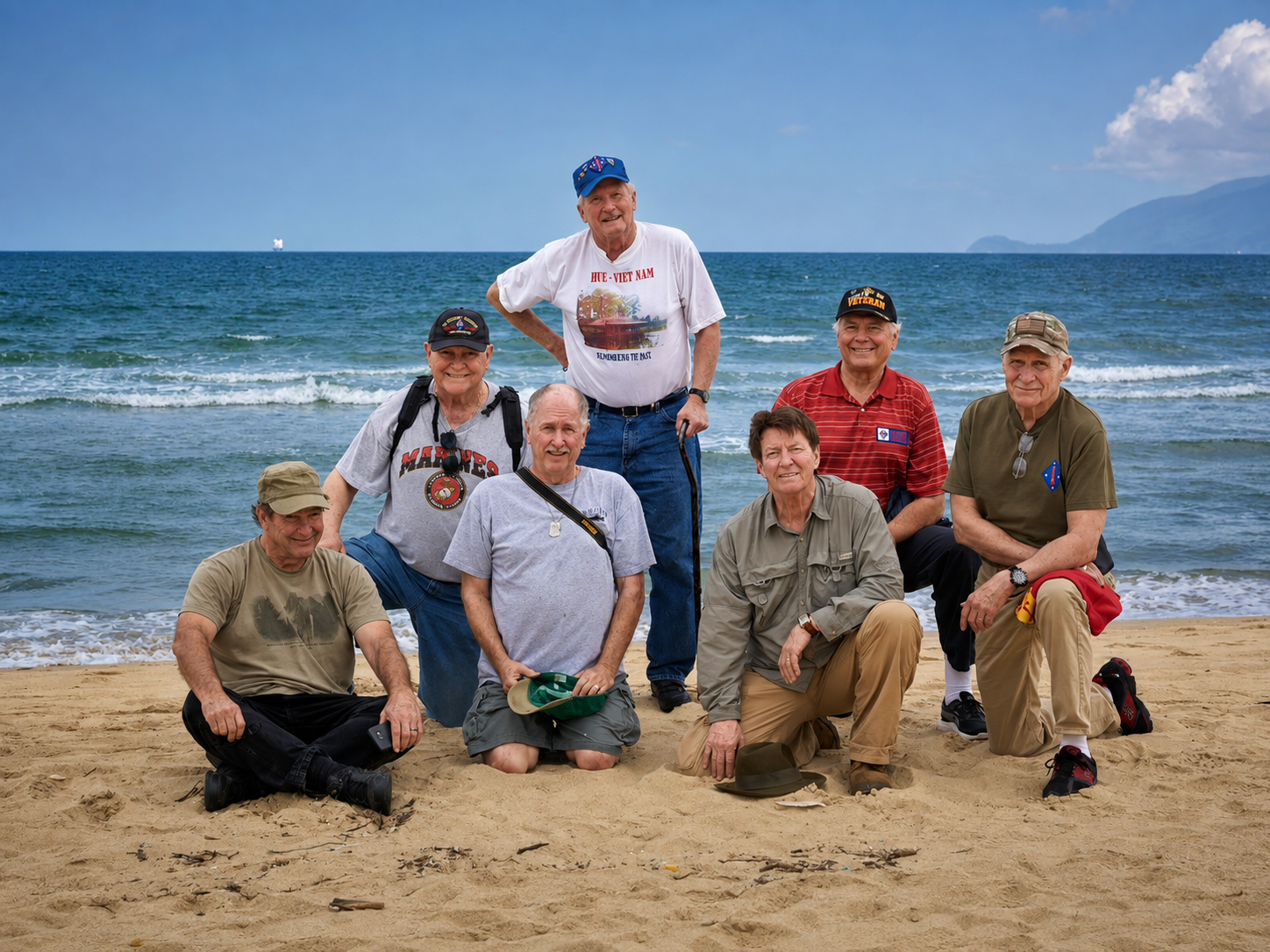
“WE RETURN TO VIETNAM FOR THE BROTHERS LEFT BEHIND—AND THE PEACE WE HAVE WAITED A LIFETIME TO FIND.”
- Gary MAIBACH, Vietnam Veteran
Returning to Vietnam
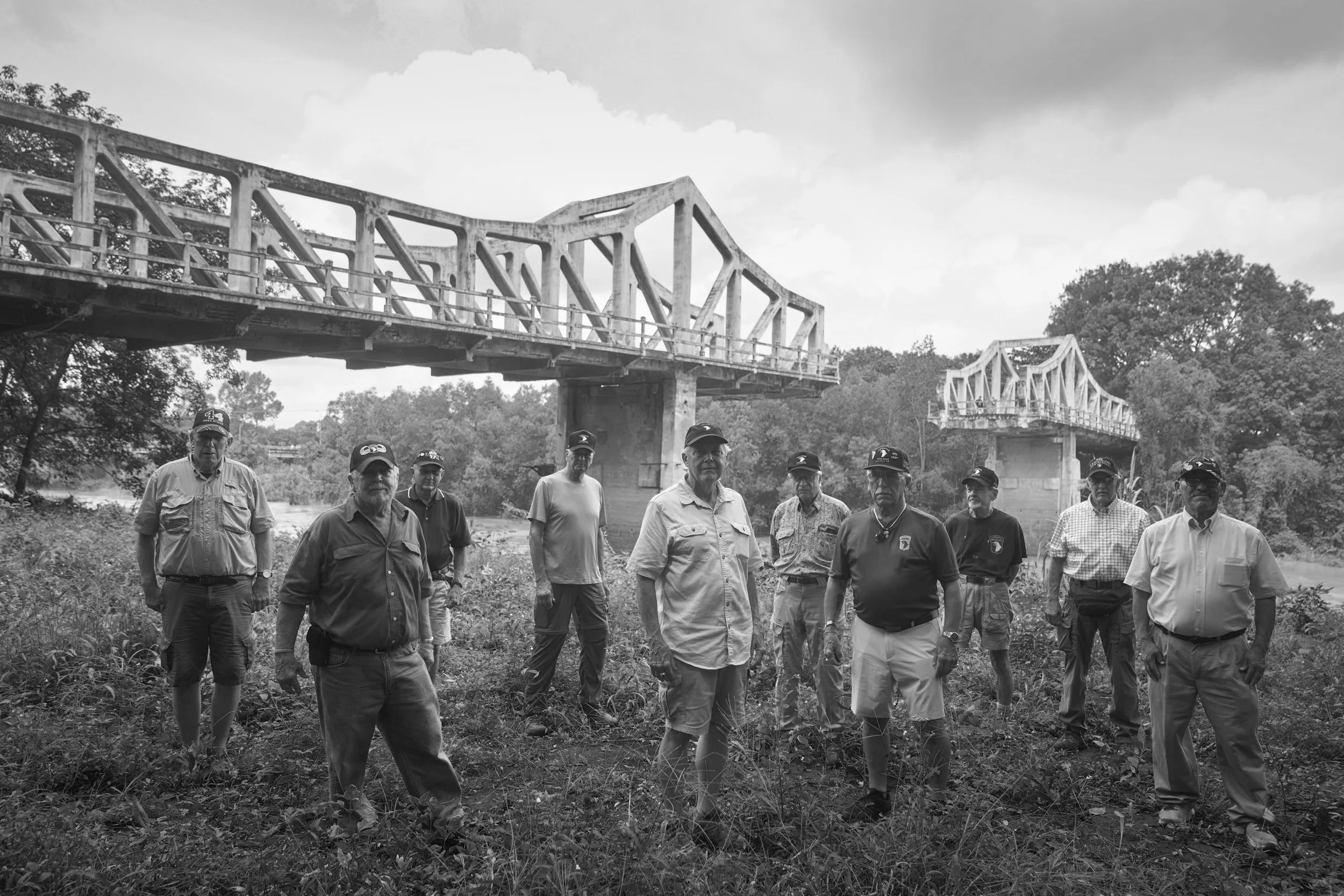
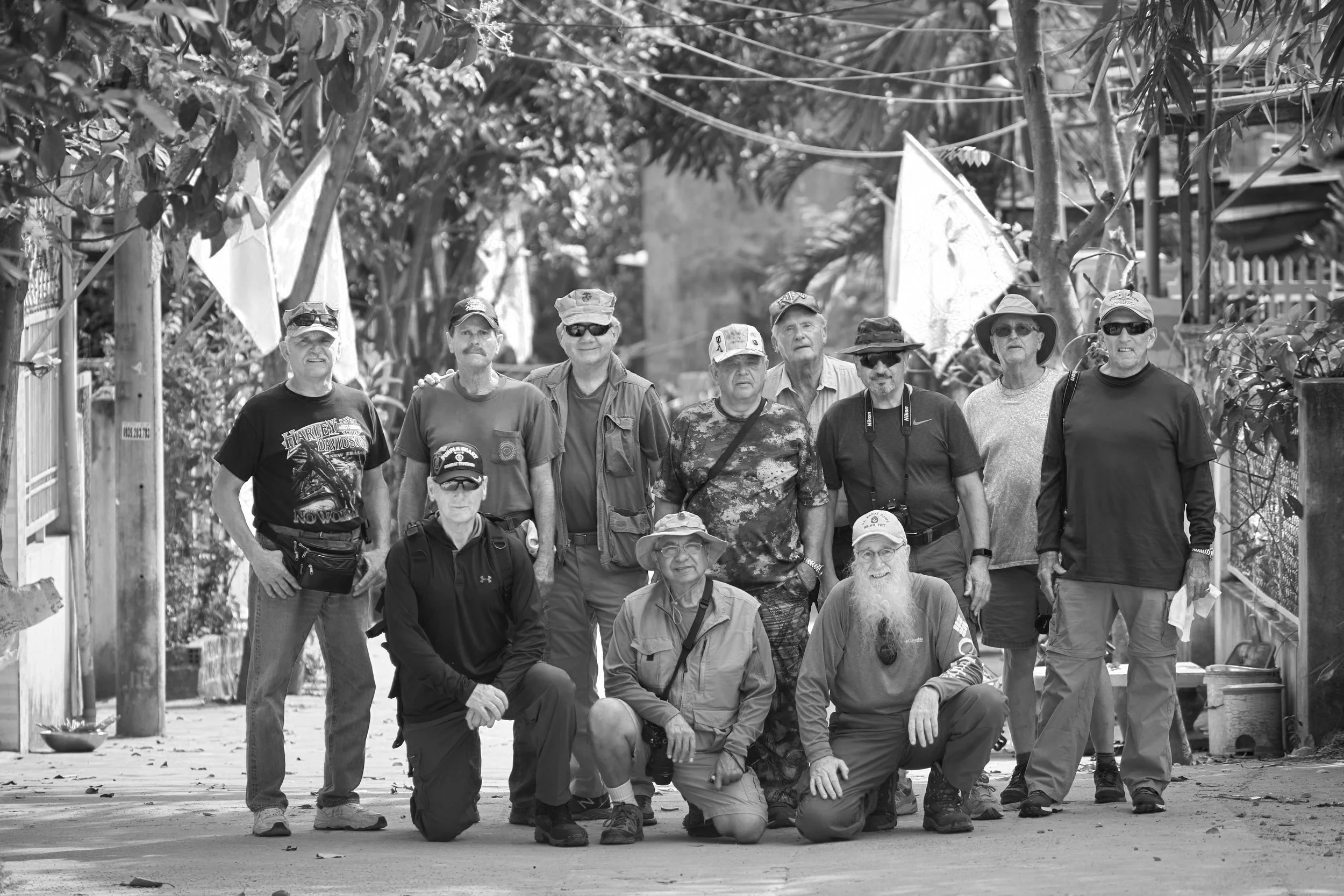
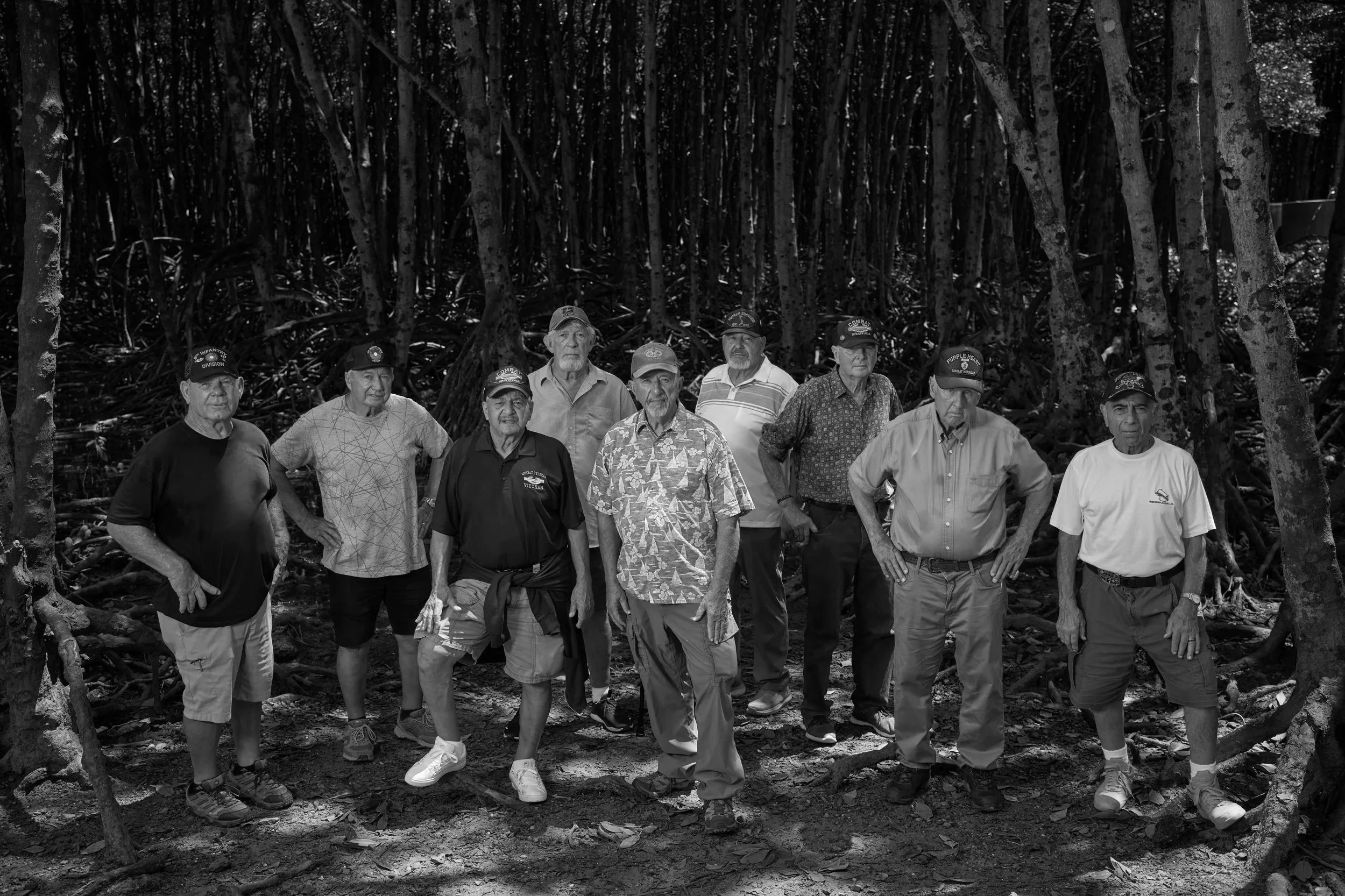
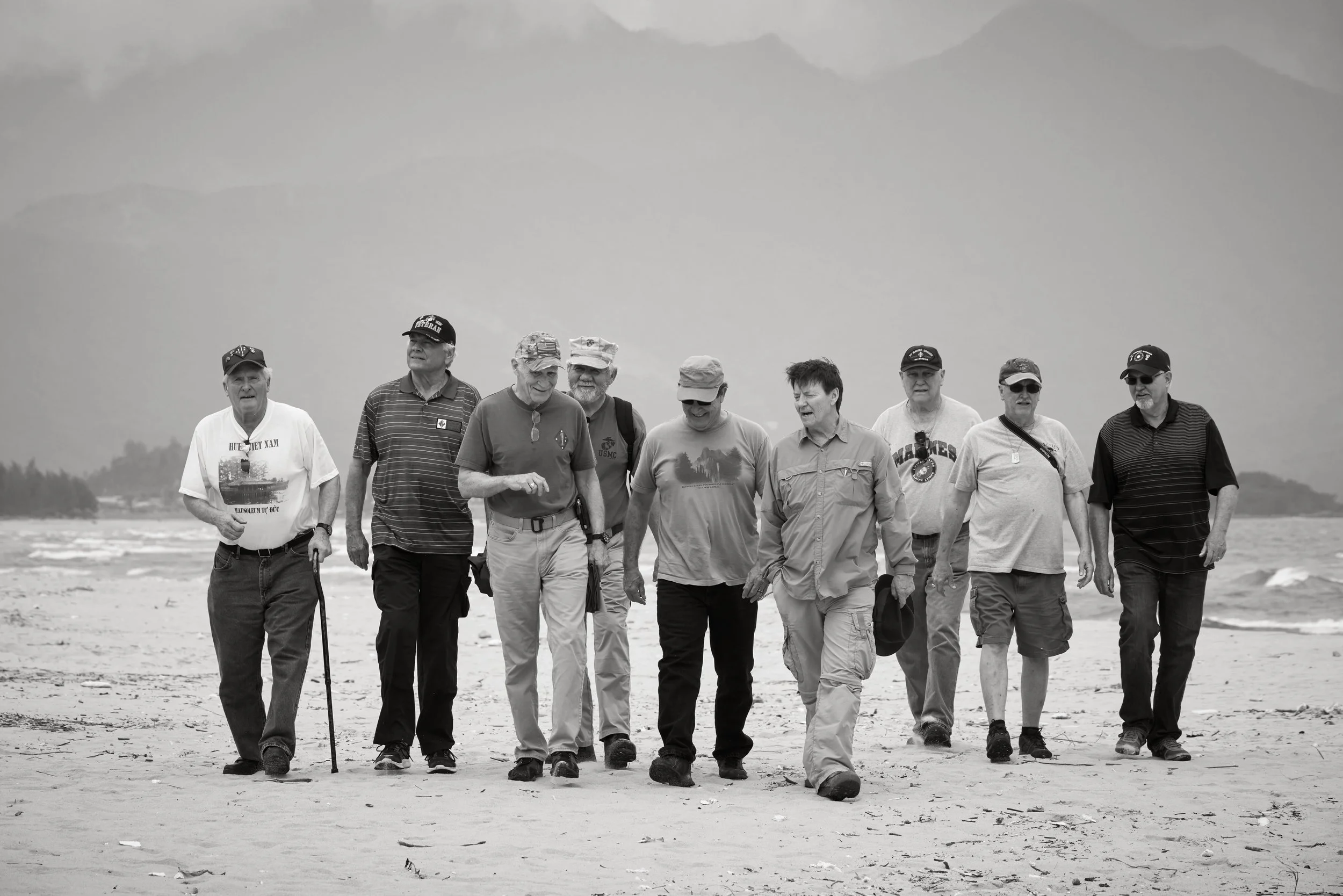
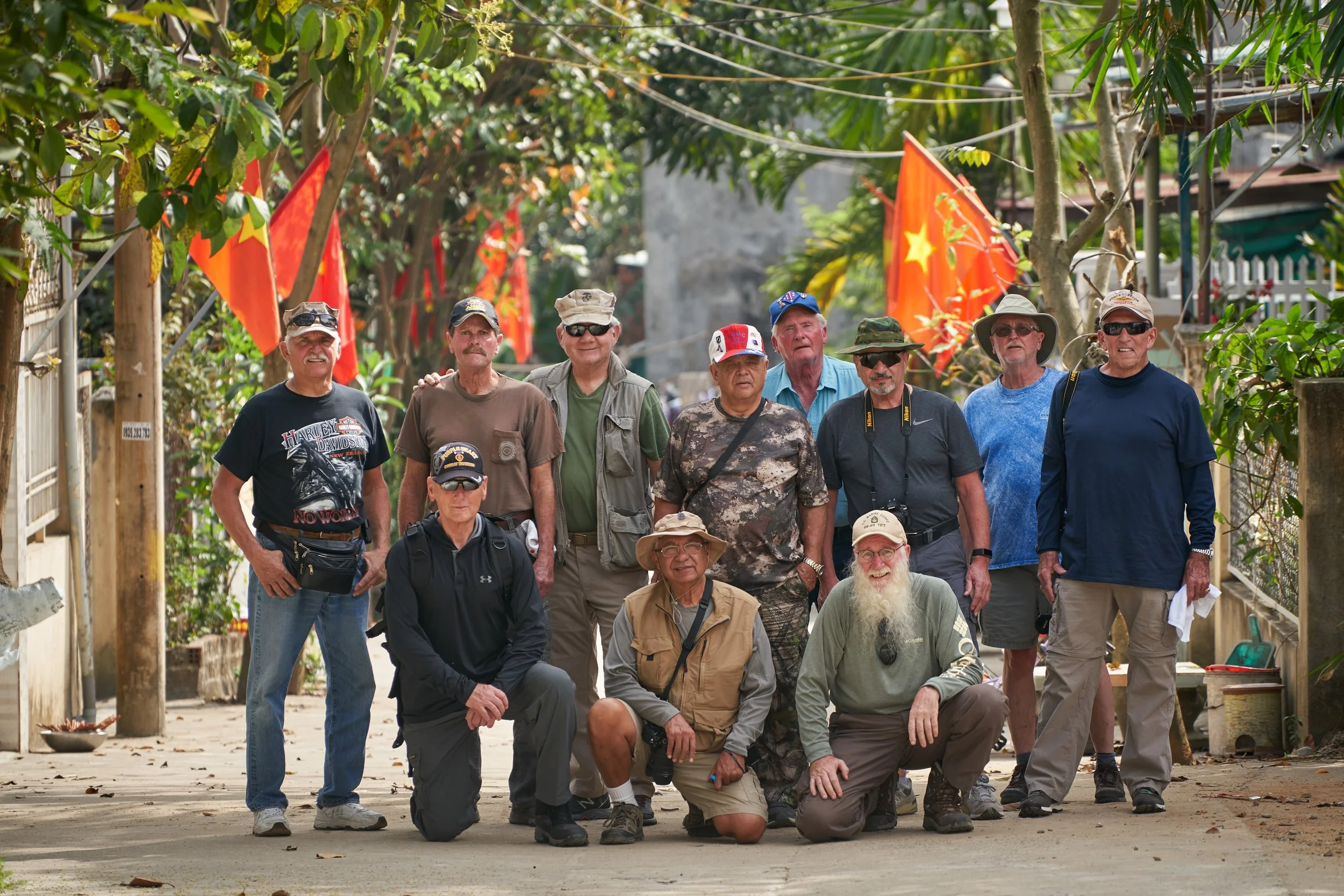
A Return to Vietnam journey is not recreational travel. It is a carefully structured mission shaped by the history, service, and personal experiences of each participating veteran. Veterans return to regions associated with combat, loss, survival, and sacrifice. They revisit places connected to their units, honor those who never came home, and reflect upon experiences carried with them for decades. The purpose is not to recreate the past. It is to meet it with truth, dignity, remembrance, and the support of those who understand.




The Responsibility
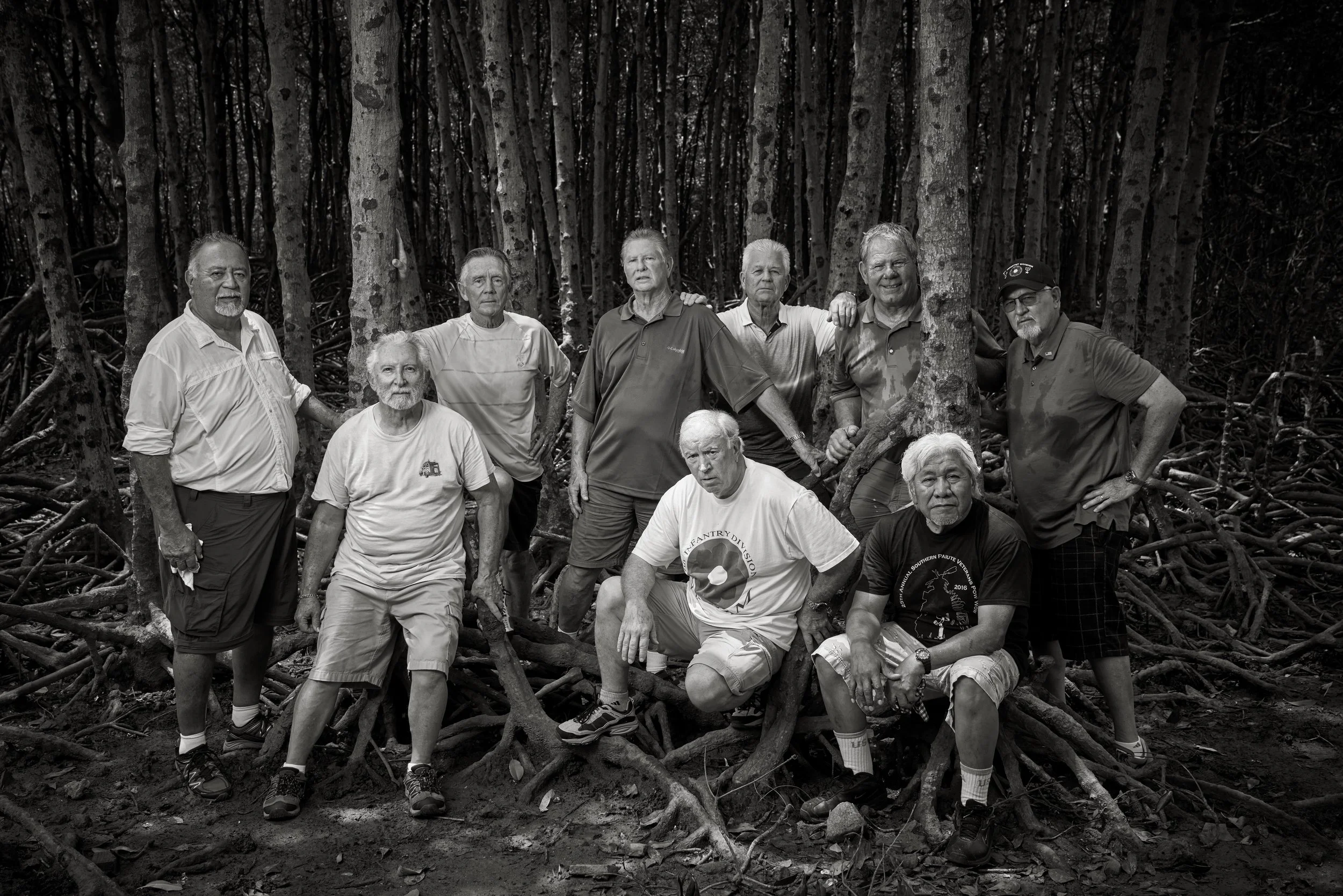
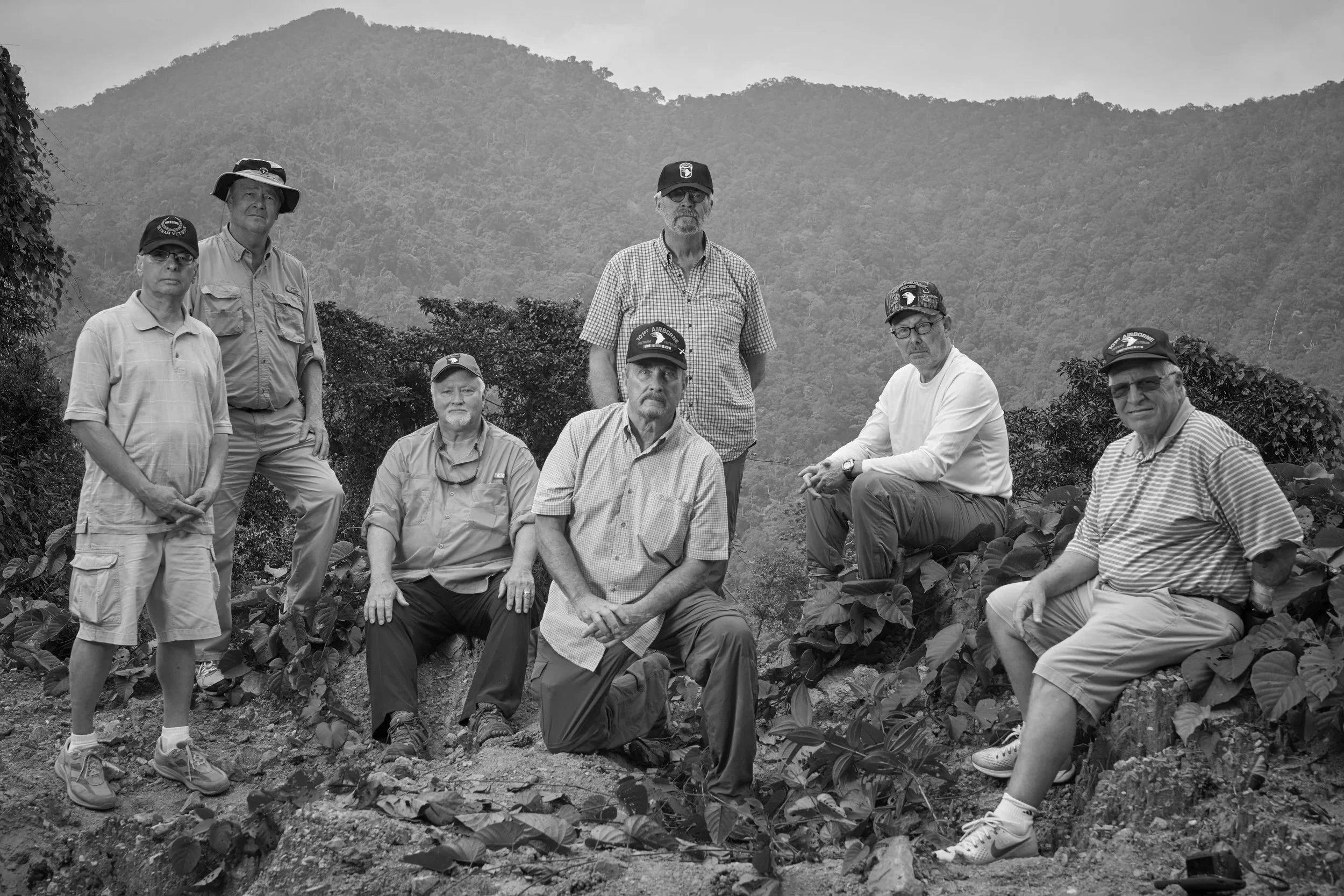
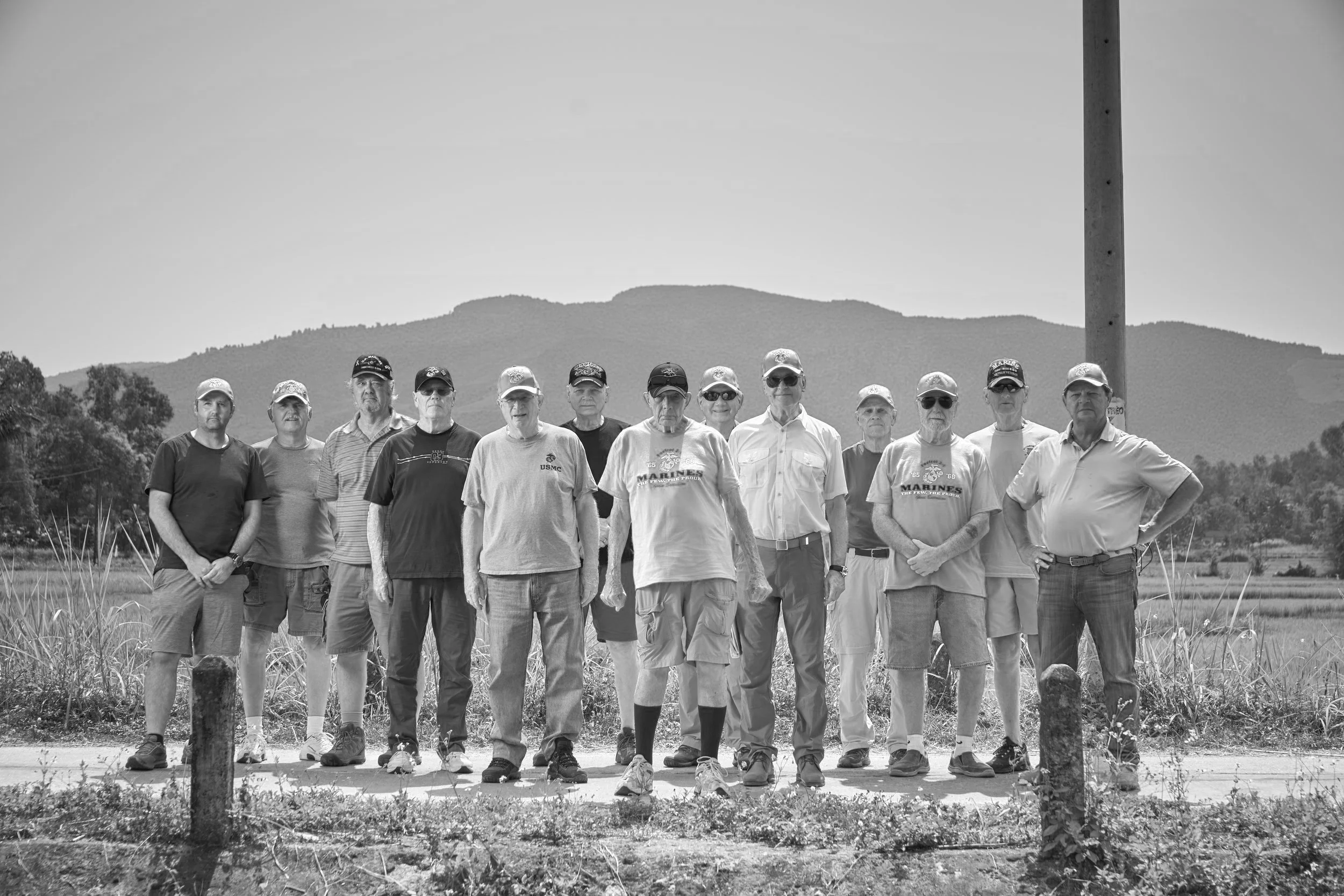
When veterans return, they carry more than their own memories. They carry the names of fallen comrades, the histories of their units, the grief of families, and a responsibility to ensure that those who served are never reduced to statistics or forgotten chapters of history. Returning is therefore more than a personal journey. It is an act of remembrance. By standing again in places marked by service and sacrifice, veterans help preserve firsthand history and give human meaning to events that future generations will otherwise know only through books, photographs, and archives.
The Reflection
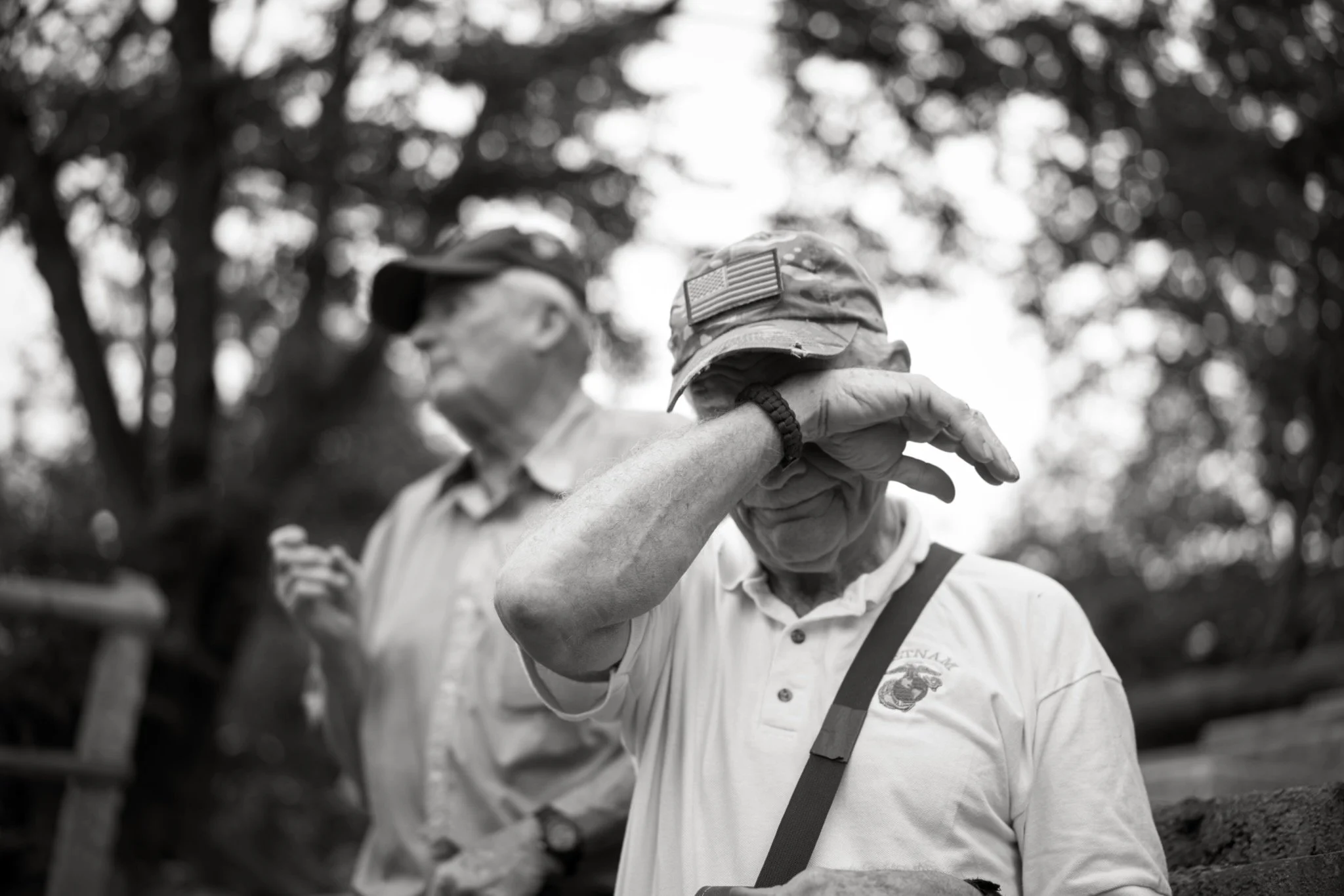
Each journey provides time and space for personal reflection. Veterans may return to a former base, battlefield, village, river, landing zone, hospital, or another place that remained present in memory long after they left Vietnam. Some moments are shared openly. Others remain quiet and deeply personal. There is no single way to experience a return, and no predetermined outcome expected of those who participate. The program does not promise to erase or resolve the past. It provides a dignified setting in which veterans may revisit it, reflect upon its meaning, honor those who were lost, and pursue greater understanding and peace.
PROGRAM ONE
UNIT-BASED RETURN
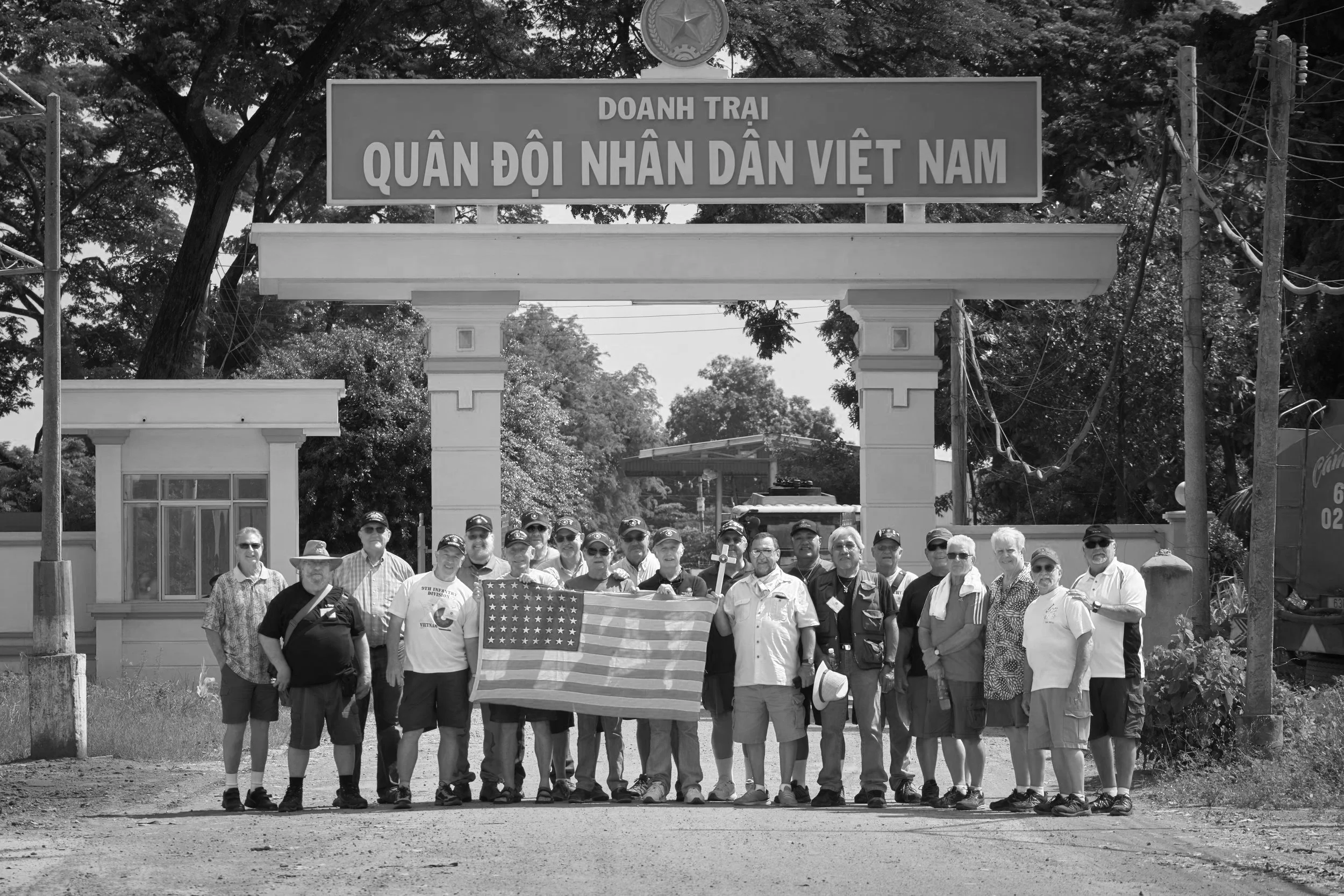
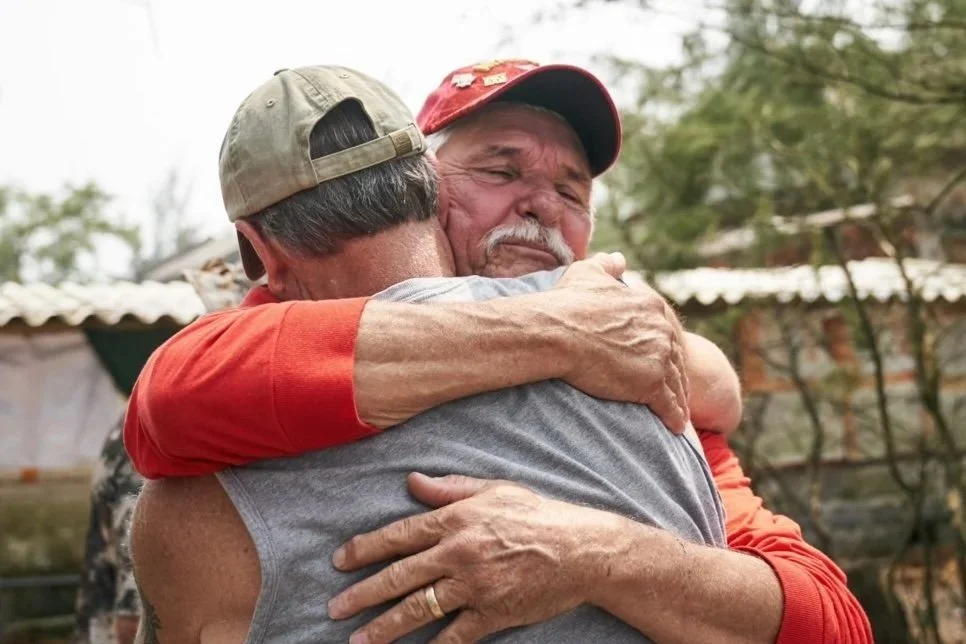
Returning Together — Designed for Vietnam veterans seeking to return alongside those with whom they served, unit-based journeys generally bring together approximately twenty eligible veterans connected by a common unit or area of operation. Each itinerary is developed around the unit’s history, movements, significant locations, losses, and shared experiences. Returning together allows veterans to honor those absent from their formation, reconnect through shared memory, preserve their unit’s history, and stand beside one another in places that shaped their lives. No one makes this journey alone.
PROGRAM TWO
INDIVIDUAL VETERAN RETURN
A Path Back for Those No Longer Connected to Their Units — Not every veteran remains connected with those alongside whom they served. Time, distance, illness, and loss can make a unit reunion impossible. Yet the desire to return may remain just as meaningful. Our Individual Veteran Journeys bring together carefully selected participants whose service histories, geographic connections, and reasons for returning can be responsibly incorporated into a shared mission. Participants may arrive from different units and backgrounds, but they travel among fellow veterans who understand military service, sacrifice, remembrance, and the enduring consequences of war.
CONNECTING GENERATIONS
INTERGENERATIONAL HEALING
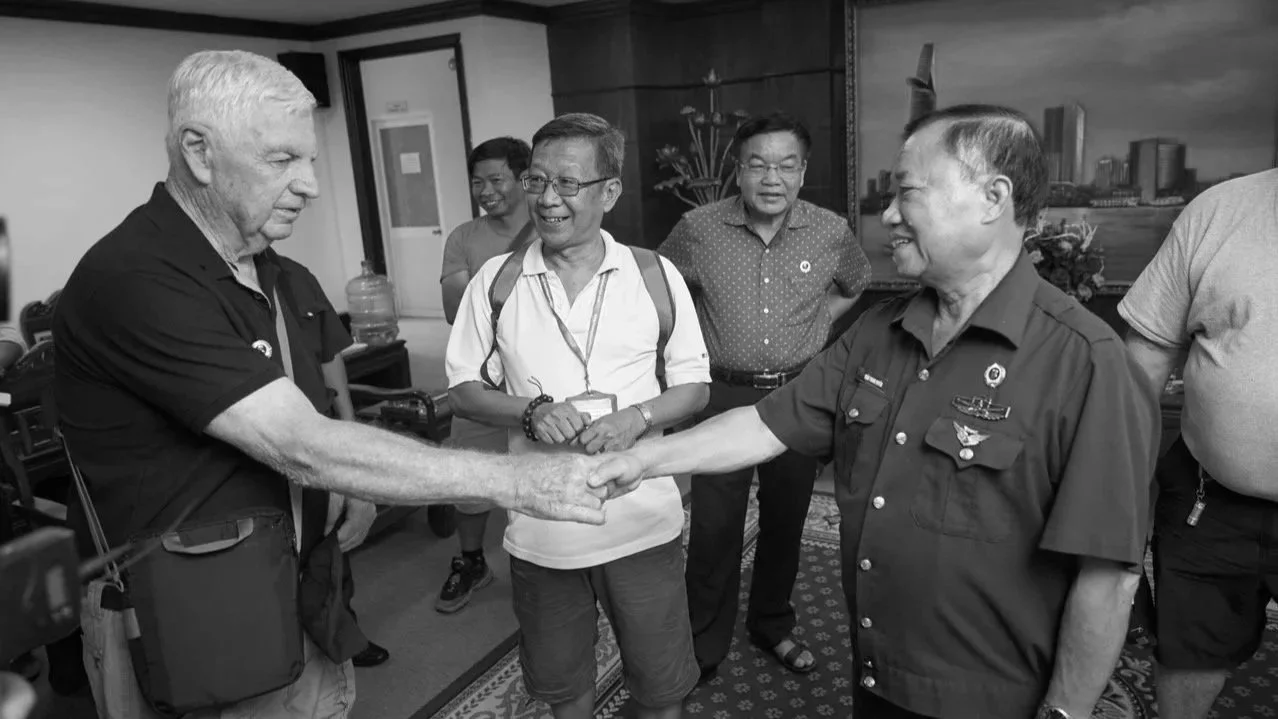
Selected veterans of later conflicts may accompany Vietnam veterans through our Connecting Generations initiative. Their purpose is not to replace or diminish the distinct bonds of the Vietnam generation, but to stand alongside them with respect, empathy, and an understanding shaped by their own military service. Through conversation, shared reflection, and intergenerational exchange, firsthand testimony passes from one generation to another. The Vietnam veteran remains at the center of the experience: heard with care, honored with dignity, and recognized as the primary steward of their own history. Those who accompany them assume a corresponding responsibility—to receive that testimony faithfully and help preserve its meaning for future generations.
UPCOMING PROGRAMS
-

I-Corps
The next units scheduled for deployment to I-Corps comprise veterans of the First Marine Division, as well as personnel from the U.S. Army’s 101st Airborne and First Cavalry.
-
II-Corps
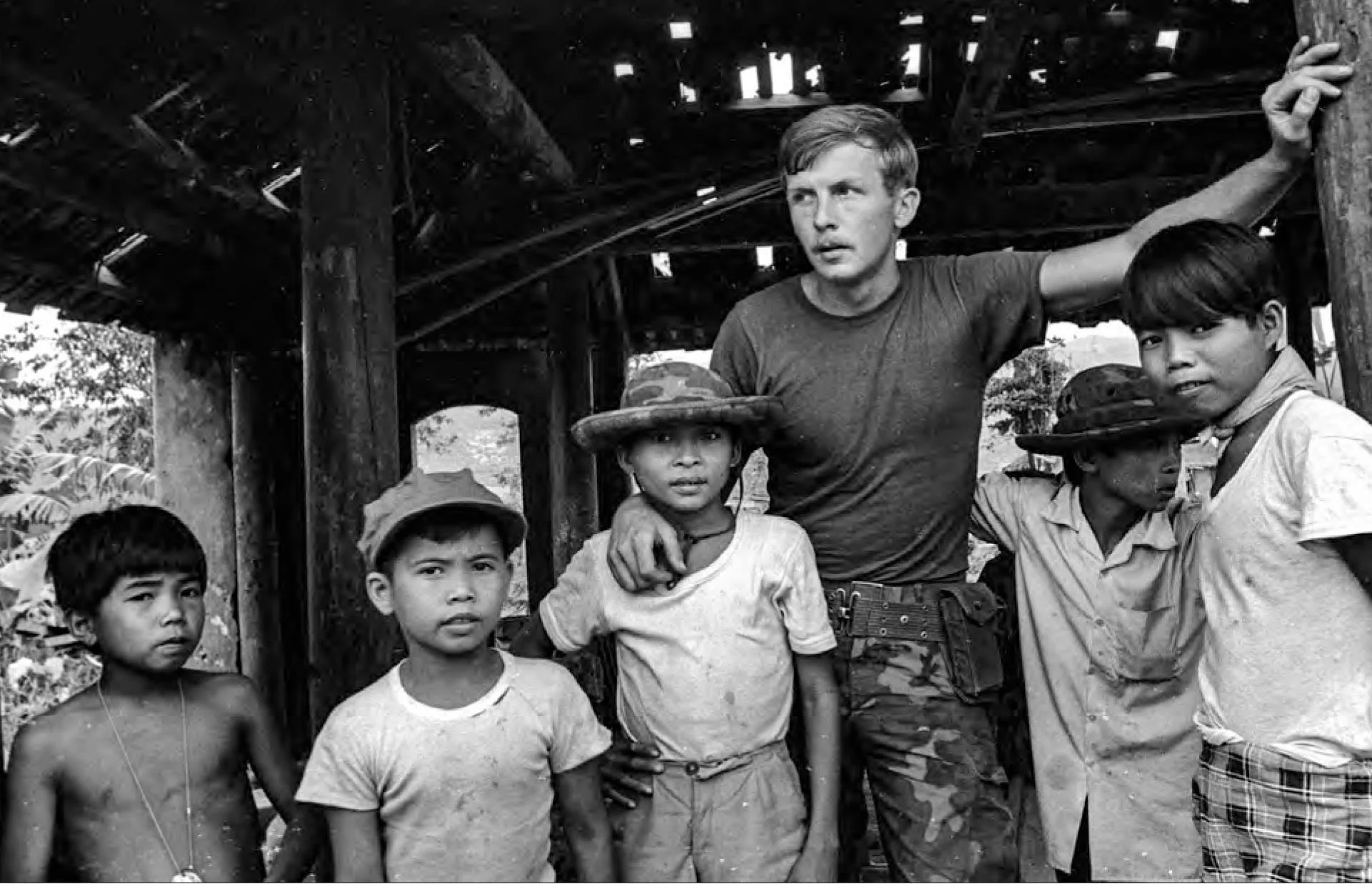
The next groups scheduled to return to II Corps include veterans from the U.S. Army’s 4th Infantry Division, the 173rd Airborne Brigade, and elements of the 7th Cavalry Regiment.
-

III-Corps
The next groups scheduled to return to III-Corps include veterans of the U.S. Army Medical Corps, the 25th Infantry Division, the 1st Infantry Division, and the 9th Infantry Division.
-

IV-Corps
The next groups scheduled to return to IV-Corps include veterans of the U.S. Navy SEALs, the Brown Water Navy, and personnel who participated in Operation Market Time.
-
For many veterans, Vietnam remained present long after the war ended—in memories, places, names, relationships, and experiences carried quietly for decades.
Returning is not recreational travel. It is a mission of remembrance: an opportunity to revisit significant places, honor fallen comrades, reconnect with fellow veterans, preserve firsthand history, and reflect upon the lasting meaning of military service and war.
Every veteran experiences the return differently. There is no prescribed emotional response and no expectation of a particular outcome.
-
Return to Vietnam is intended for eligible Vietnam War veterans whose service and circumstances meet the requirements of the particular program for which they are applying.
Participation is selective. Eligibility, physical readiness, service history, program compatibility, available capacity, and the ability to participate safely and responsibly are considered during the selection process.
-
Unit-based journeys are generally structured around approximately twenty eligible veterans.
Each participating unit designates a primary liaison to coordinate with Vietnam Inc. regarding participant information, service history, documentation, readiness, and program logistics.
Veterans who are no longer connected with their former units may also be considered through the Individual Veteran Journey program and are not required to independently assemble a twenty-person group.
-
Return journeys are generally planned for approximately twelve days, allowing sufficient time for historical visits, remembrance, reflection, community engagement, and travel between significant locations.
Each itinerary is built around the history and circumstances of the participating veterans rather than a conventional tourism schedule.
The experience is designed to support healing, strengthen camaraderie, and promote personal resolution. By maintaining a respectful and supportive environment, the program helps veterans process the past, reconnect with fellow participants, and pursue a renewed sense of peace throughout the journey.
-
Every itinerary is different.
Programs are developed around the locations associated with the participating veterans and their units. Depending upon service history and access, these may include former bases, battlefields, landing zones, villages, rivers, hospitals, memorial sites, and other historically significant locations.
The objective is not simply to visit historic ground, but to reconnect veterans with the geography of their own service and preserve the human history connected to it.
-
Yes.
Each journey is supported by an experienced team responsible for program coordination, logistics, participant welfare, historical documentation, and in-country operations.
Through Connecting Generations, selected veterans of later conflicts may also participate alongside Vietnam veterans, contributing intergenerational understanding while ensuring that the Vietnam veteran and their testimony remain at the center of the mission.
-
Each return journey is supported by a dedicated team focused on participant safety, coordination, comfort, and the integrity of the program.
Depending upon the mission, this may include medical, logistical, historical, documentation, and in-country support personnel.
Their role is to create a professional and respectful environment in which veterans can concentrate on remembrance, reflection, and the purpose of their return.
-
Return to Vietnam journeys are specifically structured around participating veterans and the shared experience of military service.
For that reason, family members and other guests generally do not accompany veterans on these missions.
This policy protects the character of the program and allows veterans to experience the return among those who share an understanding of military service, sacrifice, and the history being revisited.
Separate opportunities for families may be developed through other Vietnam Inc. initiatives where appropriate.
-
Eligible participants selected for a fully funded Return to Vietnam mission participate without program cost through philanthropic and organizational support.
Covered expenses may include international transportation, accommodations, meals, ground transportation, and approved program-related activities.
Removing the financial barrier allows participating veterans to concentrate upon the purpose of their return: remembering those who did not come home, preserving their history, reconnecting with fellow veterans, and contributing to a broader mission of remembrance and reconciliation.
Our FAQ’s