RETURN TO VIETNAM INITIATIVE
OUR MISSION
We sponsor veterans on journeys back to the places in Vietnam that forever shaped their lives, creating opportunities for reflection, healing, and human connection. Through these journeys, we honor those who gave their lives, preserve the stories of those who returned, and foster meaningful encounters with former adversaries and Vietnamese communities—building bridges of understanding, reconciliation, and peace.
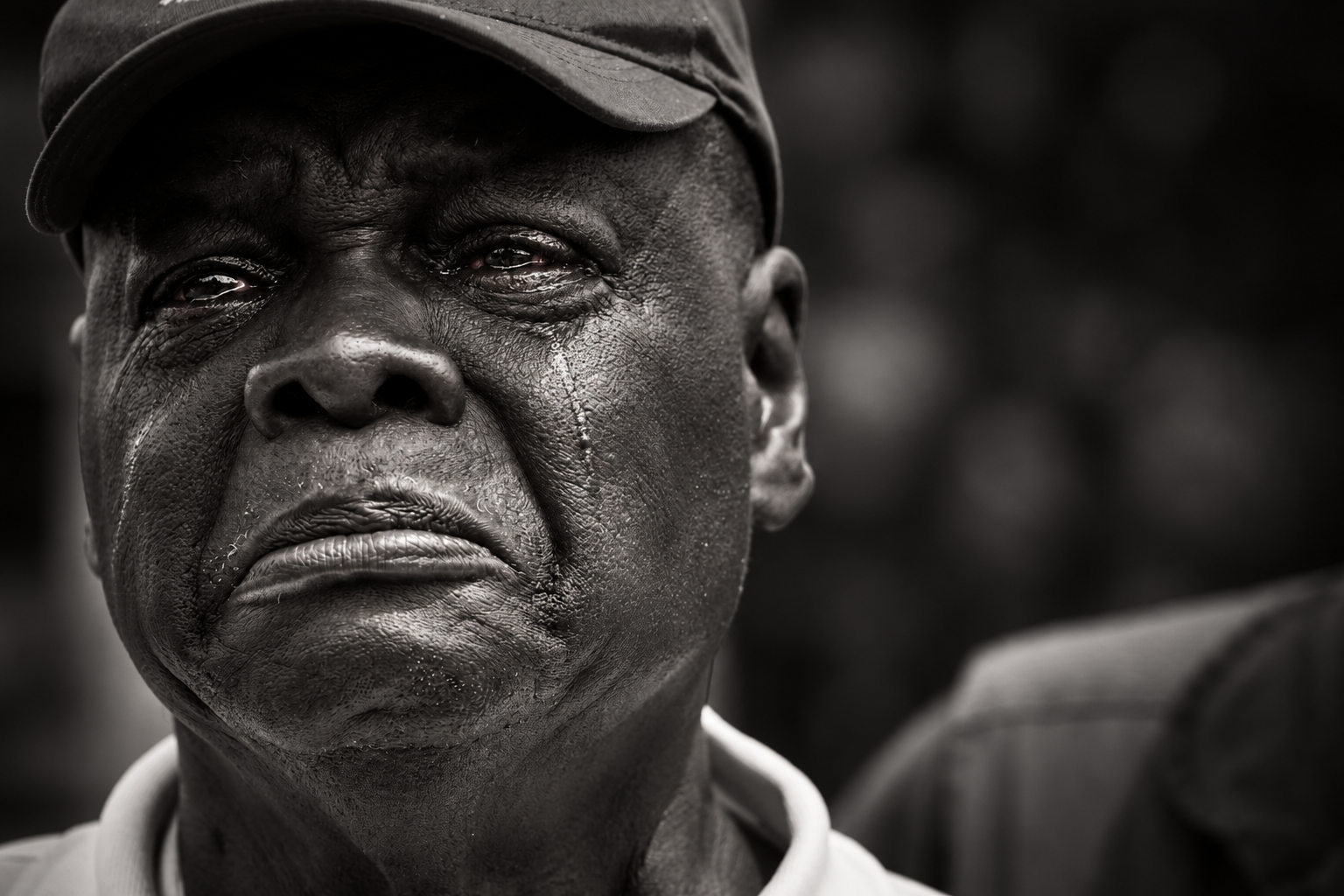
“Behind every loss was a mother, a father, a son, a daughter. Someone deeply loved. Someone whose absence is still felt, whose story deserves to be remembered, and whose suffering should never be forgotten.”
– Gary MAIBACH, US Army (1967)

RETURN TO VIETNAM INITIATIVE
OUR STORY
The Return to Vietnam Initiative recognizes that war’s effects last long after fighting ends. Decades later, veterans, families, and communities in the U.S. and Vietnam still bear its legacy. Grounded in dignity, remembrance, and reconciliation, the Initiative honors service and loss, acknowledges lasting human harm, and promotes dialogue, respect, and healing. We cannot change the past, but we can build a future of compassion, dignity, and peace. The fighting ended; the toll did not.
RETURN TO VIETNAM INITIATIVE
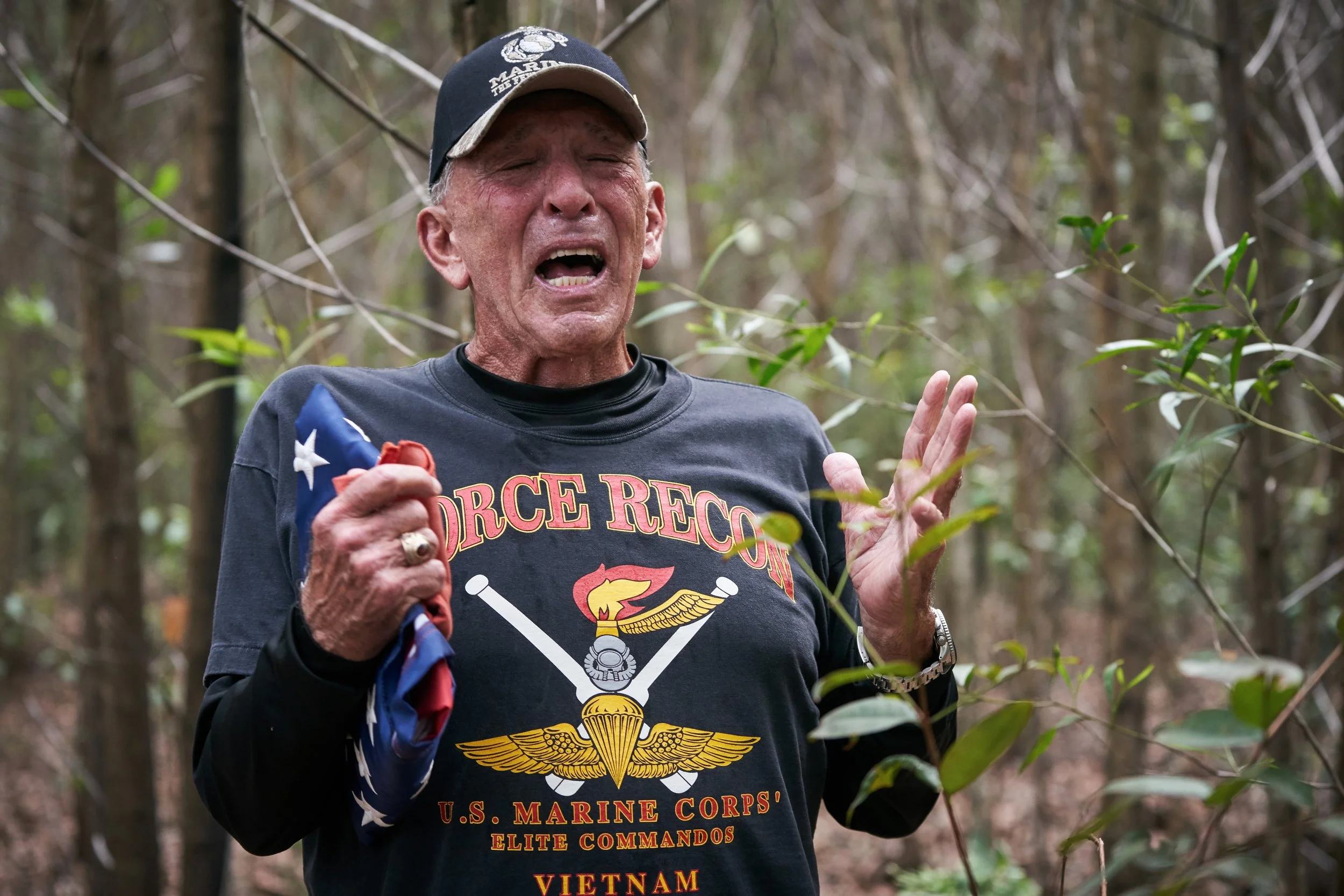
WHO WE HONOR
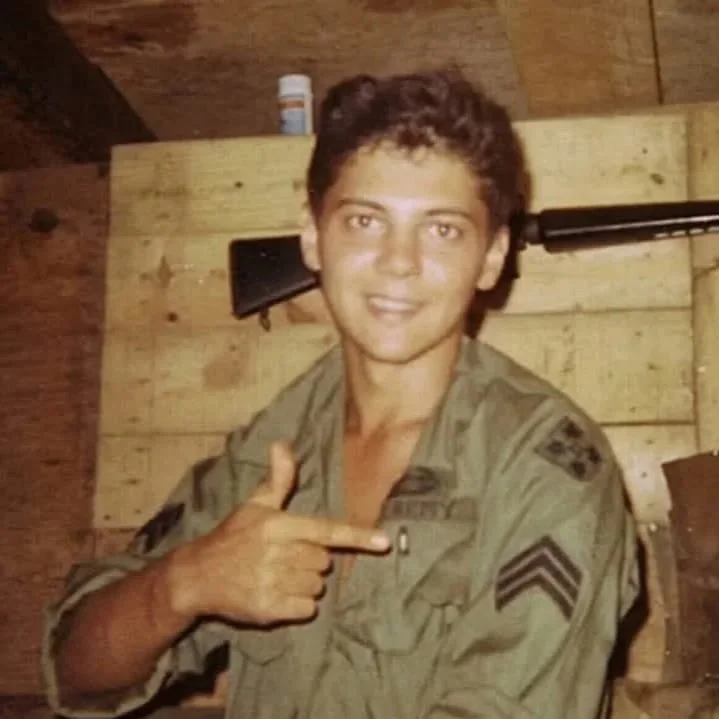
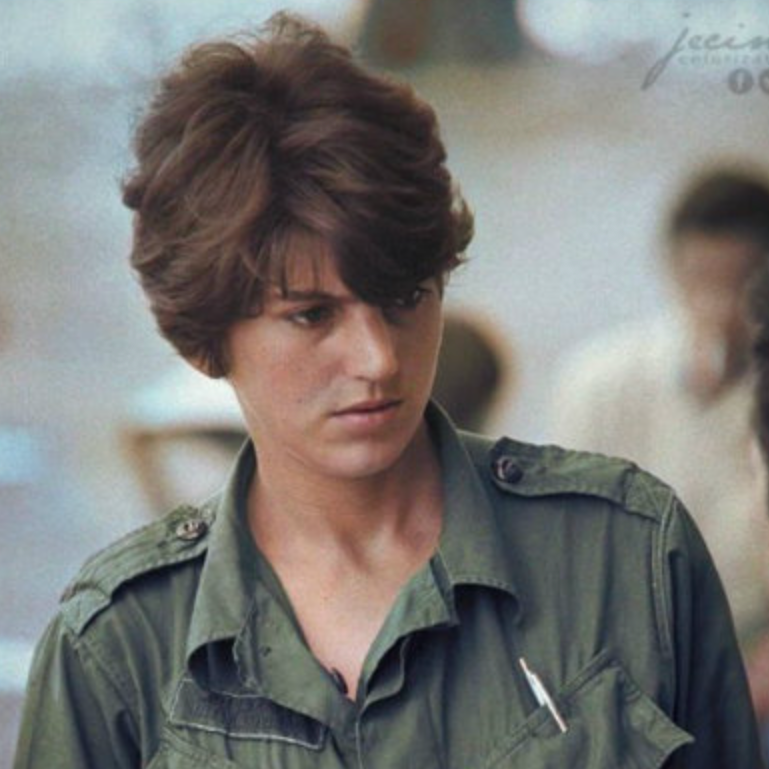
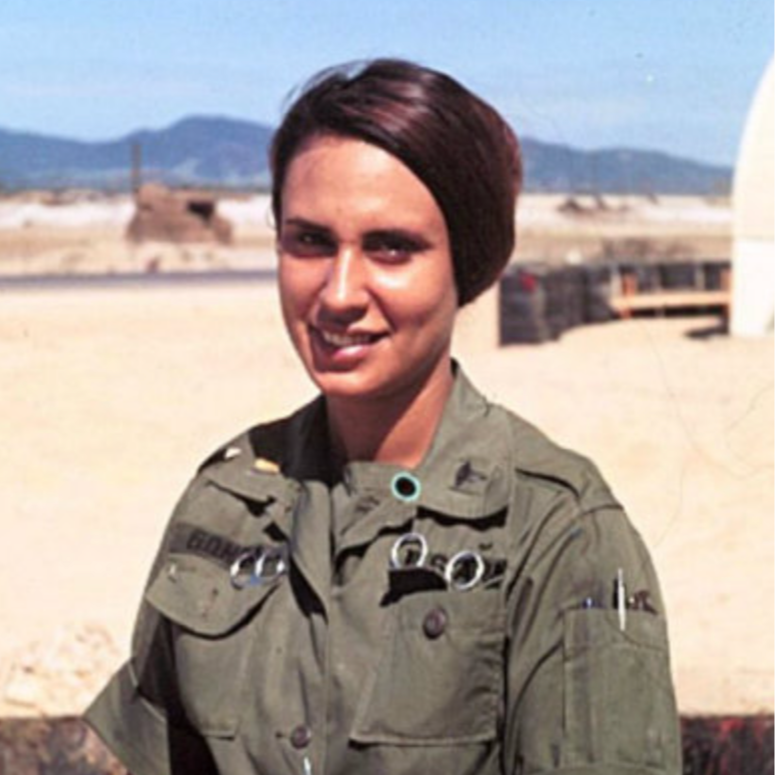
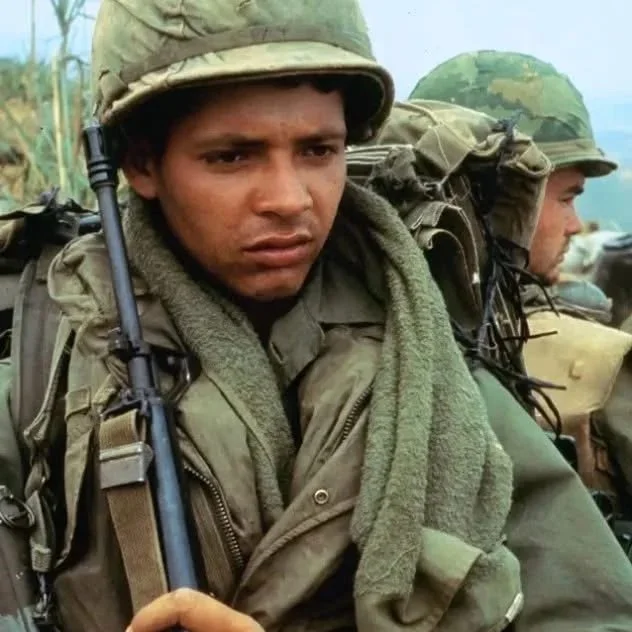
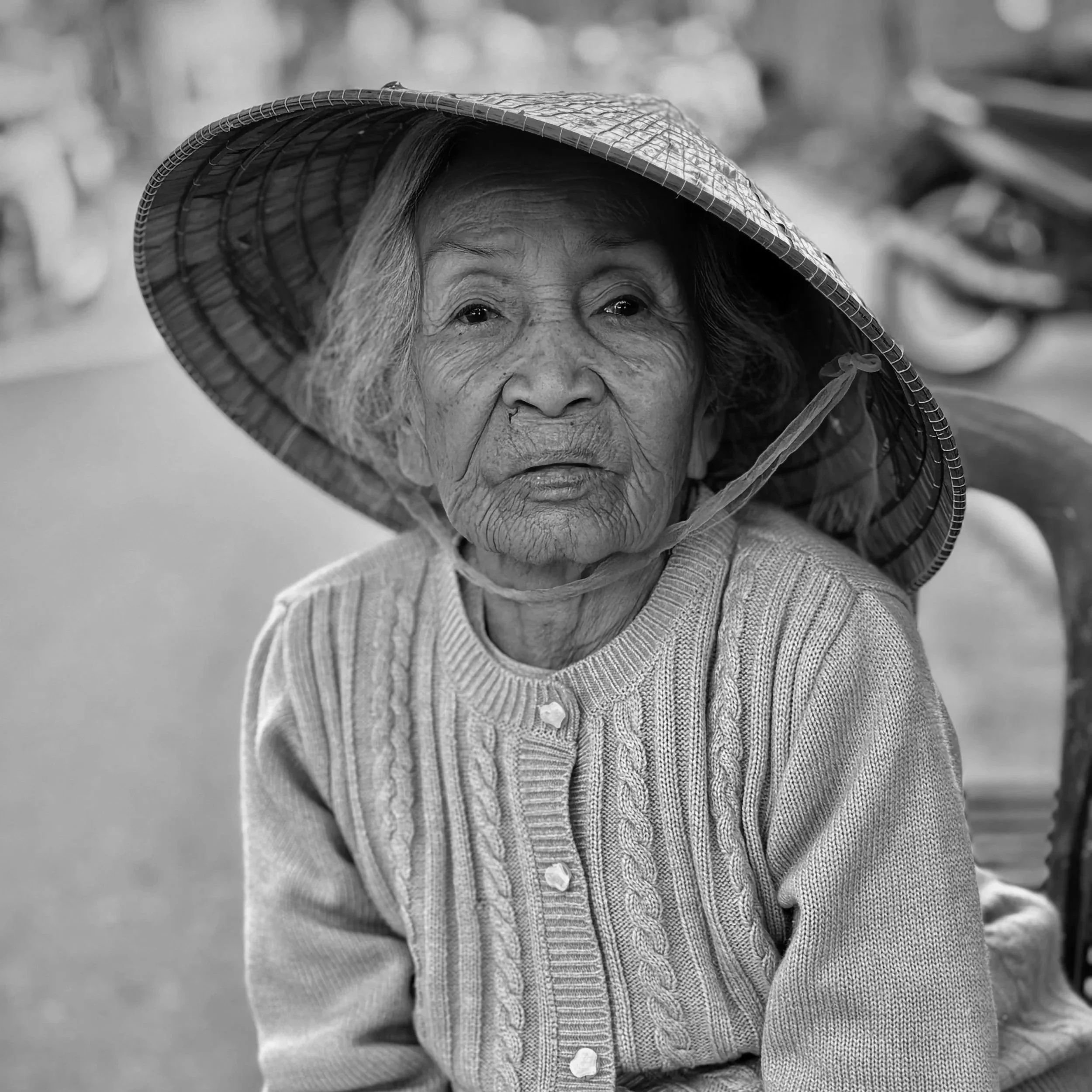
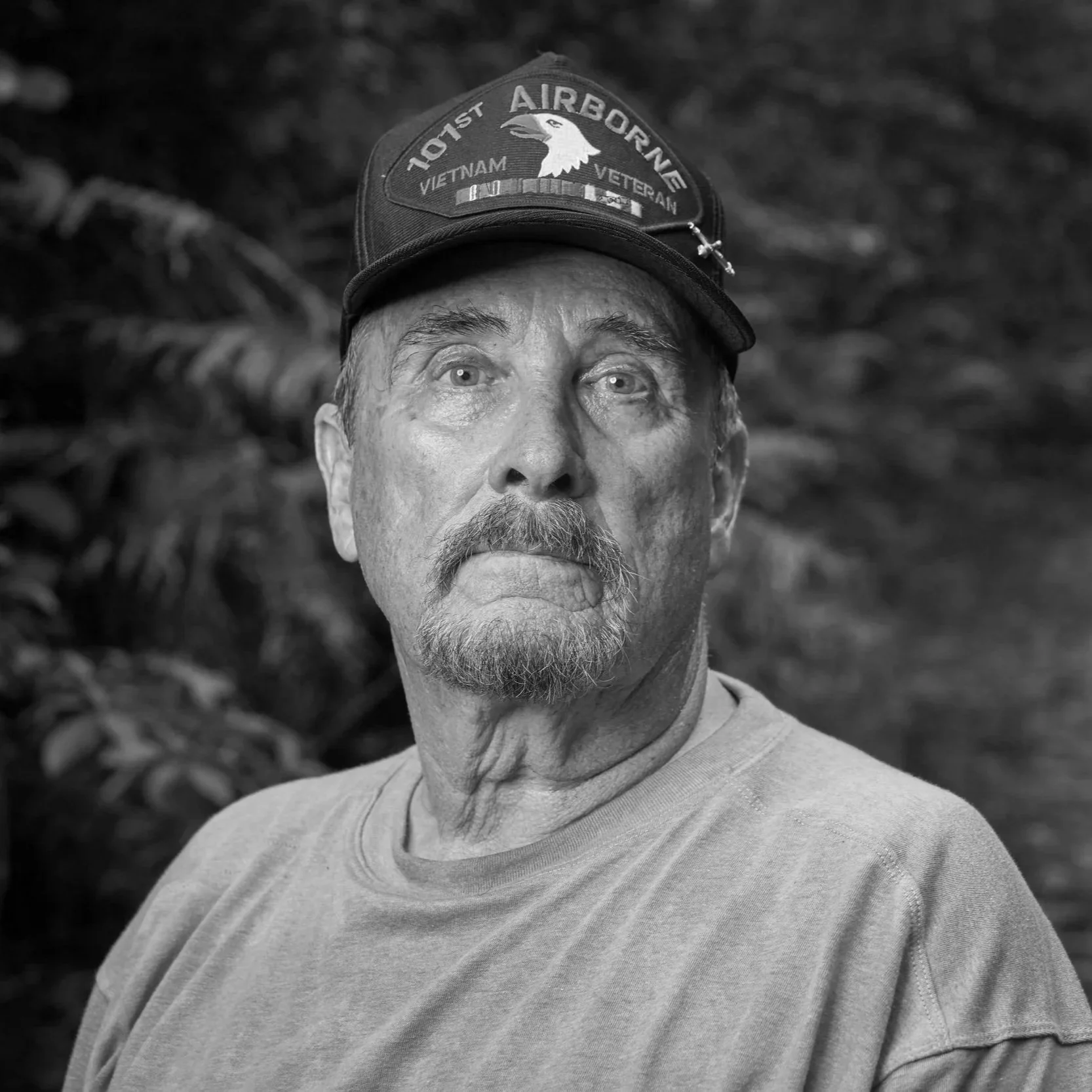
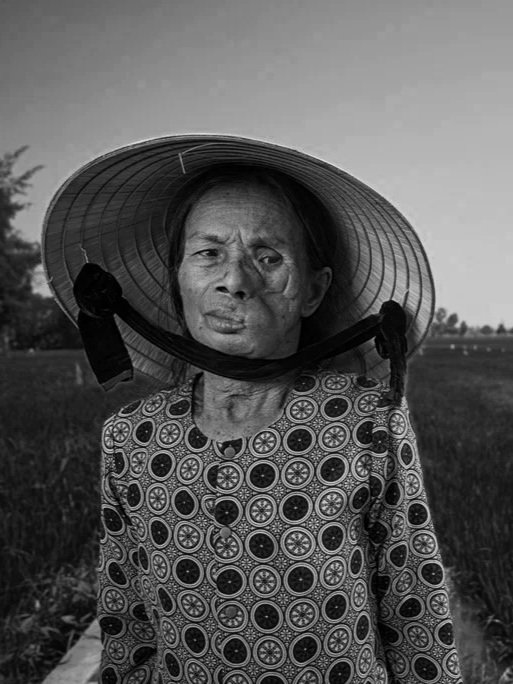
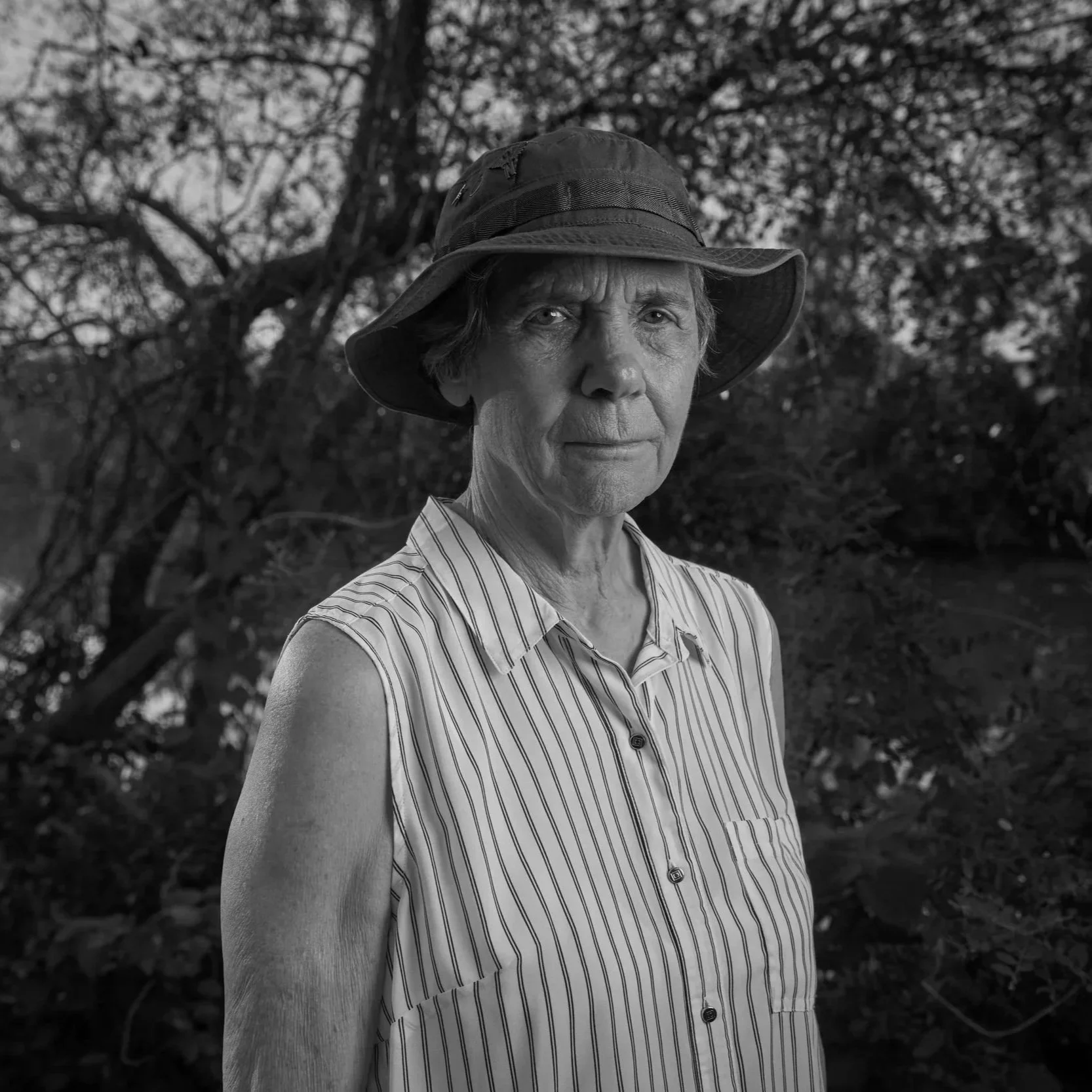
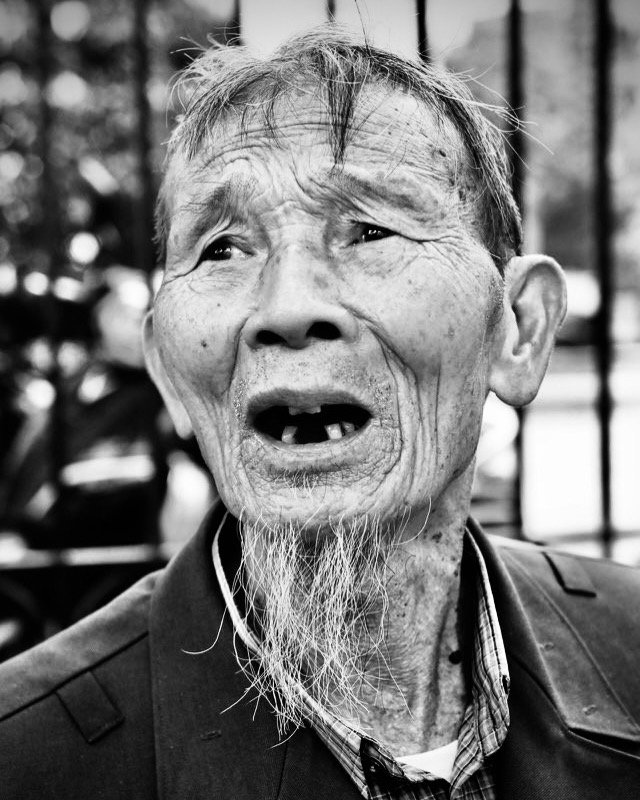
We honor all Vietnam War veterans—every nation, every side, every experience. We remember the fallen, those who carried lasting burdens, and affected families and civilians. Though history divides, our shared humanity affirms every life’s value and the need to remember every sacrifice. Every life matters; every story should be heard; no sacrifice forgotten.
RETURN TO VIETNAM INITIATIVE
WHAT WE BELIEVE
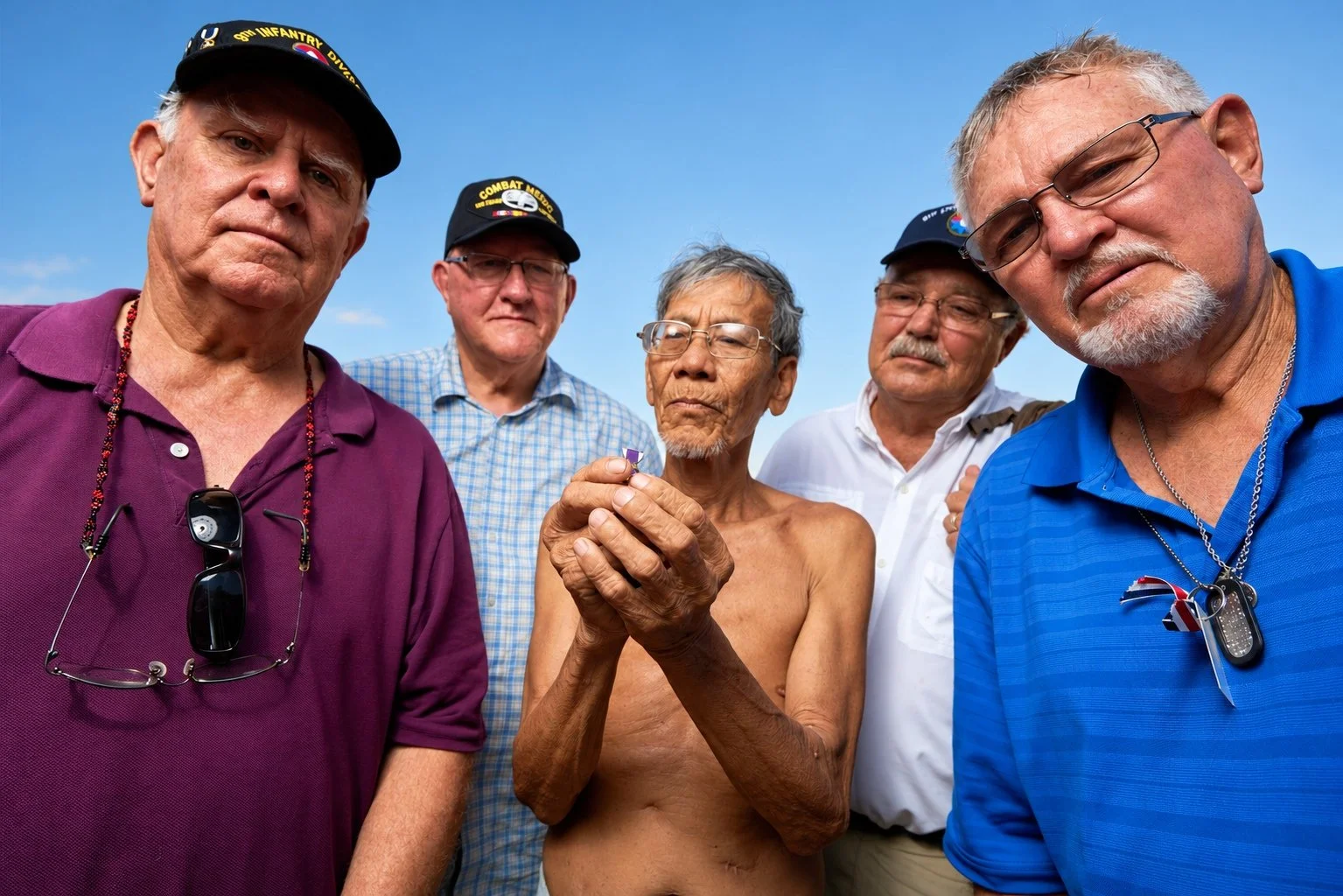
We believe reconciliation does not mean forgetting the past, abandoning loyalties, or diminishing the lives lost and sacrifices made. It does not demand forgiveness, nor does it erase the grief and lasting pain of war. Reconciliation begins with the courage to listen, the humility to respect experiences different from our own, and the willingness to recognize our shared humanity. We cannot change what happened. But we can choose how we remember, how we treat one another, and what we build together.
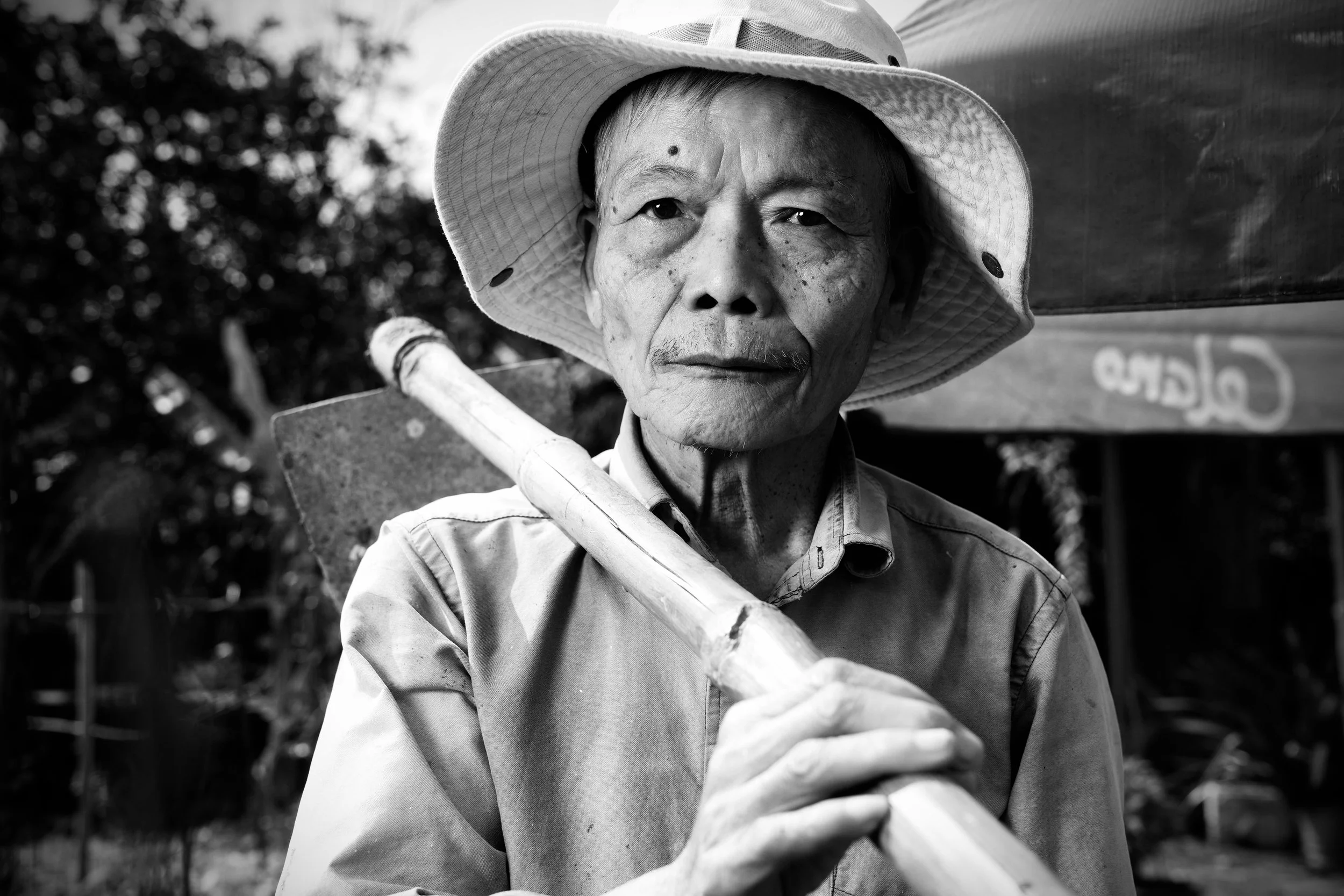
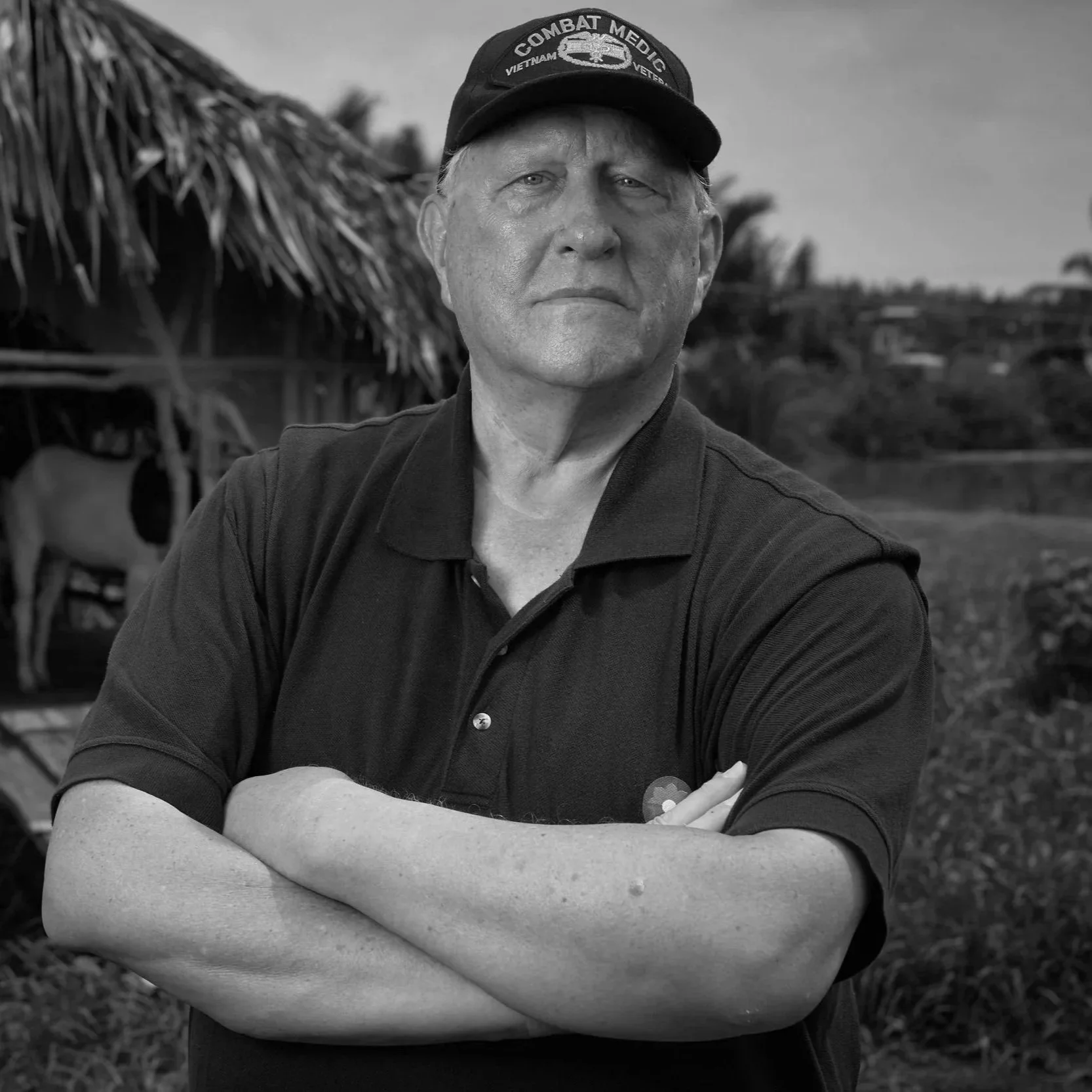
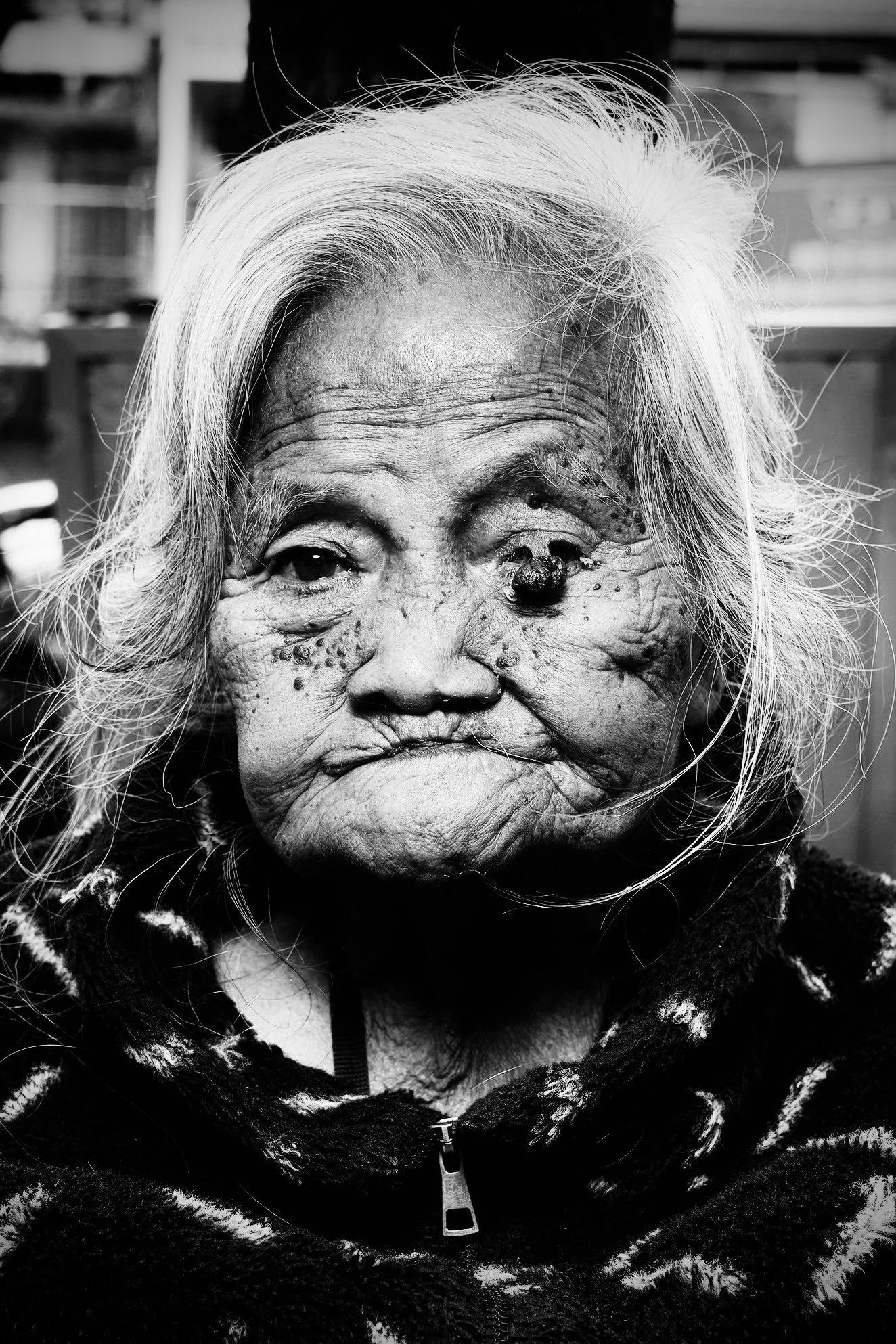
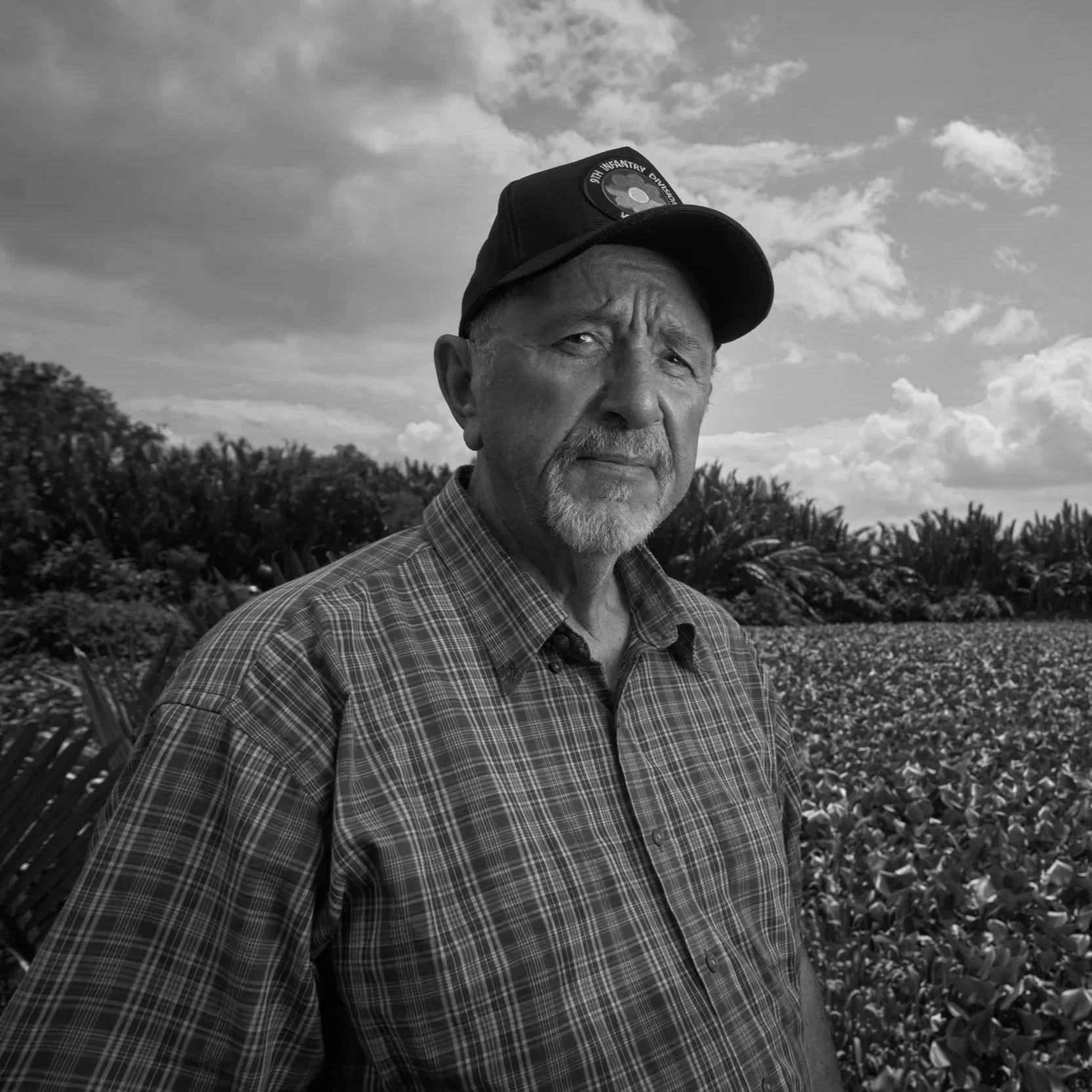
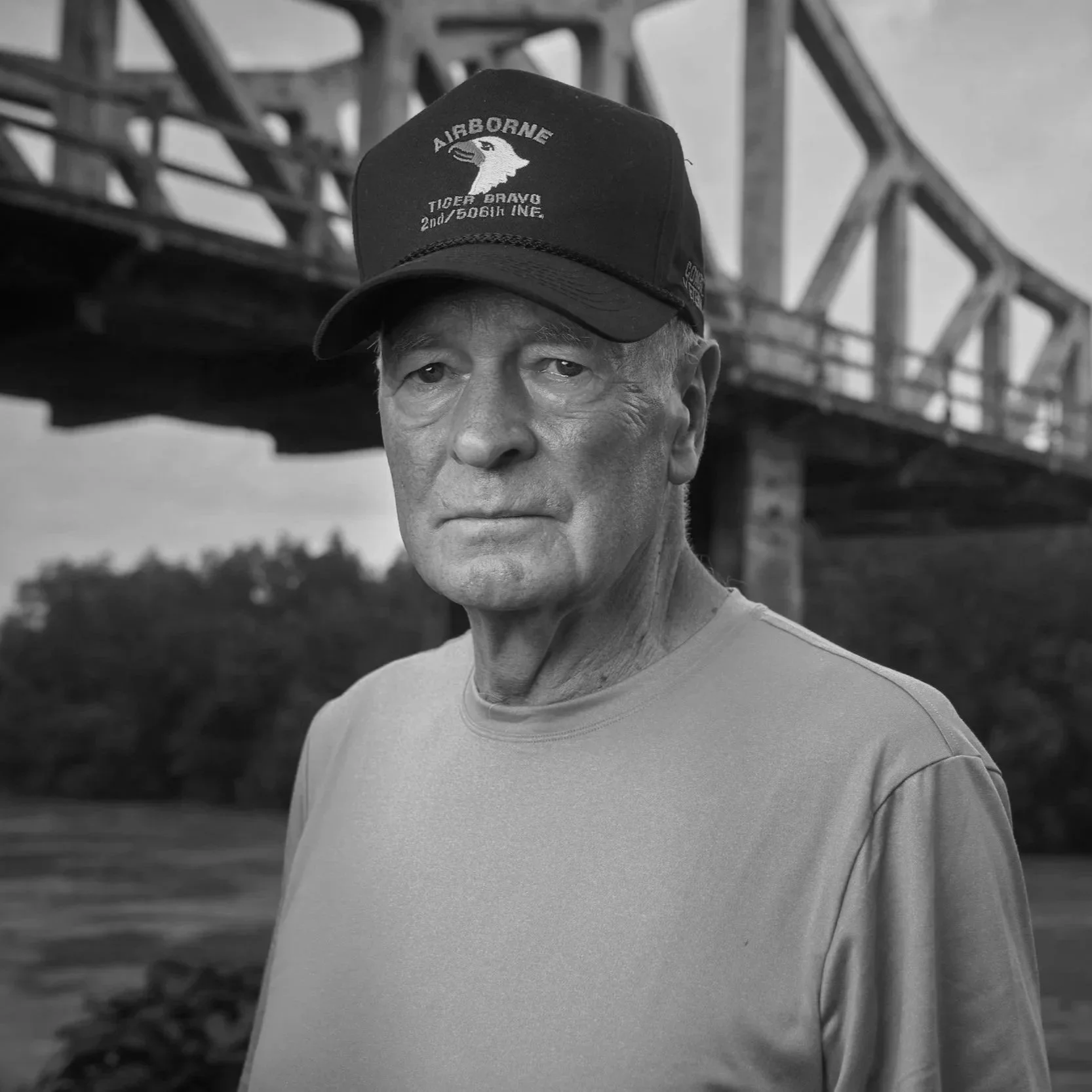
“For me, battlefield reconciliation has become one of the most powerful pathways toward healing the psychological wounds I carry from war.”
– Joseph GETHERALL, 1966 (USMC)