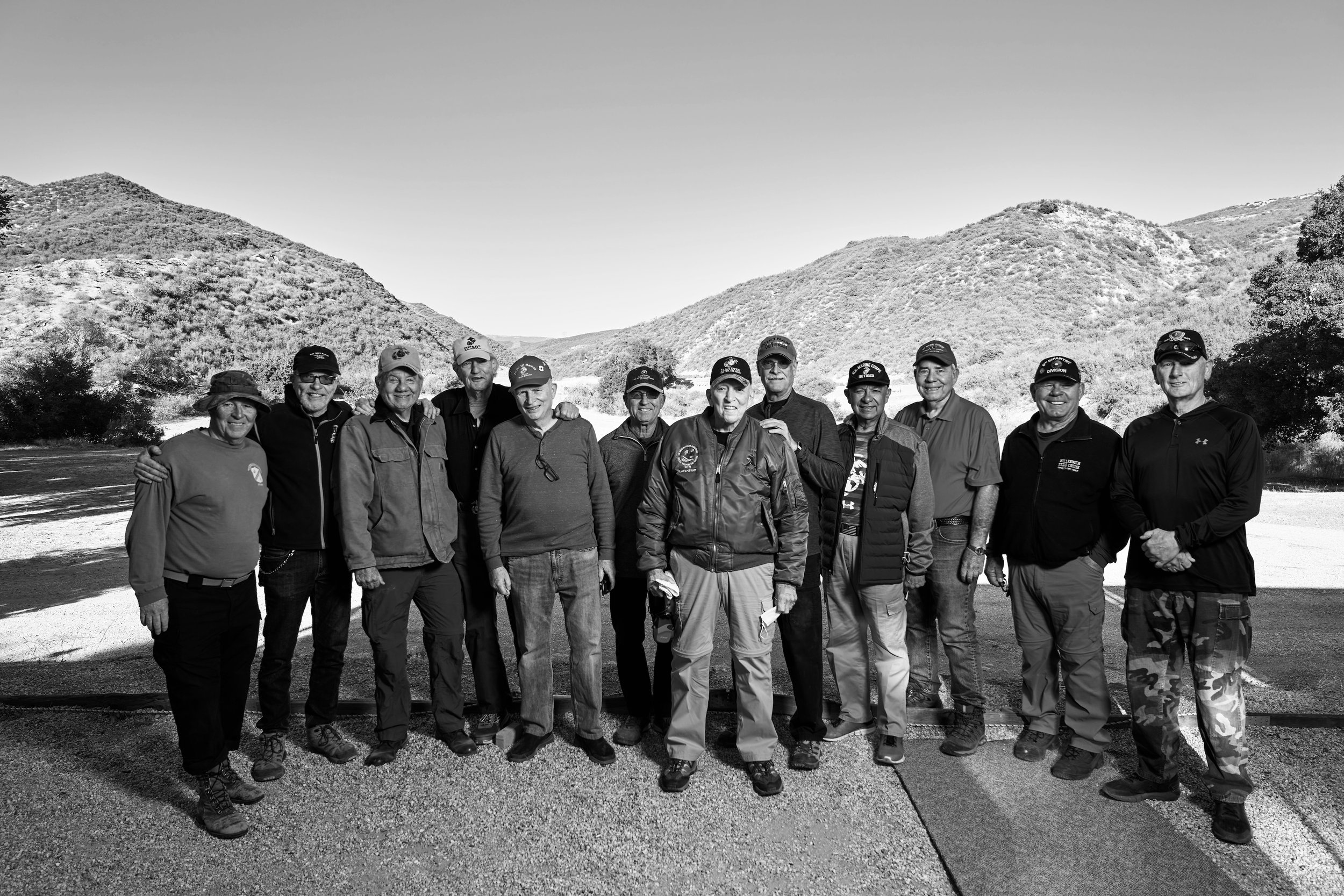
“For many veterans, the journey back can be one of remembrance, reflection, and renewed human connection.”
Returning to Vietnam
A Return to Vietnam journey is not recreational travel. It is a carefully structured mission created around the history, service, and personal experiences of each participating veteran. Veterans return to regions associated with combat, loss, survival, and sacrifice. They visit places connected to their units, honor those who never came home, and reflect on what they carried back with them. The purpose is not to recreate the past. The purpose is to meet it with truth, dignity, and the support of those who understand.
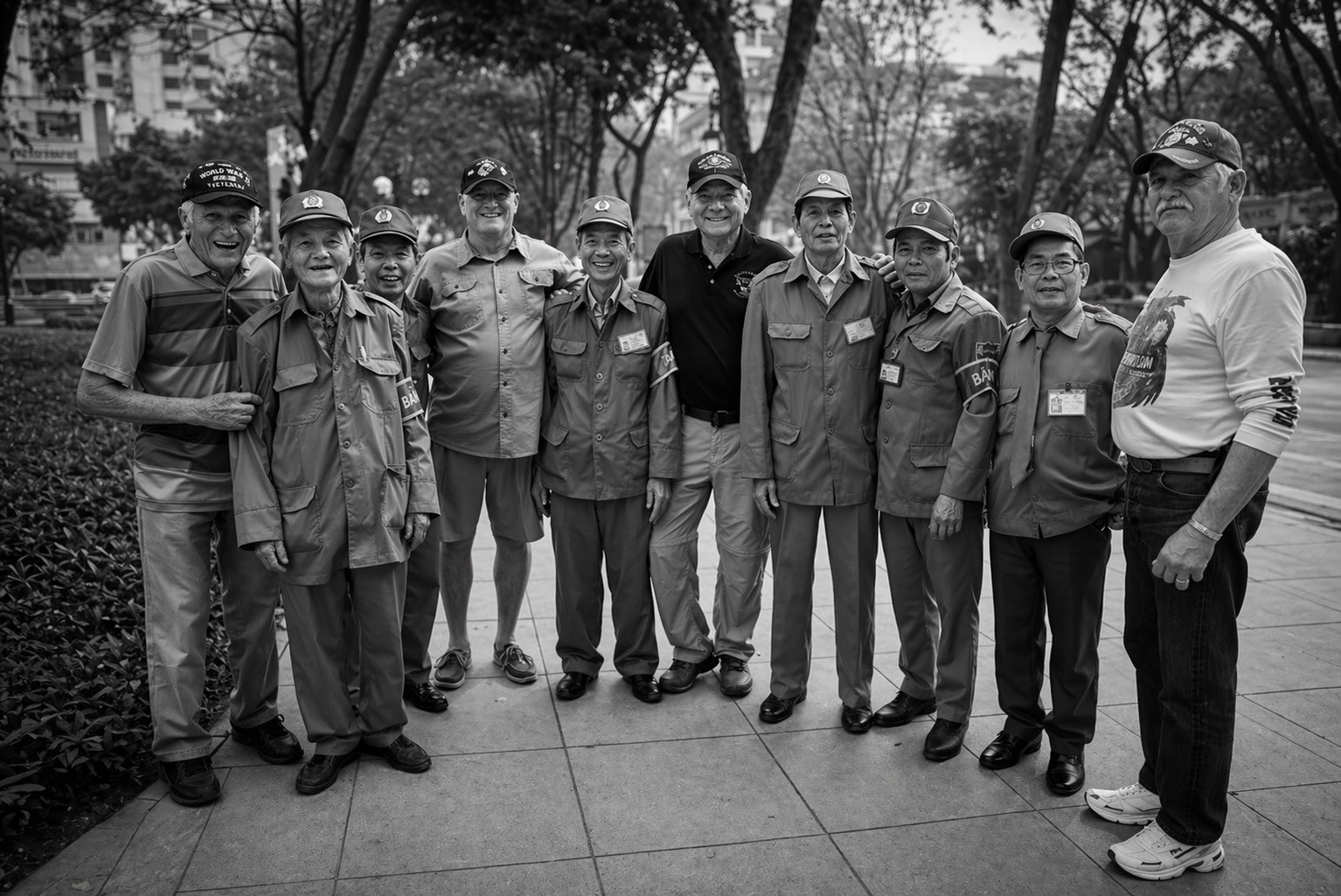
The Responsibility
When veterans return, they carry more than their own memories. They carry the names of fallen comrades, the stories of their units, the grief of families, and the responsibility to ensure that those who served are not reduced to statistics or forgotten chapters of history. Their return is an act of courage and public remembrance. By standing again in places marked by sacrifice, veterans help preserve the truth of what happened and give a human voice to those who can no longer speak for themselves.
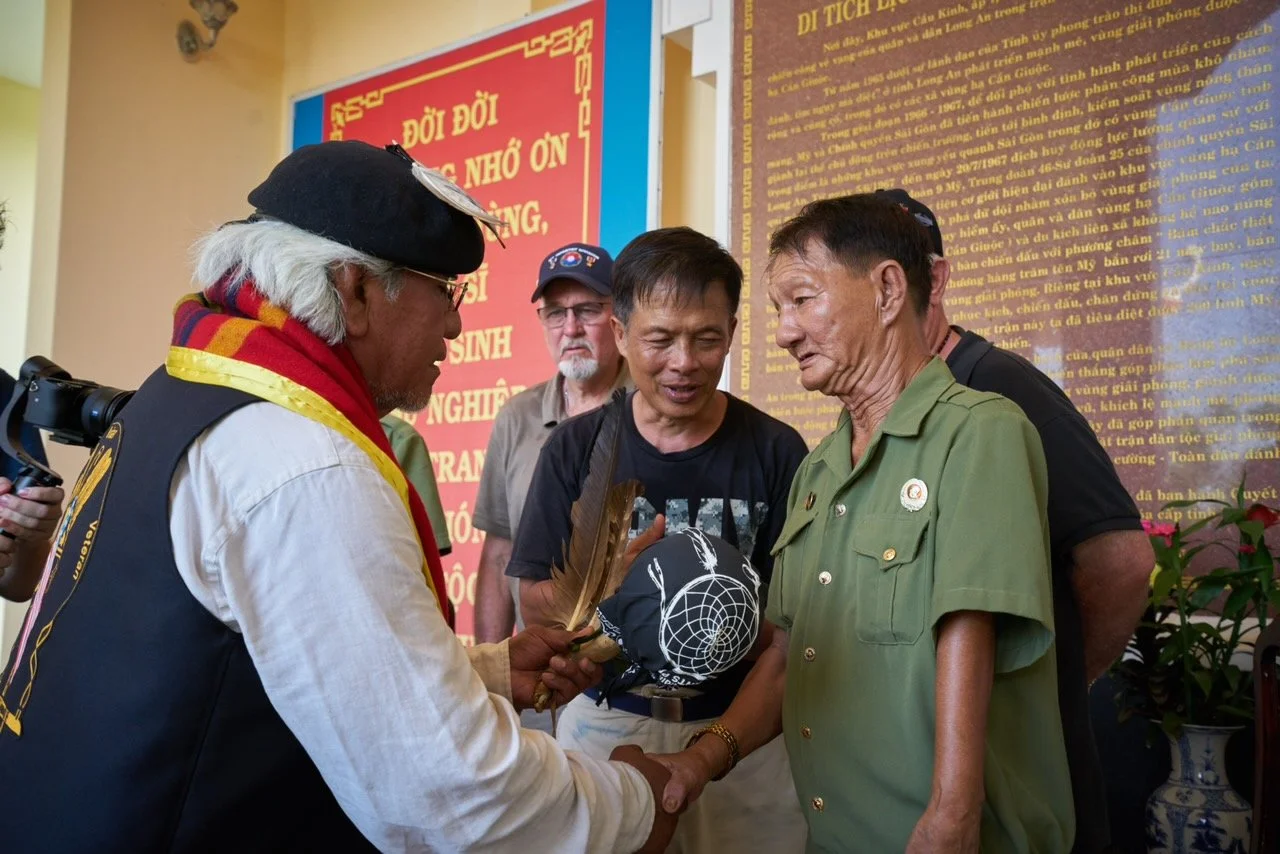
The Reflection
Each journey provides time and space for personal reflection. Veterans may return to a former base, battlefield, village, river, landing zone, hospital, or location that remained present in their memories long after they left Vietnam. Some moments are shared openly. Others are quiet and deeply personal. There is no single way to experience a return. Each veteran arrives with a different story and moves through the journey at an individual pace. The program does not promise to erase the past. It provides a dignified setting in which veterans may face it, understand it differently, and seek greater peace.
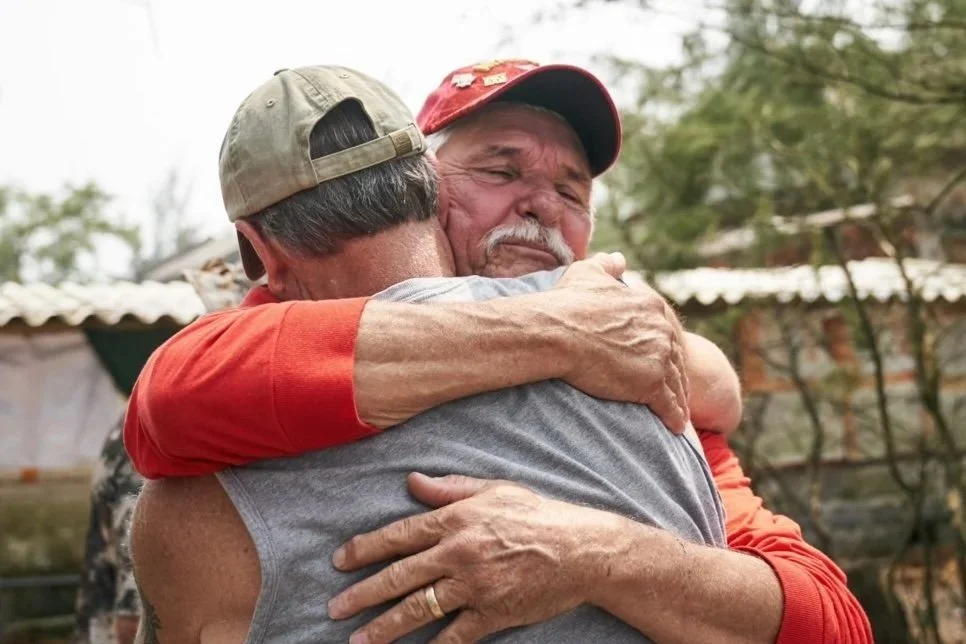
PROGRAM ONE
UNIT-BASED RETURN
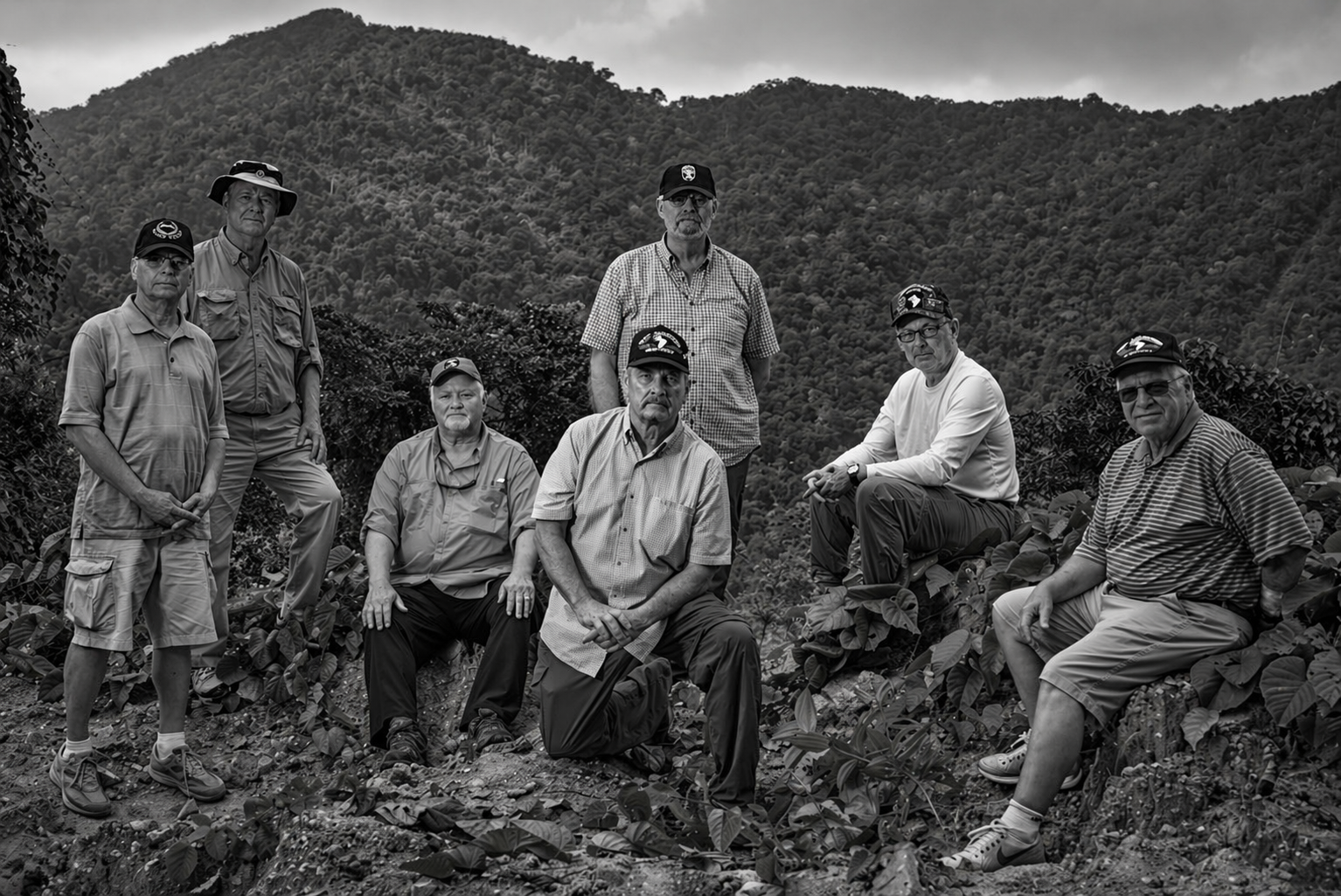
Returning Together — This program is designed for combat veterans seeking to return alongside those with whom they served. Each journey brings together approximately twenty eligible veterans from the same unit or shared area of operation. The itinerary is developed around the unit's history, movements, major locations, losses, and experiences. The bond between those who served together cannot easily be explained. By returning as a unit, veterans may honor those who are missing from their formation, reconnect through shared memory, and support one another as they revisit the places that shaped their lives. No one makes this journey alone.
PROGRAM TWO
INDIVIDUAL VETERAN RETURN
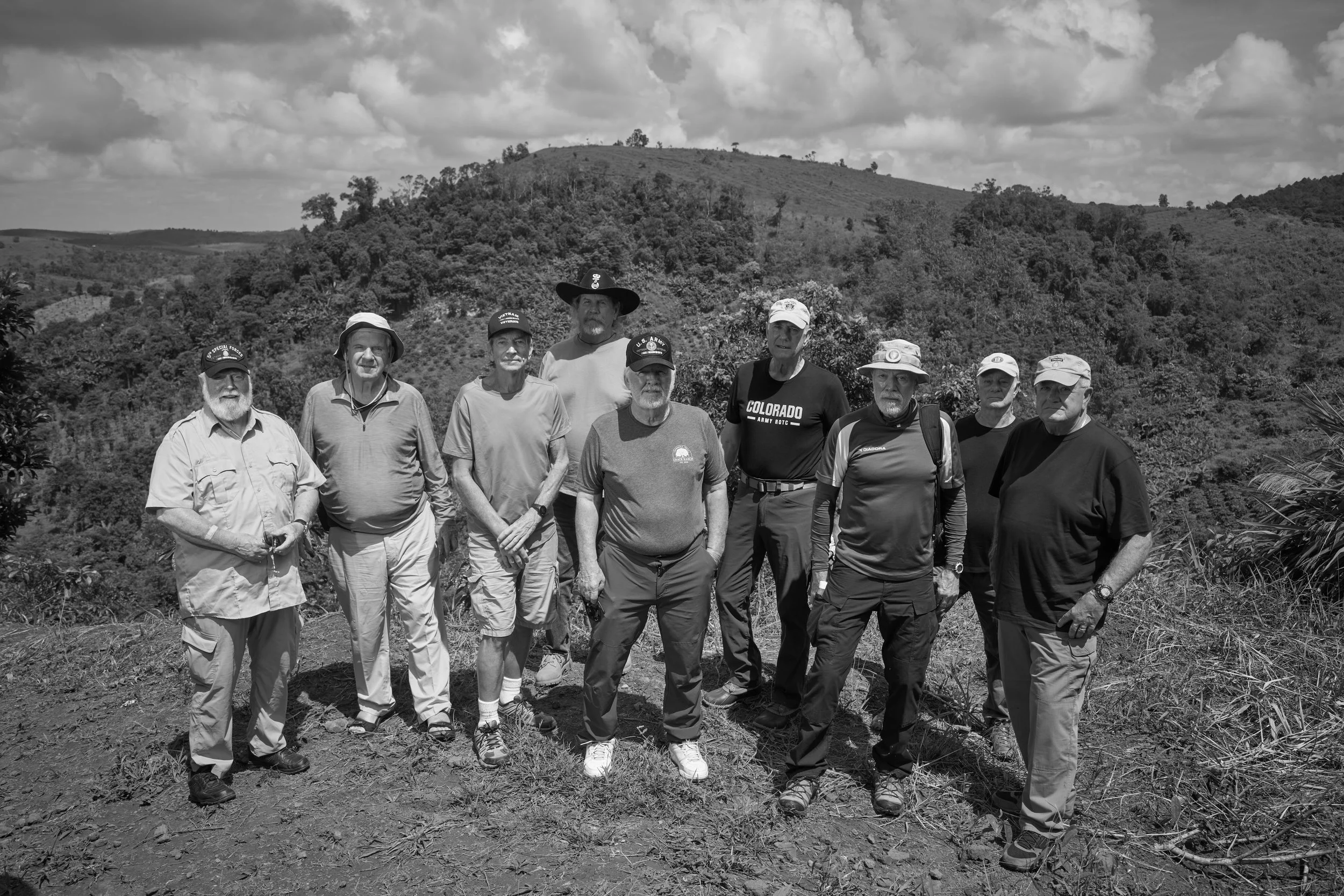
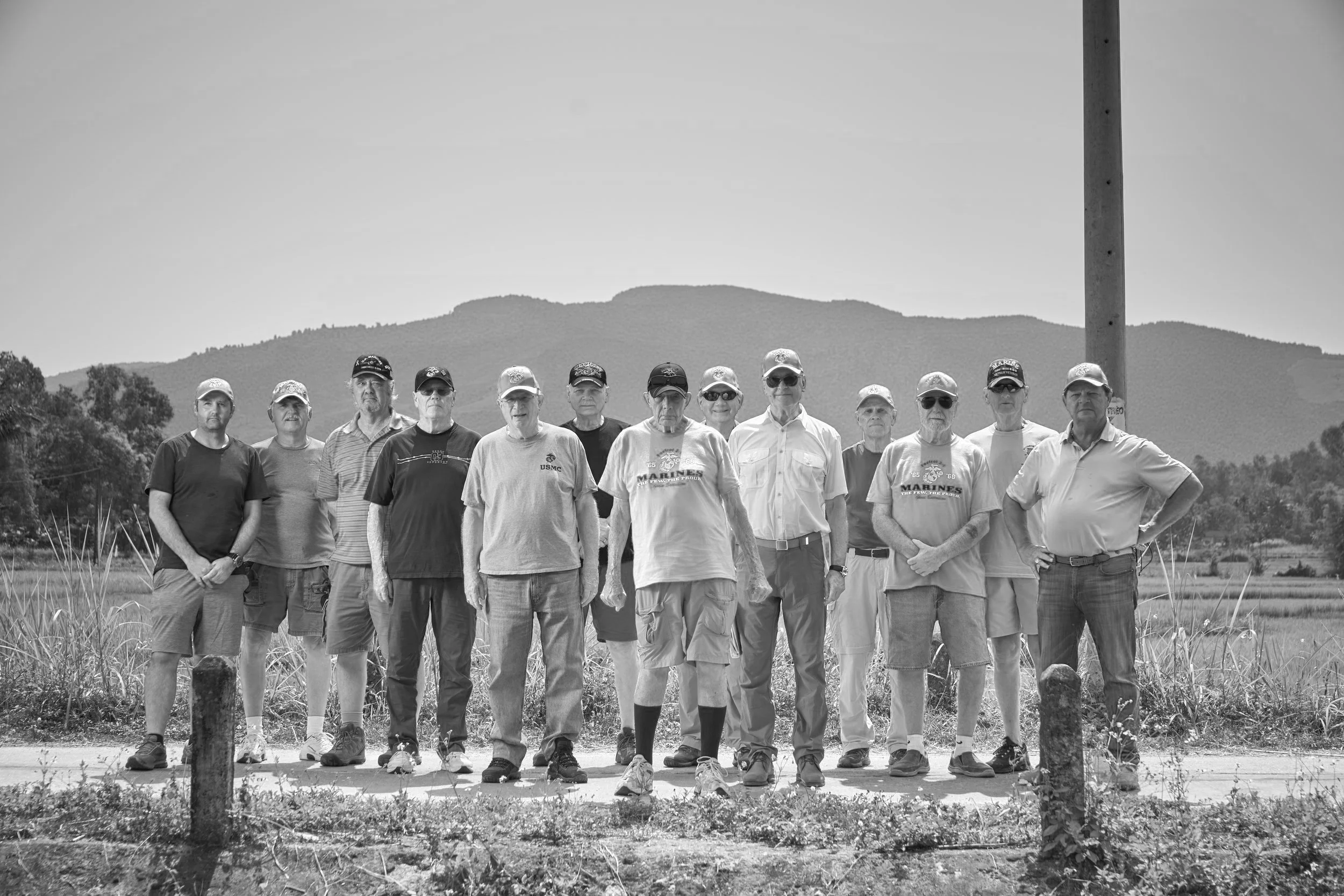
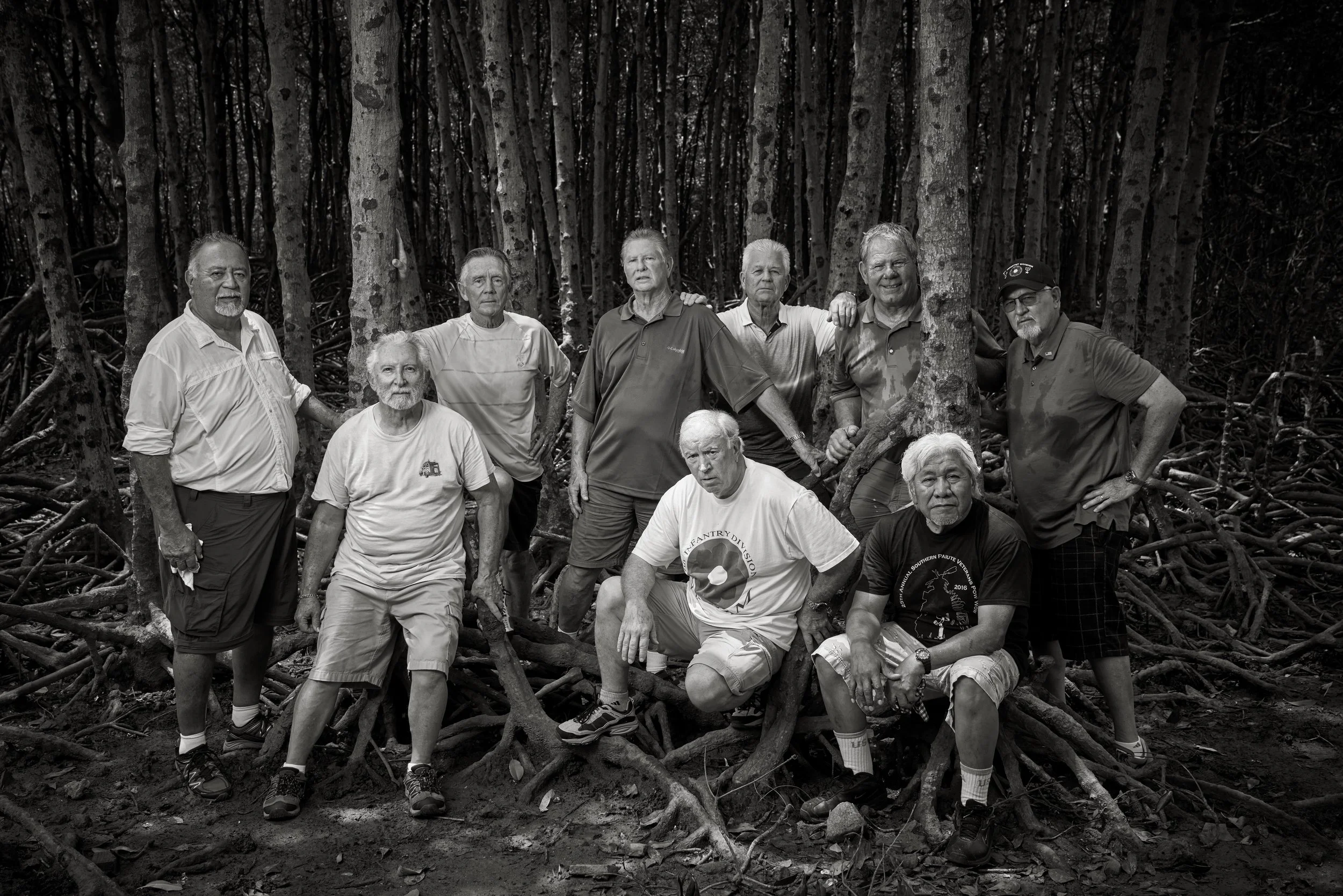
A Path Back for Those No Longer Connected to Their Units — Not every veteran remains connected with the people alongside whom they served. Time, distance, illness, and loss may make a full unit reunion impossible. Yet the need to return may remain just as strong. Our individual veteran program brings together carefully selected participants whose service histories and personal goals can be supported through a shared journey. Although they may not arrive as former unit members, they travel with people who understand service, sacrifice, and the lasting weight of war. In that shared understanding, a new form of brotherhood and sisterhood can emerge.



CONNECTING GENERATIONS
INTERGENERATIONAL HEALING
Through our Connecting Generations initiative, veterans of later conflicts accompany Vietnam veterans in a shared process of remembrance, reflection, and reconciliation. The War in Vietnam becomes a platform for understanding how war is carried across generations, while testimony, memory, and hard-earned lessons are preserved and passed forward. In this exchange, one generation helps another confront the human consequences of war—and transform memory into understanding.
UPCOMING PROGRAMS
-

I-Corps
The next units scheduled for deployment to I-Corps comprise veterans of the First Marine Division, as well as personnel from the U.S. Army’s 101st Airborne and First Cavalry.
-
II-Corps
The next groups scheduled to return to II Corps include veterans from the U.S. Army’s 4th Infantry Division, the 173rd Airborne Brigade, and elements of the 7th Cavalry Regiment.
-

III-Corps
The next groups scheduled to return to III-Corps include veterans of the U.S. Army Medical Corps, the 25th Infantry Division, the 1st Infantry Division, and the 9th Infantry Division.
-

IV-Corps
The next groups scheduled to return to IV-Corps include veterans of the U.S. Navy SEALs, the Brown Water Navy, and personnel who participated in Operation Market Time.
-
For many veterans, the Vietnam War remains a deeply personal chapter of their lives. Returning to Vietnam is not a trip, nor an opportunity for free travel. It is a pilgrimage of healing and remembrance: a chance to confront the past, honor fallen comrades, and seek peace. Through reflection and brotherhood, time becomes a bridge from pain to healing and reconciliation.
-
This program is exclusively for combat veterans of the Vietnam War. It is dedicated to organizing meaningful reunions that honor those who served in combat and meet the established eligibility criteria. We appreciate your understanding and support in preserving the integrity of this veteran-centered initiative.
-
To ensure the success of this important mission, the organization operates under a structured framework that emphasizes coordination, readiness, and accountability. Each participating unit must designate a primary liaison to oversee communication and logistics and must assemble a roster of 20 qualified combat veterans who meet all eligibility requirements, including physical readiness, valid passport status, and demonstrated commitment to the mission’s objectives.
-
Each deployment is planned to span twelve days, providing participants with adequate time for reflection, connection, and remembrance. The schedule balances visits to significant locations with opportunities for quiet introspection, allowing veterans to revisit places that shaped their service and personal history.
The experience is designed to support healing, strengthen camaraderie, and promote personal resolution. By maintaining a respectful and supportive environment, the program helps veterans process the past, reconnect with fellow participants, and pursue a renewed sense of peace throughout the journey.
-
Each itinerary is carefully designed to provide an immersive and respectful experience that honors those who made the ultimate sacrifice. These journeys return participants to the regions where their units once served, creating a meaningful connection between past and present.
Walking these historic grounds provides an opportunity to reconnect with the unit’s legacy and gain a deeper understanding of the landscapes, challenges, and defining moments that shaped their service.
-
You are not old enough to require escorts.
To honor the sacrifices of Vietnam veterans, the Connecting Generations initiative may include combat-wounded veterans of post-Vietnam conflicts, including Desert Storm, Afghanistan, and Iraq, on return journeys to Vietnam alongside Vietnam veterans.
This meaningful program creates a bridge between generations of service members by fostering shared experience, mutual understanding, and lasting camaraderie.
-
Each return journey to Vietnam is supported by a dedicated team committed to participants’ safety, comfort, and peace of mind. Many team members are fellow combat veterans who understand the significance of the return. With medical, logistical, and production professionals present throughout the journey, the experience is guided with respect, dignity, and quiet reflection.
-
Absolutely not. The Battlefield Repatriation Initiative is restricted to combat veterans who served together as comrades in arms.
This eligibility requirement is essential to preserving the purpose, integrity, and solemn nature of the program. The journey is built on a bond of brotherhood that only combat veterans can fully understand—a shared experience forged through service, sacrifice, and survival.
For that reason, participation is not subject to exception or extension to family members. We appreciate your understanding and respect for the mission of this veteran-centered initiative.
-
Your return to Vietnam will be provided at no cost through the support of a private and public consortium dedicated to honoring those who served in combat. This support is offered in recognition of your distinguished service and our enduring commitment to those who carried the burdens of war.
All aspects of the journey, including international travel, accommodations, and program-related expenses, will be fully covered. This comprehensive support allows participants to focus solely on the purpose of the mission: honoring their service, paying tribute to the fallen, and reflecting on the lasting legacy shared with their fellow combat veterans.
Our FAQ’s
SOME PLACES NEVER LEAVE US.
For decades, Vietnam may have remained present in your memory. Returning offers the opportunity to stand in those places once again—not as the young person who first arrived, but as the person whose life was shaped by everything that came after. When you are ready, click here to begin your application.