RETURN TO VIETNAM INITIATIVE
OUR MISSION
For many Vietnam veterans, coming home did not end the war. We bring them back to the places that forever changed their lives—to honor those they lost, confront the pain they have carried in silence, and seek healing through remembrance, compassion, and reconciliation. We believe it is never too late to find peace, reclaim hope, and allow the human spirit to finally come home.
RETURN TO VIETNAM INITIATIVE
OUR STORY
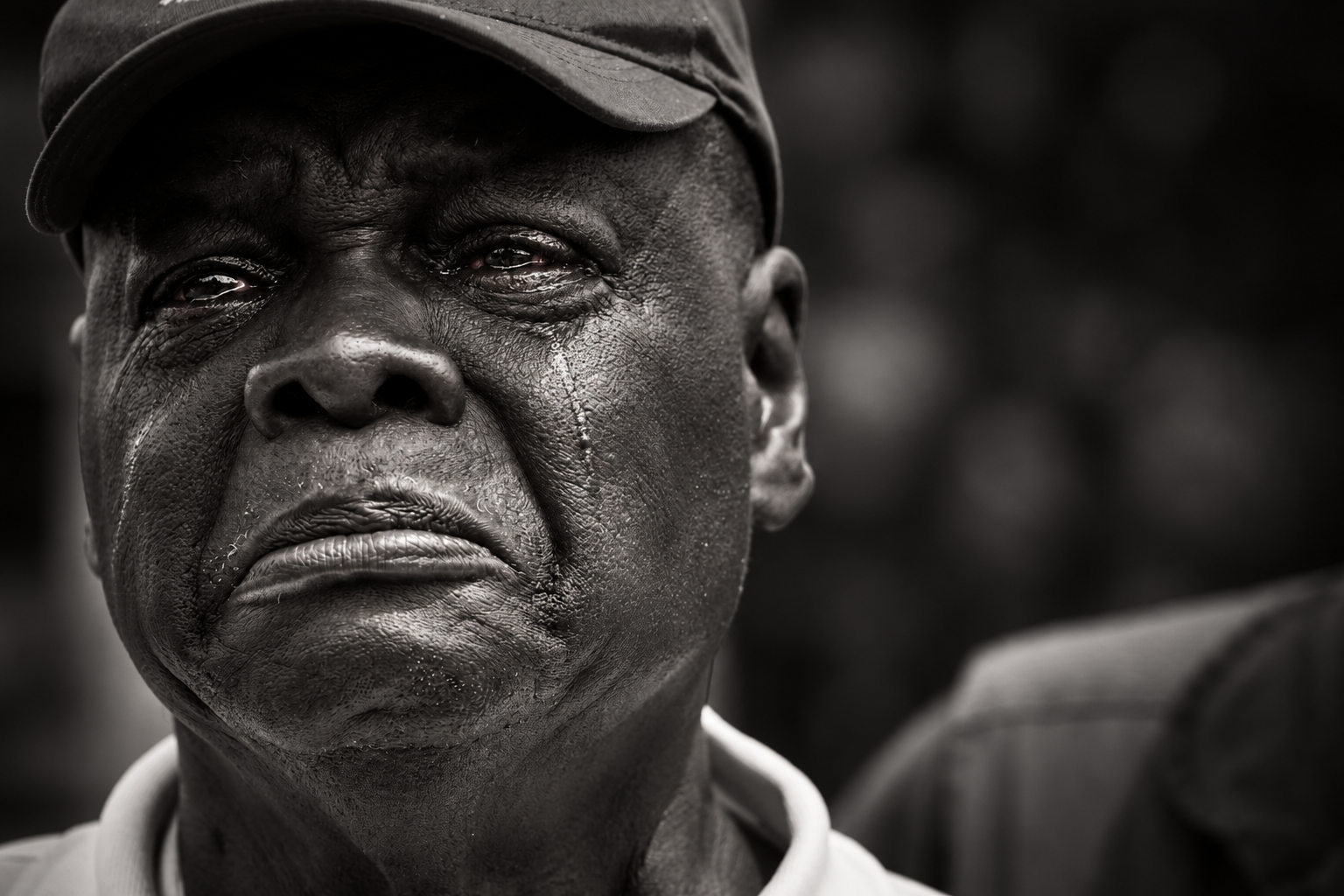
Return to Vietnam was born from a truth we could no longer ignore: too many Vietnam veterans have carried the human cost of war in silence for a lifetime. They returned to families and communities, yet grief, painful memories, and unanswered questions often remained—without the understanding or support they deserved. We do this work because time alone cannot heal every wound, and no veteran should face that burden alone. As this generation grows older, the urgency deepens. Their stories deserve to be heard, their grief honored, and their remaining years met with compassion. They have carried enough. They deserve the chance to lay some of that burden down.
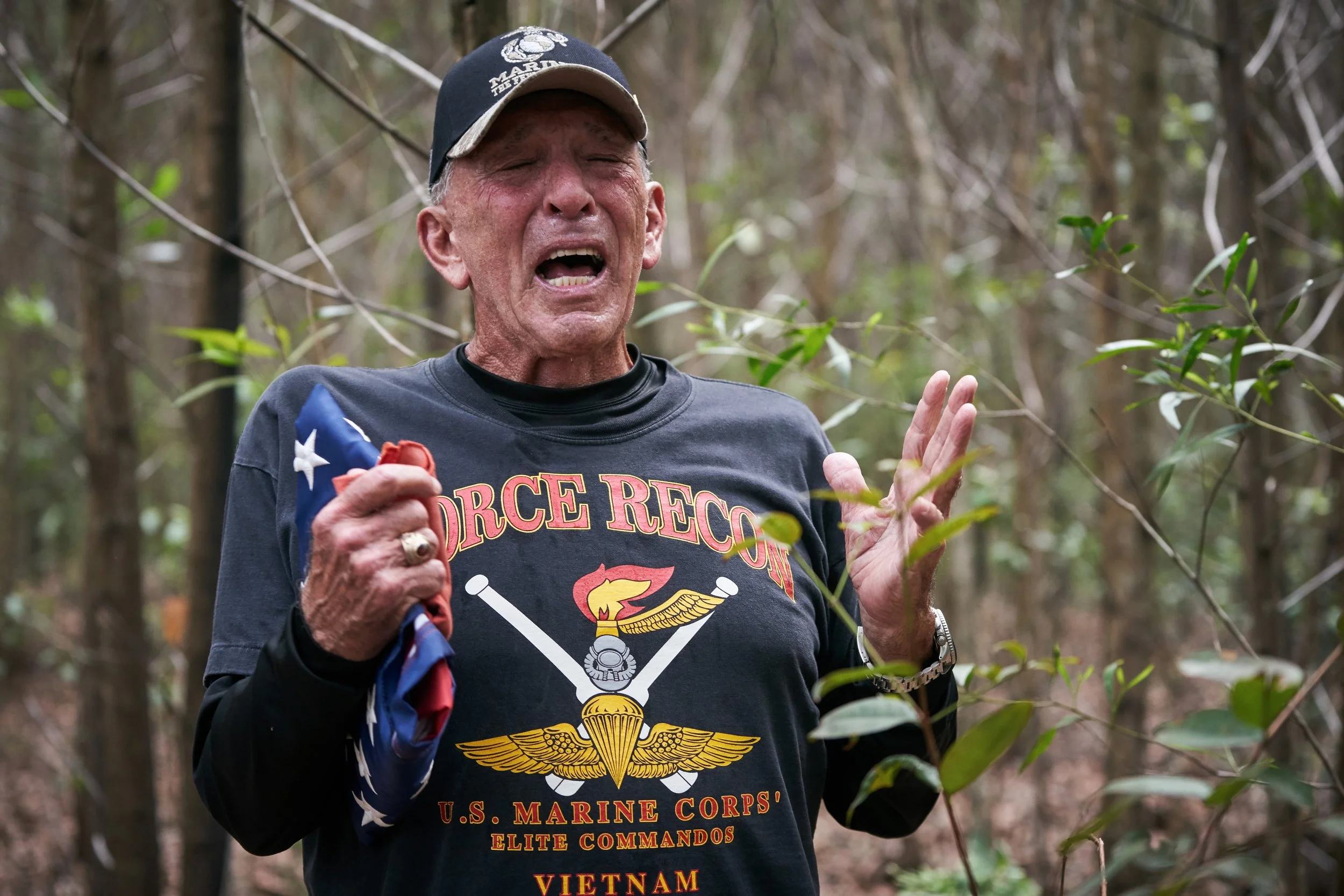
“For me, my return to Vietnam become one of the most powerful pathways toward healing the psychological wounds I carry from war.”
– Joseph GETHERALL, 1966 (USMC)
RETURN TO VIETNAM INITIATIVE
WHO WE SERVE
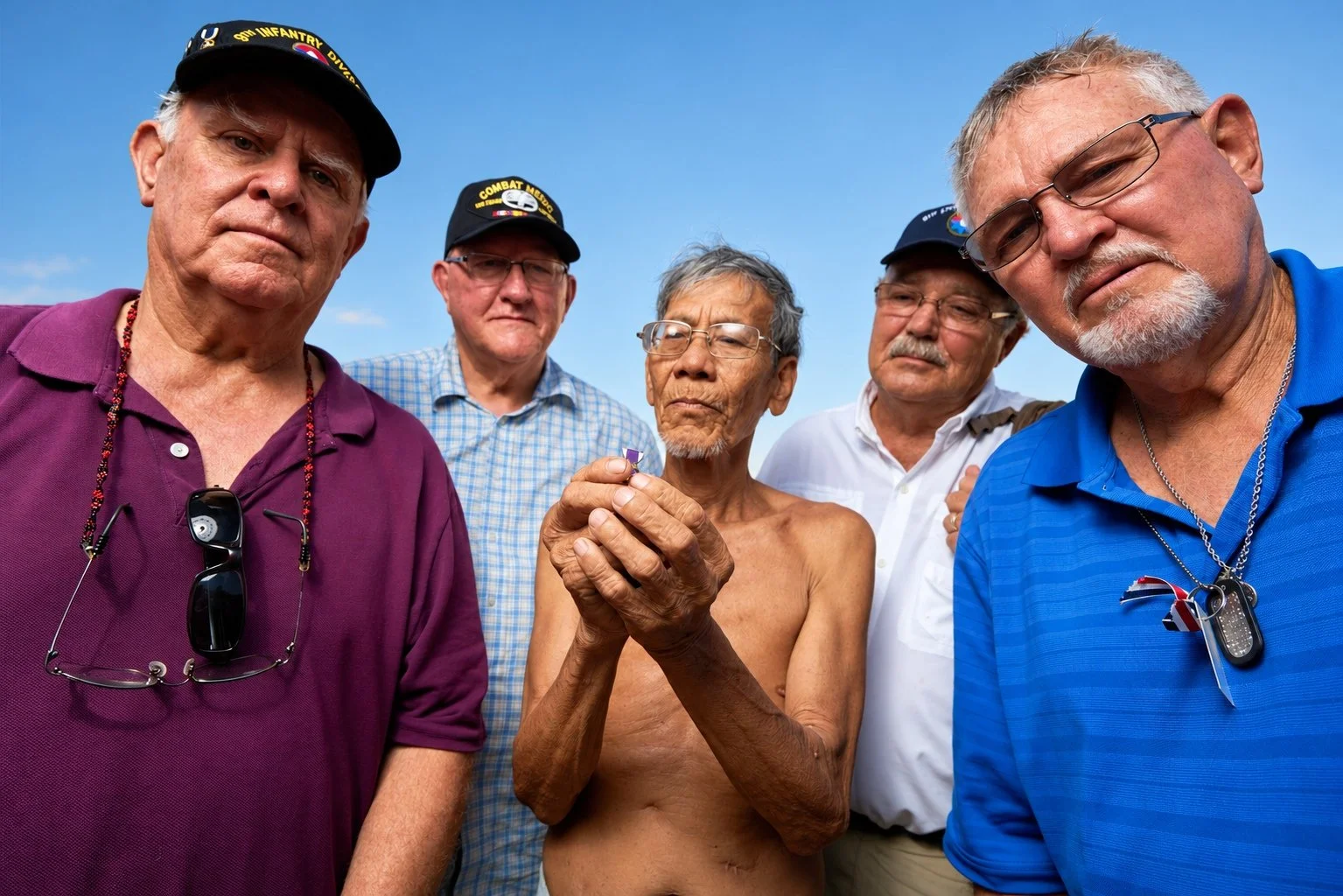
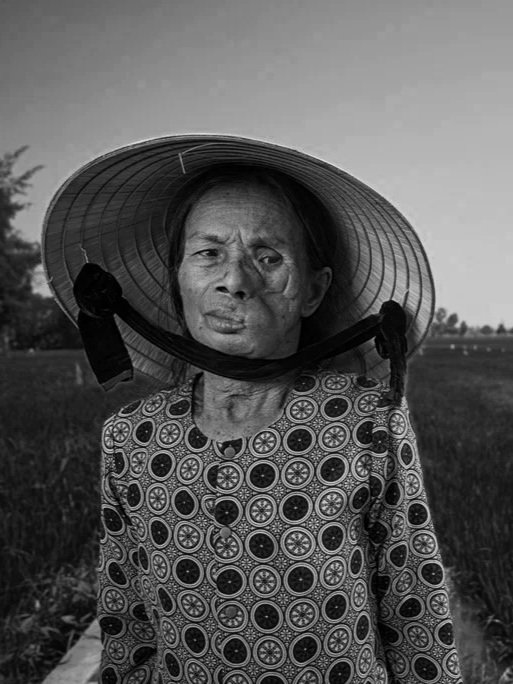
We serve veterans who endured combat in Vietnam—regardless of nation or side—and the families who continue to bear the lasting cost of war. We honor those who fell in battle, remember those we lost after they returned home, and stand beside survivors still carrying the wounds of war in body, mind, and spirit. Across former divisions, we recognize our shared humanity and a common hope for dignity, understanding, reconciliation, and peace.




RETURN TO VIETNAM INITIATIVE
WHAT WE BELIEVE
We believe healing remains possible, even after more than fifty years. Yet it cannot be promised, rushed, or defined for another person. Each veteran must decide what returning means to them. We ask no one to forget, forgive, or surrender their loyalties. Reconciliation begins with respect, honest remembrance, and recognition of our shared humanity. Honoring those who died and caring for those who survived are inseparable responsibilities. Remembering the fallen and seeking peace for the living can belong to the same journey.
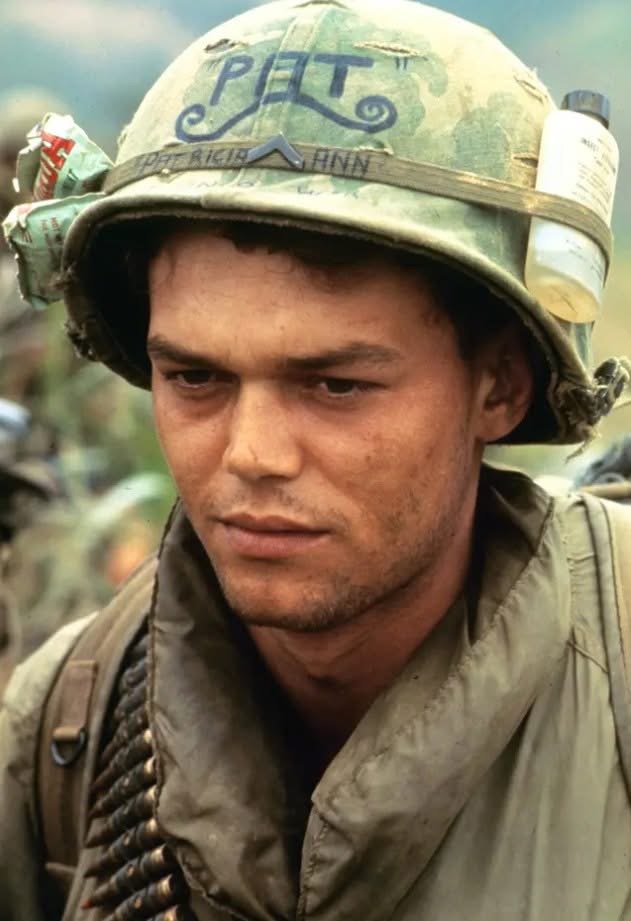
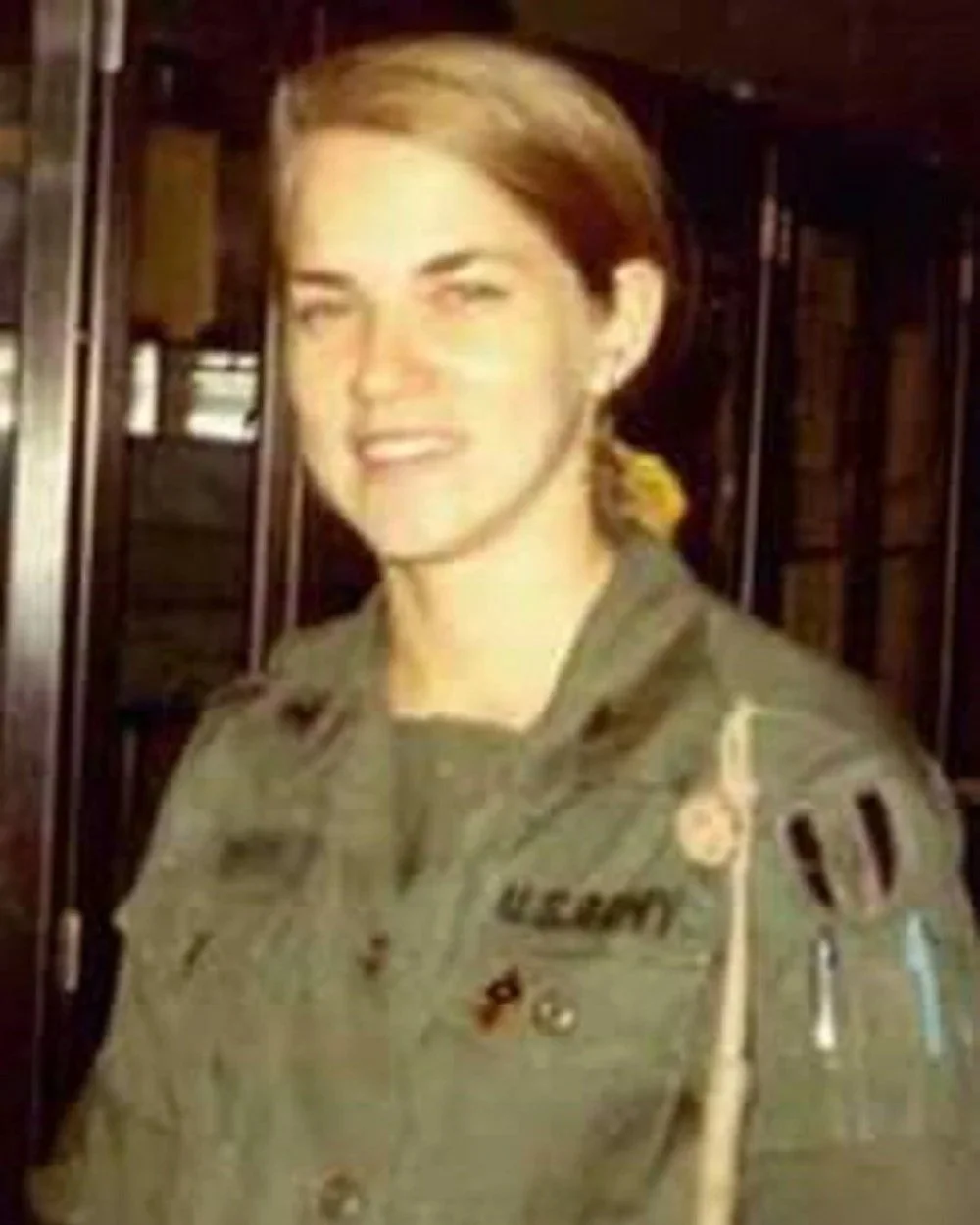


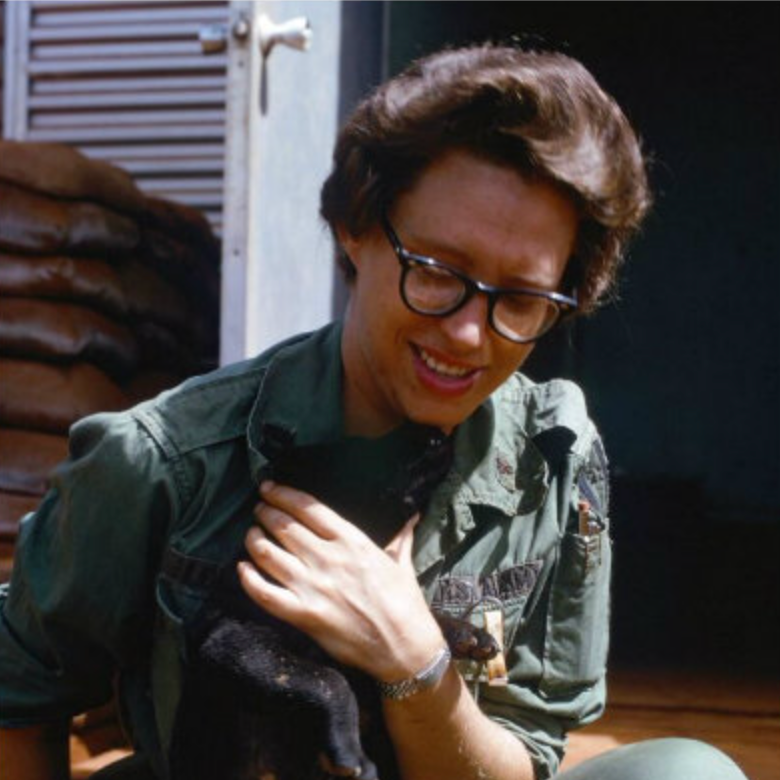


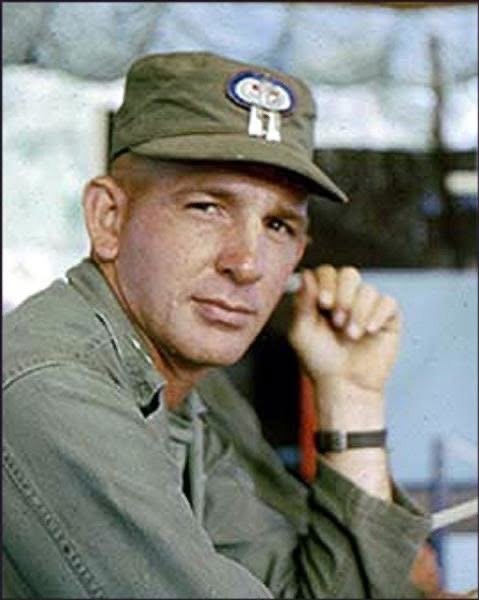
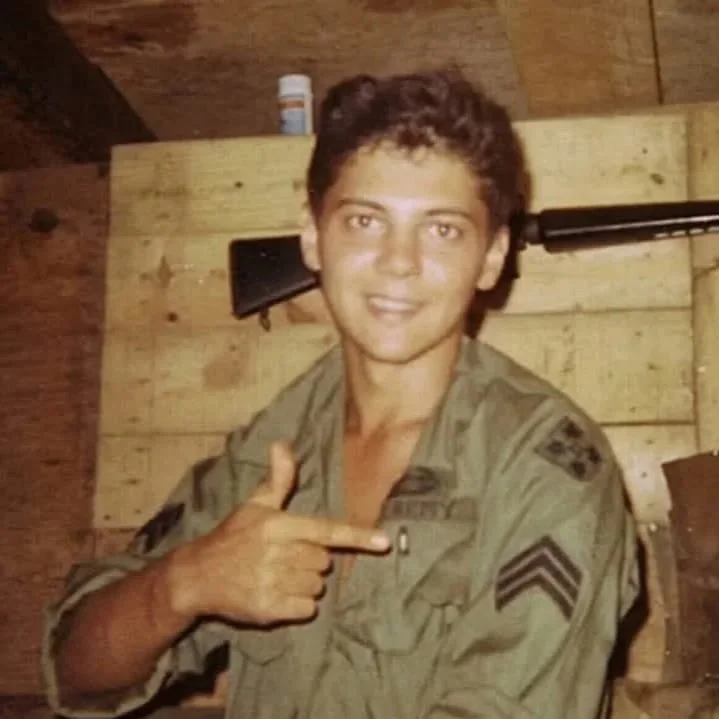


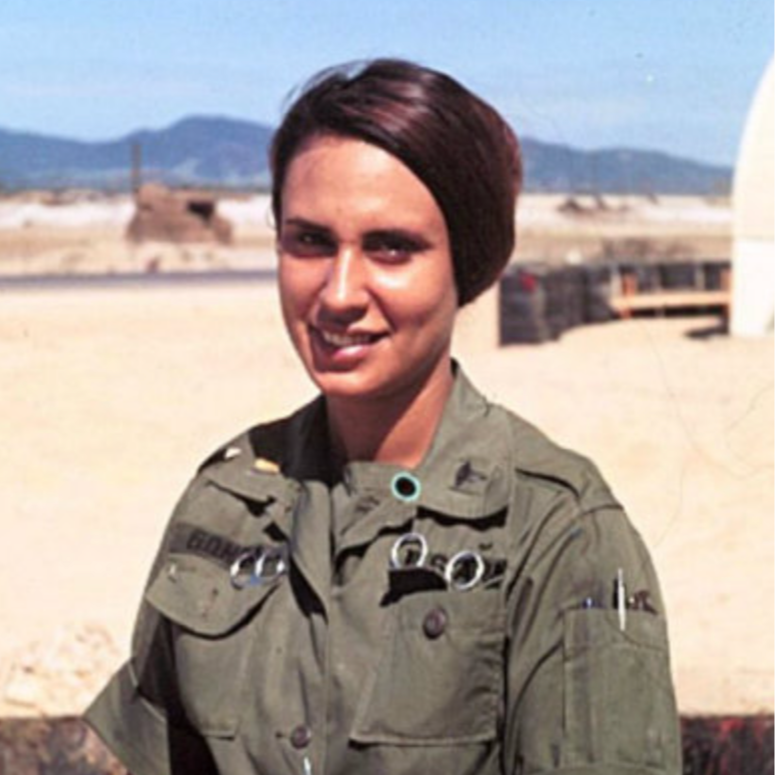
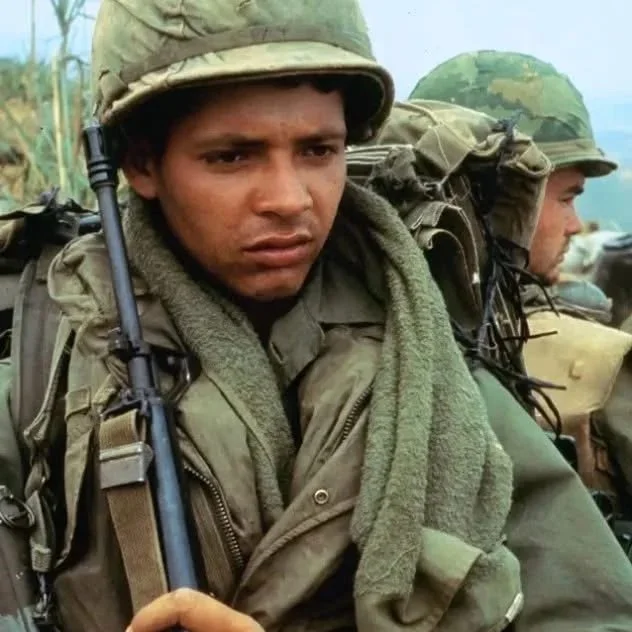
“Behind every loss was a mother, a father, a son, a daughter. Someone deeply loved. Someone whose absence is still felt, whose story deserves to be remembered, and whose suffering should never be forgotten.”
– Gary MAIBACH, US Army (1967)